


.svg)


.jpg)

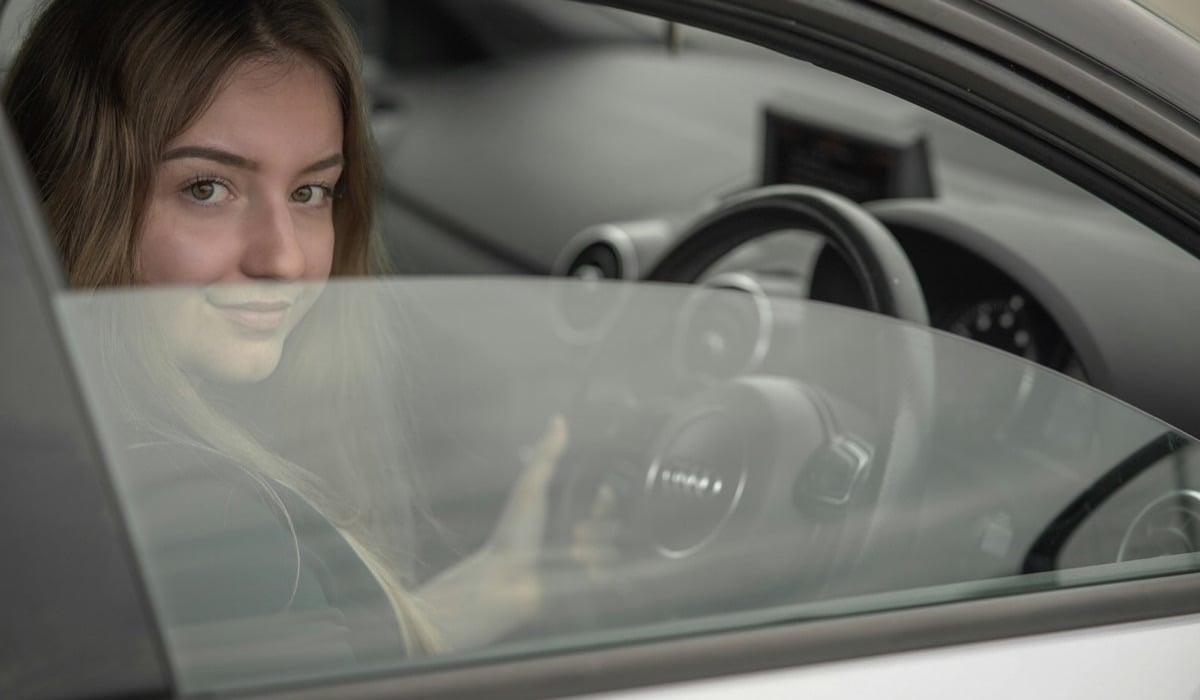
Learning to drive is a big enough challenge without your car working against you. The right learner car makes every lesson easier - light controls, good visibility, and forgiving handling all help you build confidence faster, while the wrong car can turn hill starts and parallel parking into a weekly ordeal. And because most learners go on to buy the car they practise in, choosing something cheap to insure and run matters just as much as how it drives.
In this guide, we round up the best cars for learner drivers in the UK in 2026. Every car here is easy to drive, sits in a low insurance group, and is widely available on the used market at sensible prices. We also cover the manual versus automatic question and explain how insurance works while you are still on a provisional licence.
What Makes a Good Car for Learner Drivers?
The best learner cars share a few common traits. Light, progressive controls are the most important - a clutch with a clear biting point, steering that does not fight you at parking speeds, and pedals that respond predictably. Good all-round visibility is next: large windows, thin pillars, and a boxy shape make judging gaps and reversing far easier. Compact dimensions help too, because a smaller car is simply less intimidating in tight junctions and during manoeuvres.
Running costs matter just as much. Cars in low insurance groups (1 to 10) are dramatically cheaper to cover, which is critical when learner and new driver premiums are already high. If you are not sure how the group system works, our guide to car insurance groups explains it in full. Small engines also mean lower fuel bills and cheaper road tax, and popular models mean cheap, widely available parts.
One legal note before we start: to practise outside of professional lessons, you must hold a provisional licence, display L plates, be insured on the car, and be supervised by someone aged 21 or over who has held a full licence for at least three years. The full rules are on gov.uk.
1. Vauxhall Corsa
The Vauxhall Corsa has been one of the UK's best-selling cars for decades, and it remains one of the most popular driving school cars in the country - which tells you a lot about how easy it is to learn in. The clutch is forgiving, the steering is light, and the driving position gives you a clear view of the road and the corners of the car. If you learn with an instructor, there is a reasonable chance you will be learning in one anyway.
The 1.2-litre petrol versions sit in low insurance groups, with entry-level trims starting from around group 3. Because so many Corsas are sold every year, the used market is enormous, and you can pick up a tidy example from a few thousand pounds. Parts are cheap, every garage in the country knows them inside out, and running costs are about as low as they get for a car of this size.
2. Ford Fiesta
Ford stopped building the Fiesta in 2023, but that has done nothing to dent its popularity as a learner car - it was Britain's best-selling car for years, so the used market is packed with well-priced examples. The Fiesta's real strength is how naturally it drives. The clutch and gearbox are among the smoothest in any small car, the steering is precise, and it feels stable and predictable at every speed, which is exactly what you want while you are still building confidence.
Insurance groups start as low as group 2 for the smaller-engined versions, and fuel economy from the 1.0 and 1.1-litre petrol engines is strong. Because Fiestas were sold in such huge numbers, parts and servicing are cheap, and there is a wide choice of trims and ages to suit almost any budget. For most learners buying their own car to practise in, the Fiesta is one of the safest choices you can make.
3. Toyota Yaris
If you are learning in an automatic, the Toyota Yaris is one of the best options on the market. Every current Yaris is a self-charging hybrid with an automatic gearbox, so there is no clutch to manage at all - you simply select drive and concentrate on the road. The transition between electric and petrol power is smooth, and around town the car often runs quietly on electric power alone, which makes low-speed manoeuvres feel calm and controlled.
The Yaris also brings Toyota's reputation for reliability, which matters when your car needs to start every time a lesson is booked. Fuel economy is outstanding - real-world figures close to 60mpg are normal - and insurance groups are reasonable for a hybrid. It costs more to buy than an equivalent petrol Corsa or Fiesta, but the running costs are hard to beat.
4. Volkswagen Polo
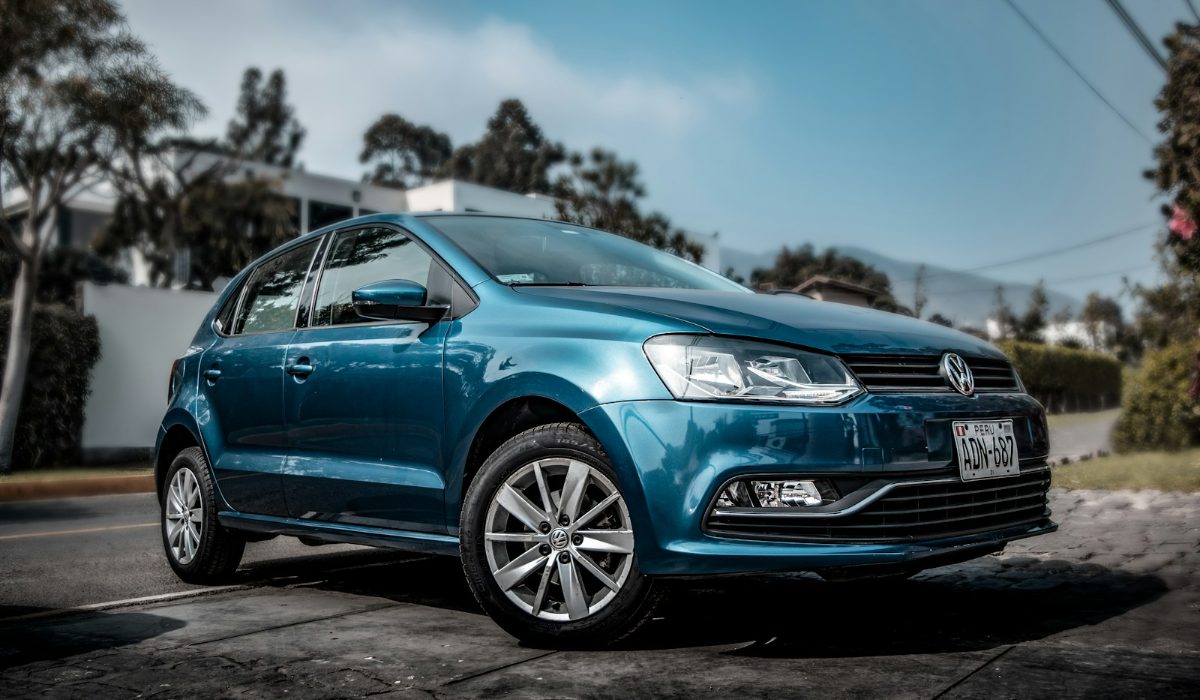
The Volkswagen Polo feels like a bigger car than it is, and that is mostly a compliment. It is composed and settled at speed, quiet on the motorway, and solidly built inside, which makes longer practice drives less tiring. At the same time, it is still a small hatchback with good visibility and light controls, so it never feels like too much car for a learner.
Entry-level versions with the smaller petrol engines sit right at the bottom of the insurance group scale - some trims are as low as group 1, which makes a genuine difference to a learner or new driver premium. The Polo tends to cost slightly more than a Fiesta or Corsa of the same age, but it holds its value well, so you get much of that back when you sell.
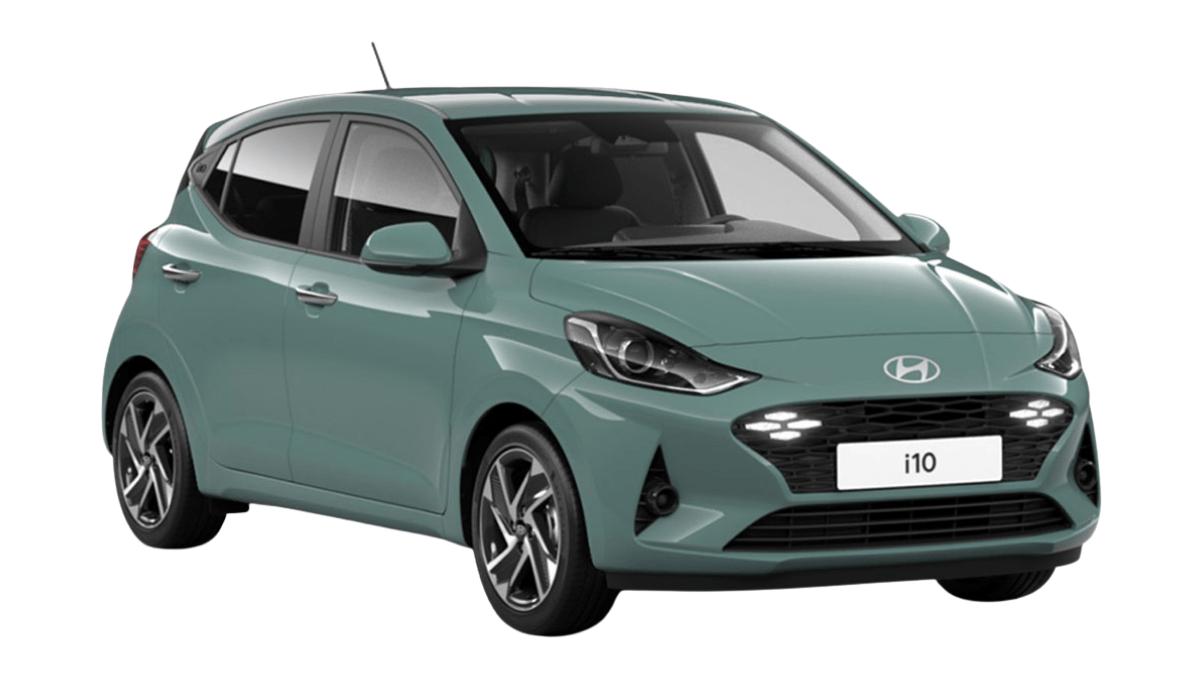
5. Hyundai i10
The Hyundai i10 is the smallest car on this list, and for nervous learners that can be a real advantage. Its tiny footprint makes parallel parking, bay parking, and narrow streets far less stressful, and the tall, boxy shape gives you an excellent view out in every direction. The steering is very light and the 1.0-litre engine is simple and predictable.
It is also one of the cheapest cars in the UK to insure, with most versions sitting in groups 1 to 3, and one of the cheapest to run full stop. Newer examples may still carry the remainder of Hyundai's five-year warranty, which adds peace of mind if you are buying your first car. If your budget is tight and your priority is simply passing your test and getting on the road, the i10 is a brilliant starting point.
Should You Learn in a Manual or an Automatic?
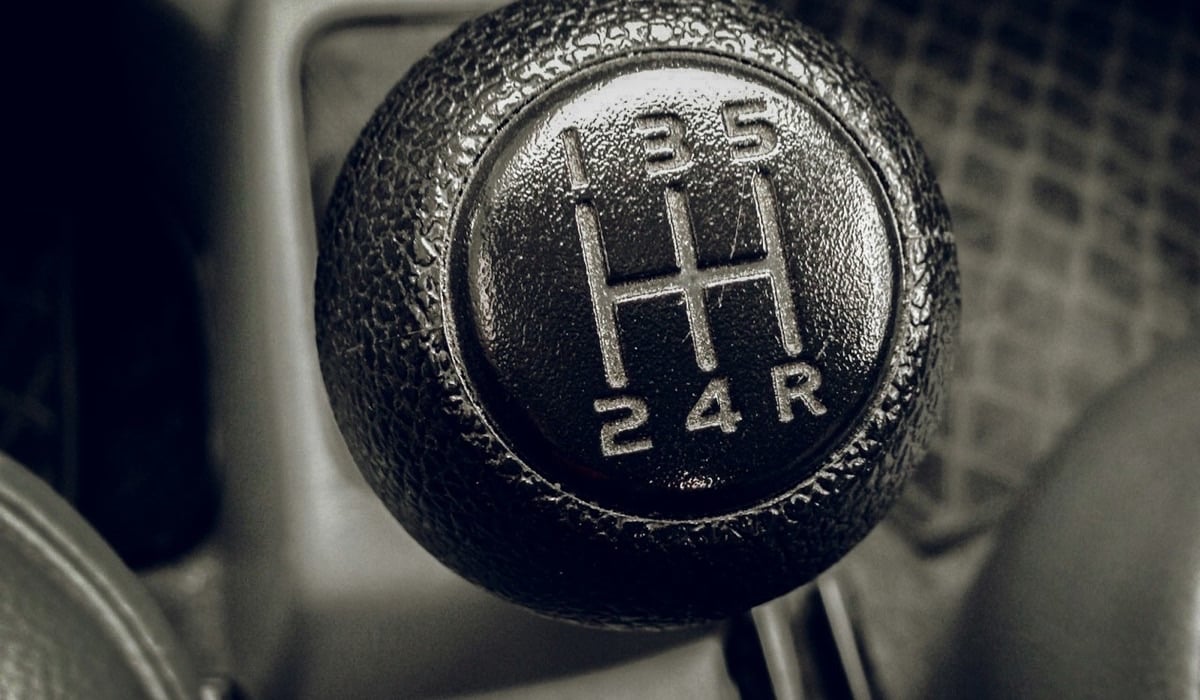
This is one of the biggest decisions a learner faces. Passing your test in a manual car gives you a full licence that covers both manuals and automatics, while passing in an automatic restricts you to automatics only. Historically that made manual the default advice, and it still gives you the most flexibility - especially if you might drive older cars, vans, or hire cars in future.
That said, the case for learning in an automatic gets stronger every year. Automatics are easier to learn in because there is no clutch control to master, and the UK car market is moving steadily towards automatic-only hybrids and electric cars anyway. If you know your future driving will be in an automatic - which is increasingly likely - an automatic-only licence is far less of a limitation than it used to be. Our manual vs automatic guide covers the trade-offs in more detail.
Insuring a Car as a Learner Driver
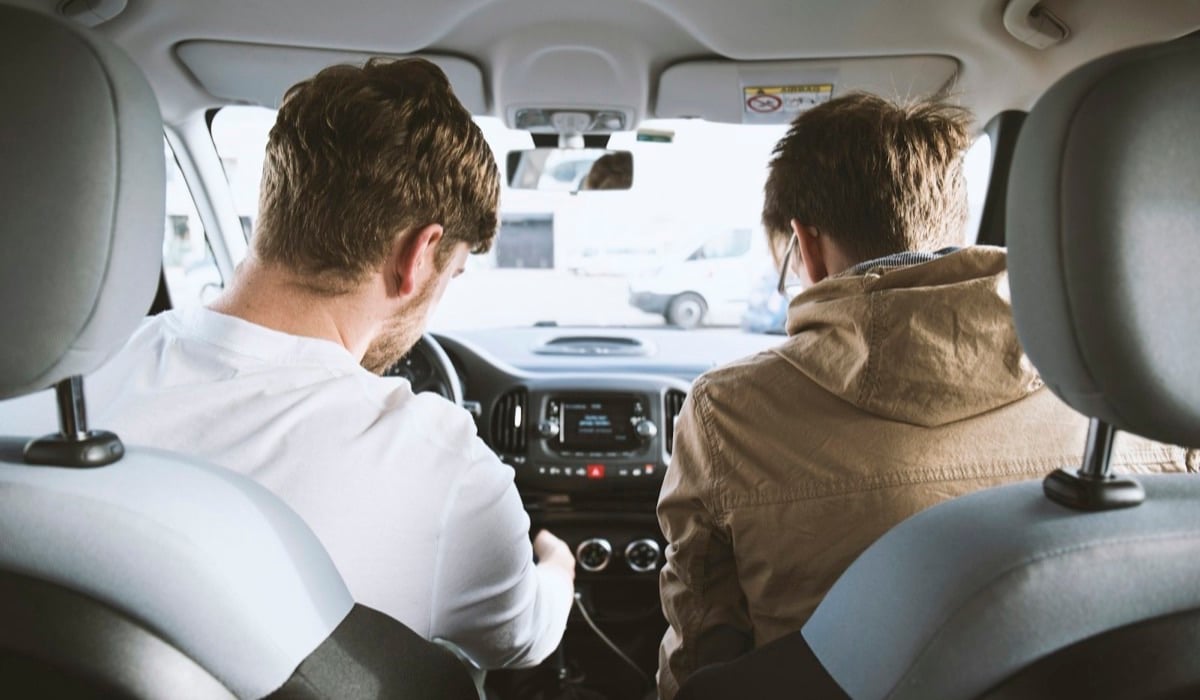
You must be insured on any car you practise in, even on private practice drives with a parent supervising. There are two main routes. The first is being added as a named learner driver on an existing policy - usually a parent's. This is straightforward, but it can push up the main policy's premium, and any claim you make affects the policyholder's no-claims discount.
The second route is standalone learner driver insurance, which covers you on someone else's car (or your own) while you hold a provisional licence. These policies are often sold flexibly by the month, and because learners are always supervised, they are typically much cheaper than full new-driver cover. Be aware that most learner policies end the moment you pass your test - you need full cover in place before you drive home from the test centre.
Once you pass, your premium changes significantly, so it pays to plan ahead. Our guides on how much it costs to insure a new driver and 10 ways to reduce car insurance as a new driver break down what to expect and how to keep the cost down.
Conclusion
The best car for a learner driver is one that makes practice feel easy rather than stressful: light controls, good visibility, a low insurance group, and running costs that will not punish you once you pass. The Vauxhall Corsa and Ford Fiesta are the classic choices for manual learners, the Toyota Yaris is the standout for automatics, and the Volkswagen Polo and Hyundai i10 round out the list for those wanting extra refinement or maximum affordability.
Whichever car you choose, get plenty of practice in between lessons, sort your learner insurance properly, and think ahead to the car you will actually own once you pass. And when test day arrives, our 5 tips to pass your driving test first time is worth a read the night before.