


.svg)


.jpg)

Choosing between a manual vs automatic car is one of the most common decisions UK drivers face - especially first-time buyers and learners. Both transmission types have advantages, and the right option depends on your driving style, location, and long-term plans.
In recent years, automatic cars have become more popular in the UK, particularly with the rise of electric and hybrid vehicles. This guide explains the key differences between manual and automatic cars, helping you decide which suits you best.
What Is a Manual Car?
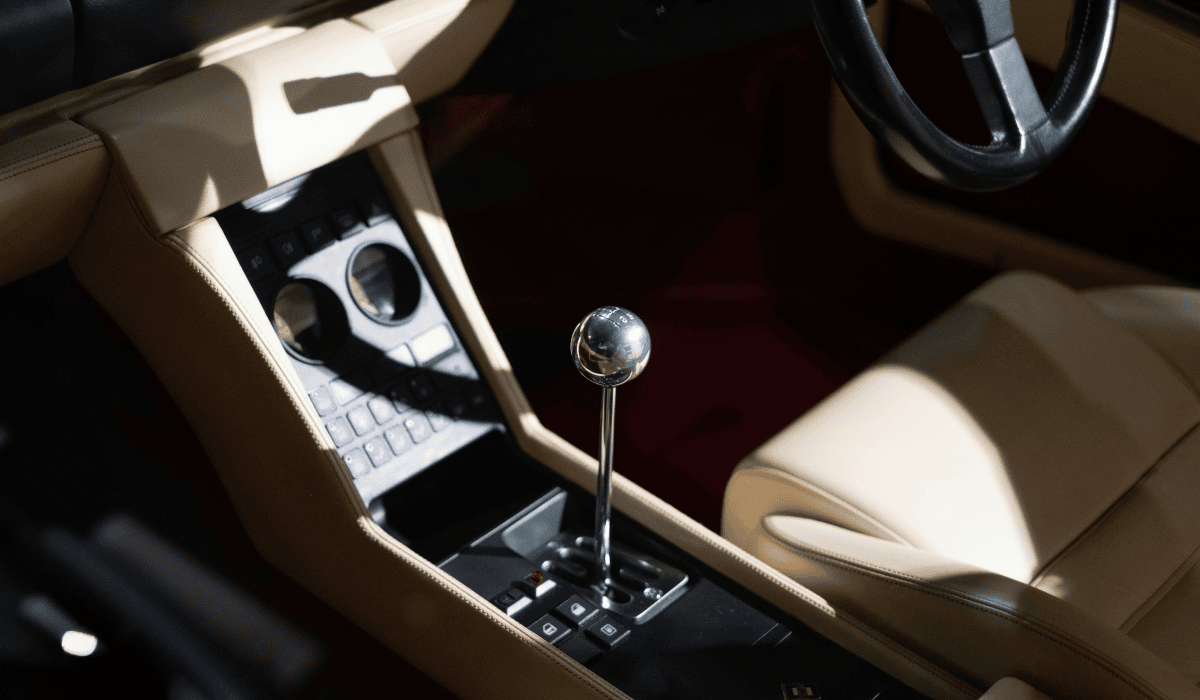
A manual car requires the driver to change gears using a clutch pedal and gear stick. The driver selects the appropriate gear depending on speed and driving conditions.
Manual cars have traditionally been more common in the UK. Many drivers prefer them for the sense of control they offer, particularly on country roads or when driving in hilly areas.
What Is an Automatic Car?
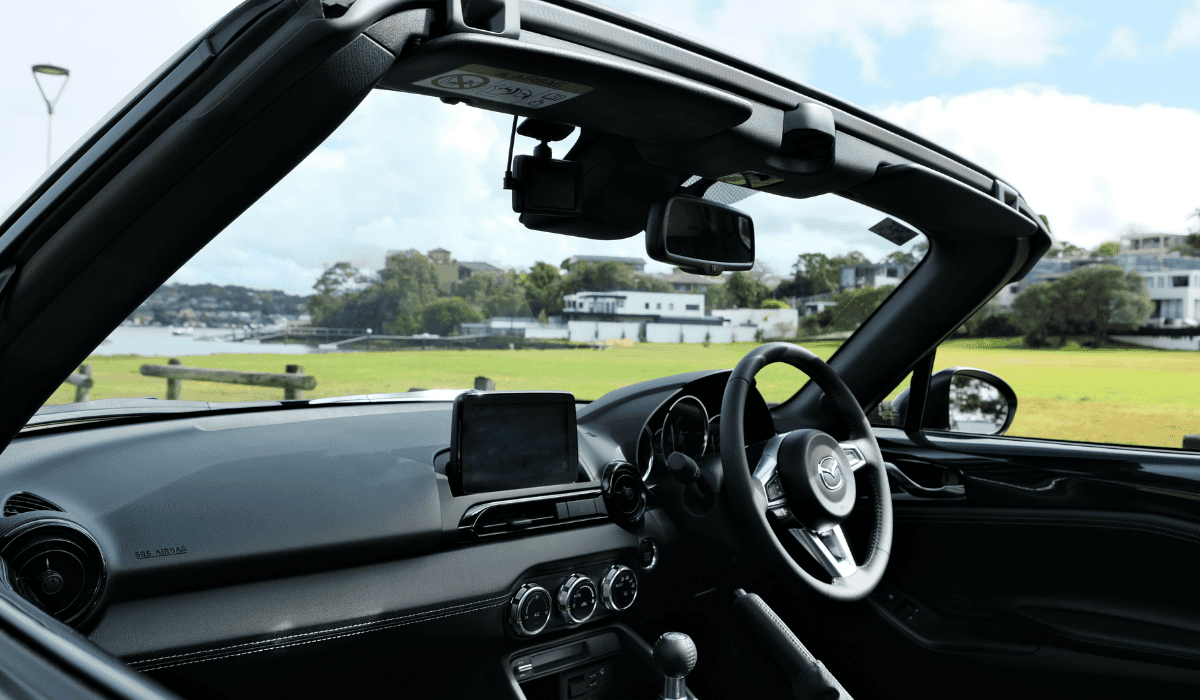
An automatic car changes gears automatically without the need for a clutch pedal. The driver simply selects drive mode and focuses on steering, braking, and acceleration.
Modern automatic transmissions have improved significantly in recent years. They are often smoother, more efficient than older models, and increasingly popular in urban environments where stop-start traffic is common.
Driving Experience: Control vs Convenience
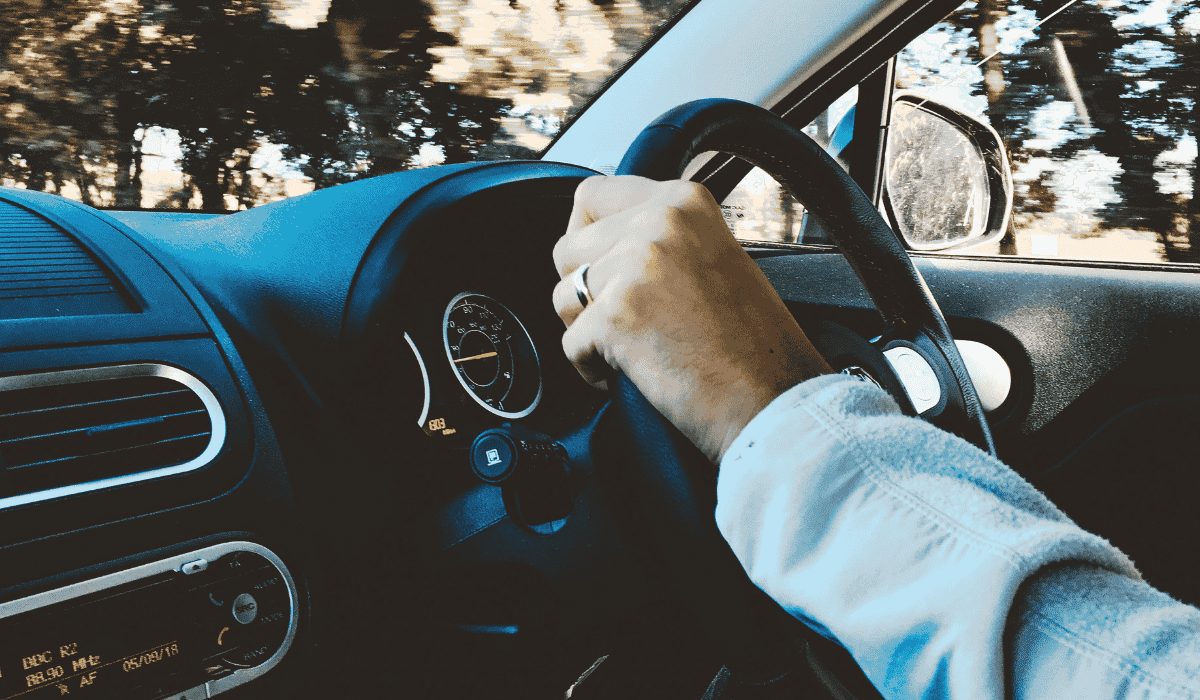
Manual cars offer greater control over gear changes, which some drivers find more engaging. Being able to manually shift gears can be beneficial when overtaking or driving in challenging weather conditions. Some people appreciate this control…
Automatic cars prioritise ease of use. In heavy traffic or city driving, removing the need to constantly operate a clutch can reduce fatigue and make driving less stressful.
Your personal preference and driving environment play a significant role in deciding which feels more comfortable and your choice of car.
Cost, Fuel Efficiency and Maintenance
Historically, manual cars were cheaper to buy and maintain. They often had lower upfront costs and simpler mechanical systems.
However, modern automatic cars have become more competitively priced and efficient. In some cases, fuel consumption differences between manual and automatic vehicles are minimal.
Maintenance costs can vary depending on the specific model and transmission type, so it’s important to research individual vehicles rather than relying solely on transmission type.
.png)
Manual or Automatic for New Drivers?
For learner drivers, the decision can affect licensing flexibility. If you pass your driving test in a manual car, you get a category B license which means you are legally allowed to drive both manual and automatic vehicles. This means you have more choices of cars and aren’t restricted.
If you pass in an automatic car, your licence will restrict you to automatics only. This is an important consideration for those who want maximum flexibility in the future.
Many new drivers choose automatic cars for simplicity, particularly if they plan to drive mainly in cities.
Which Should You Choose?
The choice between manual vs automatic cars depends on lifestyle, budget, and personal comfort. Drivers who value control and wider vehicle choice may prefer manual.
Those who prioritise convenience, smoother city driving, and reduced fatigue may lean toward automatic.
Carefully considering how and where you drive will help determine which transmission suits your needs best.

Understanding the differences between manual and automatic cars allows you to make a more informed decision. Both options offer benefits to different people depending on your priorities and driving habits.
By weighing out your priorities, you can choose the transmission type that best supports your driving experience.