


.svg)


.jpg)


Every car sold in the UK is placed into an insurance group, and that group has a direct impact on how much you pay for your cover. If you have ever wondered why two cars of a similar size can have wildly different insurance quotes, the answer almost always comes down to the group they sit in.
Car insurance groups run on a scale from 1 to 50. Group 1 cars are the cheapest to insure, while group 50 cars are the most expensive. Understanding how this system works can help you make a smarter choice when buying your next car - especially if keeping insurance costs low is a priority. In this guide, we explain everything you need to know about car insurance groups in the UK.

What Are Car Insurance Groups?
Car insurance groups are a rating system used across the UK to categorise every car model based on how much risk it presents to insurers. The scale runs from 1 to 50, and every version of every car - including different engine sizes, trims, and gearbox options - is assigned its own group. A car in group 1 is considered the least risky and cheapest to insure, while a car in group 50 is the most expensive.
The system exists to give insurers a consistent way of pricing cover. Rather than every insurer independently assessing every car, the groups provide a shared baseline. Two people insuring the same car will not necessarily pay the same premium - because factors like age, location, and driving history also matter - but the insurance group gives insurers a starting point based on the car itself.
It is worth knowing that the group is tied to the specific version of a car, not just the model name. For example, a Vauxhall Corsa with a 1.2-litre engine might sit in group 6, while the same Corsa with a more powerful engine and higher trim could be in group 15 or above. Always check the exact version you are looking at, not just the badge on the back.
How Are Car Insurance Groups Decided?
Insurance groups are set by the Group Rating Panel, which is made up of members from the Association of British Insurers (ABI) and Lloyds Market Association (LMA). The panel works closely with Thatcham Research, the UK's motor insurers' research centre based in Berkshire, which carries out the technical testing and analysis behind each rating.
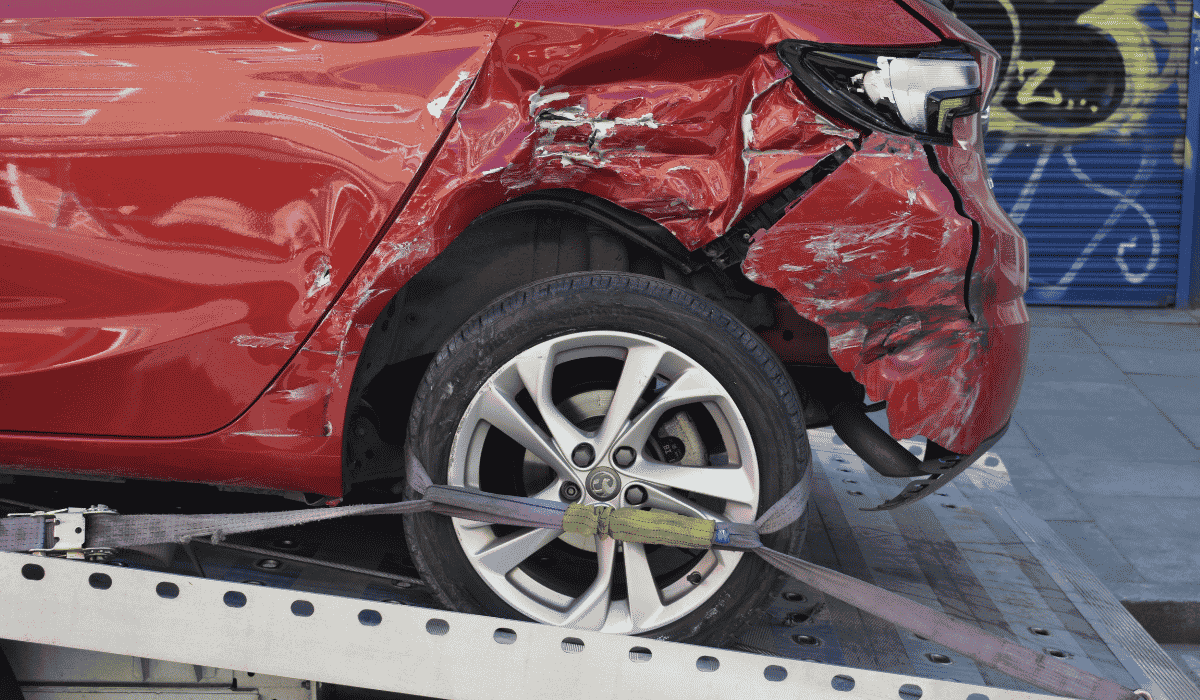
Every new car model is assessed and assigned a group before it goes on sale in the UK. The panel meets monthly to review new models and any significant updates to existing ones. Thatcham tests each car using a standardised low-speed impact test - a 15 km/h front and rear collision designed to simulate a typical car park bump - and then measures how much it costs to return the car to its pre-accident condition.
The results of this testing, combined with data on parts costs, performance, safety features, and security, are used to place the car into one of the 50 groups. The process is thorough and applies to every car on sale, which is why the system is used as a reliable reference point across the entire UK insurance industry.
What Factors Affect Your Car's Insurance Group?
Several factors go into deciding which group a car is placed in. The biggest one is repair cost. Thatcham looks at the price of the 23 most commonly damaged parts - things like bumpers, wings, headlights, and bonnets - and how long a typical repair takes. Cars with cheap, widely available parts tend to sit in lower groups, while cars with specialist panels, bonded aluminium structures, or integrated sensors score higher because even a minor knock can mean an expensive fix.
Vehicle performance is another major factor. Cars with more powerful engines and higher top speeds are considered higher risk, so they tend to be placed in higher groups. A small city car with a 1.0-litre engine will almost always sit lower than a hot hatchback with a 2.0-litre turbo, even if they are built on the same platform.
Safety and security features also play a role. Cars fitted with autonomous emergency braking, lane-keeping assist, and other advanced driver assistance systems can be rated more favourably, as they reduce the likelihood of a claim. Similarly, cars with strong anti-theft systems - such as factory-fitted alarms, immobilisers, and Thatcham-approved locks - may be placed in a lower group than an equivalent car without those features. The overall purchase price of the car matters too, since a more expensive car costs more to replace if it is written off.
Car Insurance Groups at a Glance
The 50 groups are generally split into broad bands that give you a rough idea of what to expect. Groups 1 to 10 cover the cheapest cars to insure - typically small city cars and entry-level hatchbacks with modest engines, low repair costs, and good safety ratings. These are the cars most commonly recommended for new and young drivers.
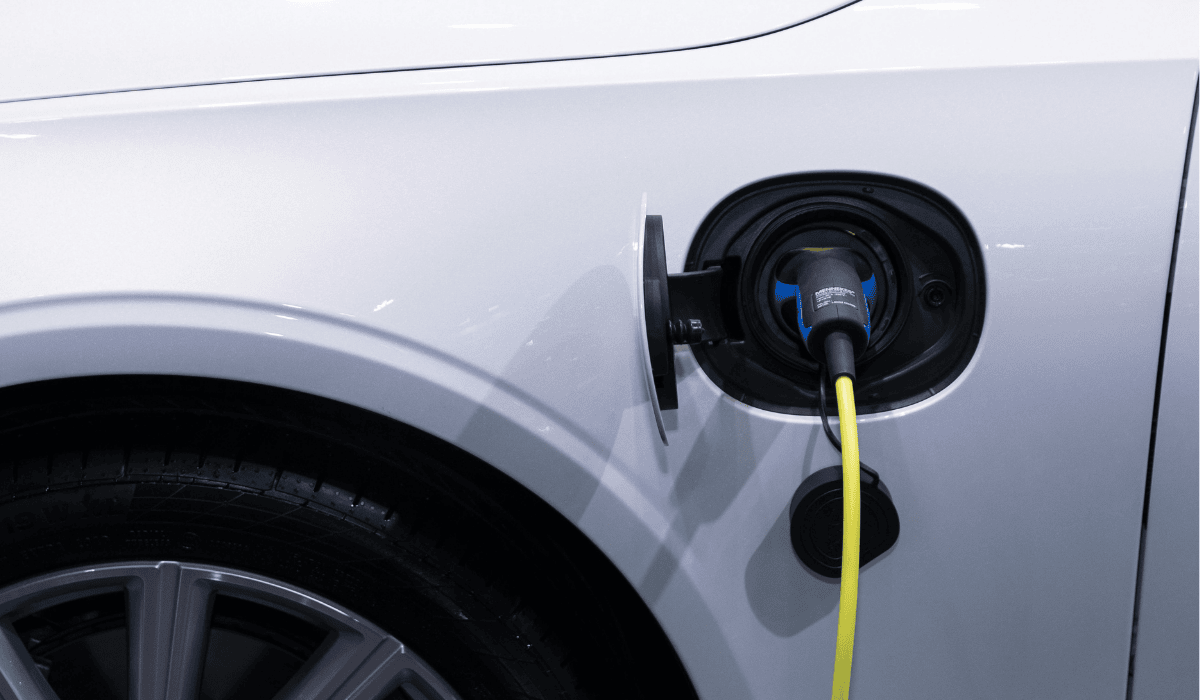
Groups 11 to 20 cover mid-range hatchbacks, small SUVs, and family cars with slightly larger engines or more equipment. Insurance is still reasonable in this range, but you will notice a step up in premiums compared to the lowest groups. Groups 21 to 30 tend to include larger family cars, mid-size SUVs, and some electric vehicles. Mainstream EVs often sit higher than their petrol equivalents because battery and sensor repairs are more expensive.
Groups 31 to 40 cover performance cars, premium models, and larger SUVs. Premiums in this range are noticeably higher, and insurers may apply additional conditions for younger drivers. Groups 41 to 50 are reserved for the most powerful, expensive, and high-risk cars on the market - think sports cars, luxury saloons, and supercars. Insurance at this level can cost several thousand pounds a year even for experienced drivers with a clean record.
Examples of Cars in Each Band
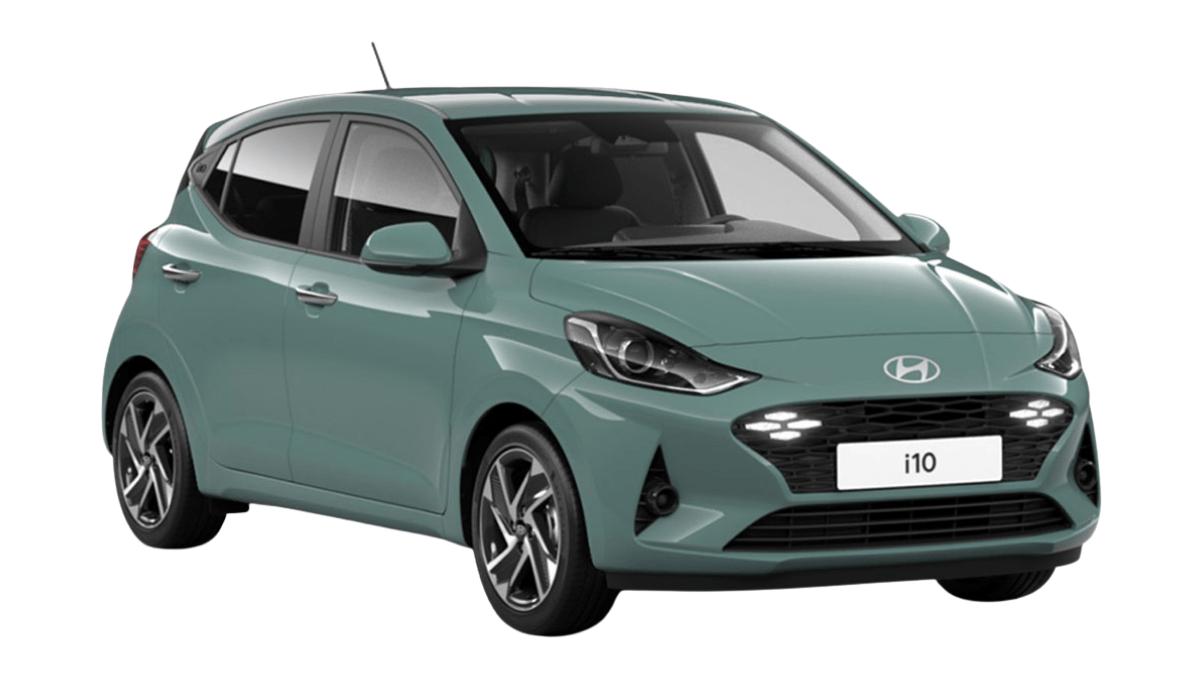
To give you a clearer picture, here are some common examples of cars in each band. In groups 1 to 5, you will find cars like the Hyundai i10, Volkswagen up!, Kia Picanto, SEAT Ibiza, and the entry-level Volkswagen Polo. These are small, practical cars with engines typically under 1.2 litres and low repair costs across the board.
In groups 6 to 15, you will see cars like the Vauxhall Corsa, Ford Fiesta, Renault Clio, and Suzuki Swift in various trims. These are still affordable to insure but come with a bit more power or equipment. Moving up to groups 16 to 25, common models include the Volkswagen Golf, Ford Focus, Toyota Corolla, and some versions of the Nissan Qashqai - cars that are larger, more powerful, or come with higher-spec features.
Above group 25, you start seeing performance variants, premium brands, and electric cars. The Vauxhall Corsa-e, for example, sits in groups 21 to 28 depending on spec, compared to groups 4 to 10 for the petrol Corsa. At the very top end - groups 40 and above - you will find models like the BMW M3, Mercedes-AMG C63, Porsche 911, and high-performance Tesla variants.
How to Check What Insurance Group Your Car Is In
There are several free tools online that let you check your car's insurance group instantly. Websites like Confused.com, MoneySuperMarket, and Compare the Market all offer insurance group checkers where you can enter your registration number and get your car's group within seconds.
These tools pull data directly from the motor insurance database, so they are accurate down to the exact engine size, trim level, and gearbox of your specific car. This is important because, as mentioned earlier, two versions of the same model can sit in very different groups depending on the specification.
If you do not have access to an online checker, your car's insurance group should also be listed on your insurance policy documents. You can contact your insurer directly and ask them to confirm it. If you are shopping for a new car and want to compare insurance groups before you buy, most manufacturer websites and car review sites list the insurance group alongside the other specifications.

How Do Insurance Groups Affect Your Premium?
Your car's insurance group is one of the most important factors in determining how much you pay for cover, but it is not the only one. Insurers use the group as a starting point and then adjust the price based on your personal details - including your age, driving experience, claims history, postcode, annual mileage, and how you use the car.
That said, the difference between groups can be significant. As a rough guide, a 30-year-old driver in a mid-risk postcode with five years of no-claims discount might pay around £400 to £600 more per year moving from a group 1 car to a group 20 car. The gap widens sharply above group 30 and increases even more above group 40. For younger or less experienced drivers, the difference is even more pronounced - the same car in group 5 can cost a 17-year-old three or four times what it costs a driver in their 40s.
This is why checking the insurance group before buying a car is so important, especially for first-time drivers or anyone on a tight budget. A car might look affordable to buy, but if it sits in a high insurance group, the running costs over the year could push it well beyond what you expected.
Tips for Choosing a Car With a Lower Insurance Group
If keeping insurance costs down is a priority, there are a few practical things you can do. The simplest is to choose a car with a smaller engine. Cars with engines under 1.2 litres almost always sit in the lowest insurance groups, and many of them are perfectly capable for everyday driving - especially around town. Avoid performance trims and sporty variants of the same model, as these will sit in a higher group even if the base car is cheap to insure.
Look for cars with good safety ratings and factory-fitted security features. Cars with autonomous emergency braking, multiple airbags, and Thatcham-approved alarms and immobilisers tend to score better in the group rating process. If you are buying used, check that any factory-fitted security features have not been removed or tampered with, as this could affect your cover.
It is also worth considering a telematics (black box) policy if you are a younger driver. These policies monitor your driving behaviour and reward safe driving with lower premiums - often cutting costs by 20 to 40 per cent. And remember, the insurance group is just one part of the equation. Building up a no-claims discount, keeping your annual mileage low, and parking on a driveway or in a garage rather than on the street can all help bring your premium down regardless of the group your car sits in.
What Is the Vehicle Risk Rating?
The insurance group system has been in place for decades, but it is now being gradually replaced by a new model called the Vehicle Risk Rating (VRR). Developed by Thatcham Research, the VRR was officially launched in September 2024 and applies to all new cars registered from 1 August 2024 onwards.
Instead of a single group number from 1 to 50, the VRR gives each car five separate scores - covering performance, damageability, repairability, safety, and security - each rated from 1 (low risk) to 99 (high risk). The idea is that a more detailed breakdown gives insurers a more accurate picture of the risk a car presents, rather than condensing everything into one number. Unlike the old system, where a car's group was fixed at launch, the VRR can be updated over time as real-world claims data comes in.
For now, the two systems are running side by side. Cars registered before August 2024 will keep their existing group ratings, and new cars will receive both a group rating and a VRR during a transition period that is expected to run until early 2027. After that, the VRR is set to become the sole reference for new vehicles. For most drivers, the change will happen in the background - your insurer will use whichever system applies to your car, and you will still see the result reflected in your premium.

Conclusion
Car insurance groups are one of the most important things to understand when buying a car in the UK, especially if you want to keep your overall running costs manageable. The system is straightforward once you know how it works - every car is rated from 1 to 50 based on how much risk it presents, and the lower the group, the cheaper it generally is to insure.
Before you commit to buying any car, take a minute to check its insurance group using one of the free online tools available. It could save you hundreds of pounds a year on your premium - and help you avoid any unpleasant surprises after you have already signed.