


.svg)


.jpg)


Car insurance is one of the biggest expenses a new driver faces in the UK - and for many, it comes as a genuine shock. While the average UK car insurance premium sits at around £600 per year, new and young drivers routinely pay three, four, or even five times that amount. If you have just passed your test or are planning to, understanding how much insurance is likely to cost you and what you can do to bring that figure down is one of the most important financial decisions you will make as a driver.
In this guide, we break down the average cost of insuring a new driver in the UK in 2026, explain why premiums are so high for new drivers, and walk through the most effective ways to reduce what you pay - from choosing the right car to using a telematics policy. Whether you are 17 and about to get behind the wheel for the first time or 30 and have only recently passed, this guide covers what you need to know.
How Much Does New Driver Insurance Cost on Average?
The cost of insuring a new driver in the UK varies enormously depending on your age, location, car, and driving history, but the averages give a useful starting point. For drivers aged 17 to 19, comprehensive car insurance currently costs between £1,800 and £3,000 per year on average. A 17-year-old typically pays the most, with average premiums sitting around £2,800 to £2,900 per year. By 18, that figure drops slightly to around £2,600, and by 19 to 20 it tends to fall into the £1,800 to £2,200 range.
Once you reach 21 to 24, premiums start to come down more noticeably, with averages in the region of £1,000 to £1,500 - still well above the national average, but a significant improvement on those first couple of years. Premiums do not typically drop below £1,000 until around age 30, and they only start to look close to the UK average once you are in your mid-to-late 30s with a clean driving record and several years of no-claims discount behind you.
The good news for 2026 is that new driver premiums have actually fallen compared to the previous year. Data from early 2026 shows that 17-year-olds are now paying around £500 less for their insurance than they were a year ago - a drop of roughly 23 per cent. The market has become more competitive, partly driven by the wider adoption of telematics policies, which we cover in detail later in this guide.
Why Is Insurance So Expensive for New Drivers?
The simple answer is risk. Insurers price their policies based on how likely you are to make a claim, and the statistics for new and young drivers are not flattering. Drivers aged 17 to 24 are involved in a disproportionately high number of accidents compared to more experienced age groups, and the claims they make tend to be more expensive - often involving higher-speed collisions, write-offs, and injuries. From an insurer's perspective, covering a new driver is a significantly higher-risk proposition than covering someone who has been driving safely for 15 years.
It is not just age, though. What really drives the cost up is the combination of being young and having no track record. Insurers have no claims history to assess, no no-claims discount to apply, and no evidence of how you actually drive. You are, statistically speaking, an unknown quantity - and insurers charge accordingly. This is why even a 35-year-old who has just passed their test will pay more than a 35-year-old who has been driving for a decade, although they will still pay less than a 17-year-old new driver because age remains the single biggest factor in the calculation.
Other factors compound the cost. New drivers are more likely to live in urban areas with higher crime and accident rates, more likely to drive at night (a statistically riskier time), and more likely to carry passengers of a similar age - which insurers also view as a risk factor. All of these things feed into the premium calculation, and when you stack them all together, the result is the high figures that new drivers see when they get their first quote.
What Factors Affect Your Premium as a New Driver?
Your age and lack of driving experience are the headline factors, but there are several other things that directly affect how much you pay. The car you drive is one of the most significant. Every car in the UK is assigned an insurance group from 1 to 50, and the higher the group, the more it costs to insure. For a new driver, the difference between choosing a car in group 3 and one in group 20 can easily be £1,000 to £2,000 per year. We have a separate guide on how car finance insurance groups work if you want to understand the system in more detail.
Where you live also plays a major role. Postcodes in large cities - particularly parts of London, Manchester, and Birmingham - tend to attract higher premiums because of higher rates of accidents, theft, and vandalism. Even within the same city, premiums can vary significantly from one postcode to another. Where you park your car overnight matters too - a car kept on a driveway or in a garage will typically cost less to insure than one parked on the street, because it is less exposed to theft and accidental damage.
Your annual mileage, the type of cover you choose (comprehensive, third party fire and theft, or third party only), and your occupation all feed into the calculation as well. Interestingly, comprehensive cover is often cheaper than third party only for new drivers, because insurers assume that drivers who choose third party only may be higher risk. It is always worth getting quotes for all three types to see which comes out cheapest for your specific situation. Your voluntary excess - the amount you agree to pay towards any claim on top of the compulsory excess set by the insurer - also affects the premium. A higher voluntary excess generally means a lower premium, but you need to be confident you could actually afford to pay it if you had to make a claim.
How Premiums Drop Over Time
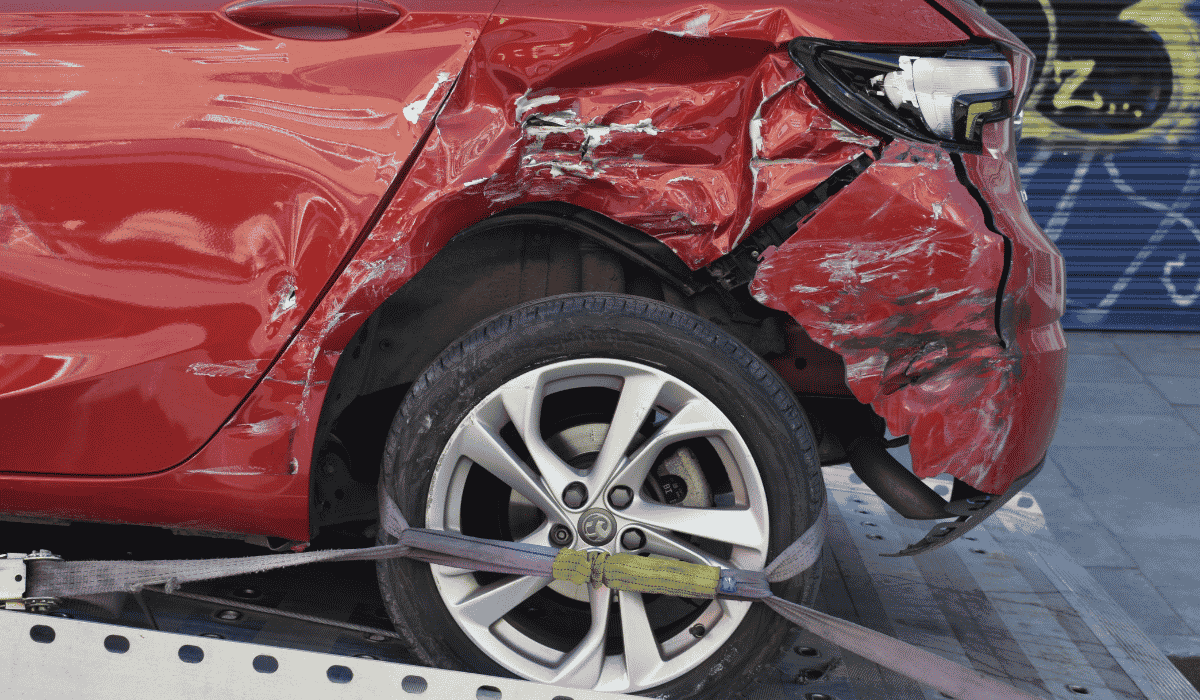
The biggest single factor in bringing your premium down over time is building a no-claims discount. For every full year you are insured without making a claim, you earn one year of no-claims bonus (NCB). Most insurers offer increasing discounts for each year of NCB, typically reaching a maximum discount of around 60 to 70 per cent after five claim-free years. That first claim-free year is the most valuable in percentage terms - many new drivers see their premium drop by 30 to 40 per cent at their first renewal simply by having one year of clean driving behind them.
Age also works in your favour as the years pass. Insurers reassess your risk profile each year, and as you move from 17 to 18, then 19, then into your early 20s, the statistical risk associated with your age group decreases steadily. By the time you are 25, most insurers no longer classify you as a "young driver" and your age stops being such a dominant factor in the calculation. If you have also accumulated several years of no-claims discount by that point, the combined effect can be dramatic - it is not unusual for a 25-year-old with five years of NCB to be paying less than a third of what they paid at 17.
The key takeaway is that the first two to three years are the most expensive, and every claim-free year you complete makes a meaningful difference. Avoiding even small claims during this period - the kind you might be tempted to put through your insurer for a minor bump or scratch - can be worth it in the long run, because protecting your no-claims discount is one of the most effective ways to keep your premiums on a downward trajectory.
What Is Black Box (Telematics) Insurance?
Black box insurance - also known as telematics insurance - is one of the most effective ways for a new driver to reduce their premium, and it has become increasingly popular in recent years. The concept is simple: you agree to have your driving monitored, and in return the insurer prices your cover based on how you actually drive rather than just your age, postcode, and car. If you drive safely, you pay less.
The monitoring is done through a small device fitted to your car, a plug-in gadget that connects to the OBD port, or a smartphone app - depending on the insurer. The system tracks things like your speed, braking smoothness, acceleration, cornering, time of day, and total mileage. This data is used to build a driving score, which you can usually check in an app throughout the year. Safe, consistent driving pushes your score up and your future premiums down.
The savings can be substantial. Data from 2026 shows that telematics policies save new drivers an average of £379 per year compared to standard policies, and around 78 per cent of 17 to 20-year-olds pay less with a black box than without one. For drivers aged 17 to 19 specifically, the difference is even more stark - research has found that 83 per cent of this age group found telematics to be their most affordable option, with a median saving of over £2,000 compared to non-telematics quotes. Consistent safe driving throughout the first year can also lead to renewal savings of 20 to 40 per cent on top of your no-claims discount.
Should You Get a Black Box Policy?
For most new drivers, the answer is yes - the savings are too significant to ignore. But it is worth understanding what you are signing up for. Late-night driving between around 11pm and 5am is consistently the highest-risk factor across all telematics providers, so if you regularly drive at those hours for work or social reasons, your score may be affected. That does not mean you will be penalised for the occasional late drive, but a pattern of frequent late-night driving will pull your score down.
Some drivers worry about having their driving constantly monitored, and that is a fair concern. However, modern telematics systems do not record audio or video - they only collect data on how, when, and where you drive. There is also a practical safety benefit: many telematics devices can detect the sudden impact of a serious collision and automatically alert emergency services with your GPS location if they cannot reach you, which can be genuinely life-saving in a single-vehicle accident on a quiet road.
The main downside is that consistently poor driving could lead to a higher price at renewal or, in extreme cases, policy cancellation. If you are fitted with a physical black box device, there may also be a fee of £100 to £200 if you need to transfer it to a different car. But for the vast majority of new drivers who are simply trying to build up experience and drive sensibly, telematics is one of the smartest financial moves you can make in your first few years on the road.

Cheapest Cars to Insure as a New Driver
Choosing the right car is one of the single biggest things you can do to keep your insurance affordable. Cars in insurance groups 1 to 5 are the cheapest to insure and are ideal for new drivers. These are typically small city cars and entry-level hatchbacks with engines under 1.2 litres, low repair costs, good safety ratings, and relatively low purchase prices.
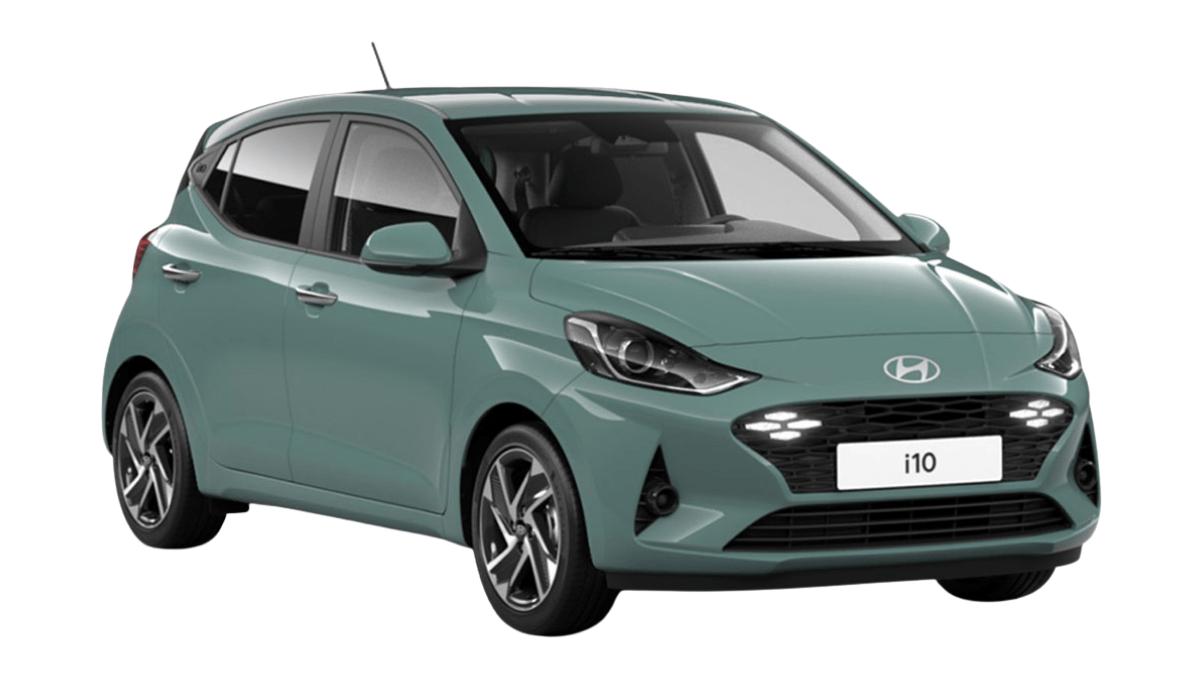
Some of the cheapest cars to insure for new drivers in the UK right now include the Hyundai i10 (group 1 to 3 depending on spec), the Volkswagen up! (group 1 to 2), the Kia Picanto (group 1 to 3), the SEAT Ibiza (group 2 to 6), the Volkswagen Polo in entry-level trim (group 1 to 3), the Renault Clio in base spec (group 3 to 5), and the Vauxhall Corsa with the smaller 1.2-litre engine (group 3 to 6). All of these sit comfortably within the lower end of the insurance group scale and are widely available on the used car market at reasonable prices.
The important thing to remember is that the insurance group is tied to the specific version of the car, not just the model name. A Vauxhall Corsa with a 1.2-litre engine in base trim might sit in group 4, while the same Corsa with a 1.2 turbo in a higher trim could be in group 12 or above. Always check the exact variant before you buy - a quick search on a free insurance group checker tool will tell you exactly where any car sits.
Adding a Named Driver - and the Fronting Warning
Adding an experienced driver to your policy as a named driver - typically a parent or older family member - can reduce your premium by around 10 to 20 per cent. Insurers view the overall risk as lower when the car is shared with someone who has a longer driving history and a clean record. The named driver does not need to drive the car regularly; they just need to be listed on the policy as someone who has permission to drive it occasionally.
However, there is a critical legal line that you must not cross. If the new driver is the person who uses the car most of the time, they must be listed as the main driver on the policy. Listing a parent or older relative as the main driver to get a cheaper quote - when in reality the younger person is the primary user - is called fronting, and it is insurance fraud. It is not a grey area or a technicality; it is a criminal offence.
If an insurer discovers that fronting has taken place - and they do investigate, particularly when claims are made - the policy will be voided, any claim will be rejected, and the driver could face criminal prosecution. It can also make it extremely difficult and expensive to get insurance in the future. The savings from fronting are never worth the risk. If you are the main driver, you must be listed as the main driver, and you should look at legitimate ways to reduce your premium instead.
Other Tips to Bring Your Premium Down
Beyond choosing the right car, using telematics, and adding a named driver, there are several other practical steps that can help. Paying your premium annually rather than in monthly instalments is one of the simplest - monthly payments include interest charges of around 20 to 25 per cent, so paying upfront saves you a meaningful amount over the year. If you cannot afford the full amount at once, some insurers offer interest-free monthly options, so it is worth asking.
Keeping your car secure overnight makes a difference too. Parking on a driveway or in a locked garage rather than on the street will usually reduce your quote, because the car is less exposed to theft and vandalism. Fitting additional security features - such as a steering wheel lock, a tracking device, or an aftermarket alarm - can also help, although the savings vary between insurers.
Shopping around at every renewal is essential. Insurers almost always offer better rates to new customers than to renewing ones, so never just accept the renewal quote you are sent. Use comparison websites to get quotes from multiple providers, and do not be afraid to call insurers directly - some offer discounts that are not available through comparison sites. Finally, consider whether an advanced driving course like Pass Plus is worthwhile. Some insurers offer a discount for completing it, although the availability and size of the discount has become less consistent in recent years, so check with your specific insurer before signing up purely for the insurance saving.
Conclusion
Insuring a new driver in the UK is expensive, but it does not have to be unmanageable. The average 17-year-old pays around £2,800 per year, but by choosing a car in a low insurance group, taking out a telematics policy, adding an experienced named driver, and paying annually rather than monthly, you can realistically bring that figure down by a significant margin. And the good news is that premiums drop steadily with each claim-free year - by the time you reach your mid-20s with a few years of no-claims discount, you will be paying a fraction of what you started with.
The most important thing is to plan ahead. Check the insurance group of any car before you buy it, get quotes from multiple providers before committing, and treat that first year of claim-free driving as an investment in your future premiums. The decisions you make now will directly affect how much you pay for years to come.