



.svg)


.jpg)

For many Muslims in the UK, buying a car comes with a question that goes beyond price and mileage: how do I do this without compromising my faith? Almost every mainstream option on the forecourt - hire purchase, PCP, personal loans, even the deals advertised as 0% - can be built on interest. That leaves a lot of people feeling stuck between signing something they are not comfortable with and putting off a car they genuinely need.
Neither compromise is necessary. There is a properly structured, FCA-regulated way to get a car in the UK without riba, and it is available today. In this guide, we explain how halal car finance actually works, how it differs from the deals that only look interest-free, and how to check that any provider is as Shariah-compliant as it claims to be.

Why the Way You Buy a Car Matters in Islam
The issue at the heart of this topic is riba, meaning interest. In Islam, money is a medium of exchange rather than something with value of its own. Making money from money, by lending it out and charging for its use, is prohibited because nothing of real value has been created or exchanged. For a transaction to be halal, there has to be a tangible asset or service at the centre of it.
Conventional car finance is built on precisely the structure Islam prohibits. A lender hands over money, and you pay back more than you received. The difference is interest, and that makes the transaction riba-based no matter how the paperwork is worded or how competitive the rate looks.
This is why the real question is not whether Muslims can finance a car, but what the finance is built on. The structure determines whether a transaction is permissible - not the wording of the advert.
Option 1: Halal Car Finance
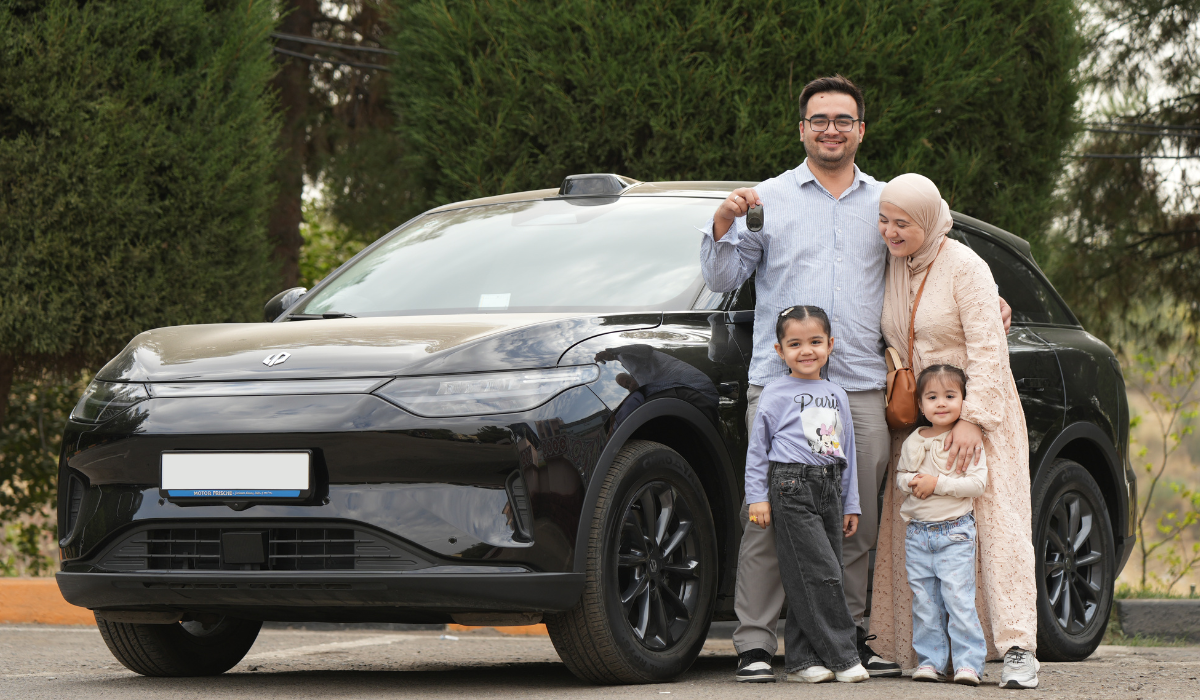
The most established halal car finance structure in the UK is Ijara wa Iqtina, which translates as lease to own. Rather than lending you money to buy a car, the provider buys the car itself and leases it to you. Your monthly payments are rent for the use of a real, tangible asset that the provider owns, and at the end of the term ownership transfers to you. There is no loan and no money being made from money.
Ayan Capital is the UK's only FCA-authorised dedicated halal car finance lender offering finance built on the Ijara wa Iqtina structure. That combination matters more than it might sound. Shariah compliance and FCA regulation are two entirely separate things: one means the product has been structured and audited against Islamic principles, the other means you have the full protection of UK consumer credit regulation behind you. Plenty of arrangements offer one or the other. Ayan is built to give you both.
Ayan's model is audited by independent Shariah boards: Alhamd Advisory and Amanah Advisors, against AAOIFI standards - the internationally recognised benchmark for Islamic financial institutions. Ayan Capital Ltd is authorised and regulated by the Financial Conduct Authority under firm reference number 1022208, which you can verify yourself on the FCA Register in under a minute.
How It Works in Practice
Once your application is approved and you have chosen your car, Ayan purchases the vehicle of your choice and becomes its legal owner for the duration of the agreement. You then pay a fixed monthly rental for the use of it. Each payment covers the rent, which is how Ayan earns its revenue, and moves you along the path to owning the car outright.
At the end of the term, a separate Sale and Transfer agreement is signed and legal ownership of the vehicle passes to you.
In day-to-day terms it feels much like any other car finance agreement. You know what you are paying each month, the amount does not move, and there are no hidden fees. If you want to settle early, you can, and your rental charges are reduced accordingly.
Option 2: Buying a Car Outright
If you have the savings available, buying a car outright with cash is the other clearly halal route. There is no agreement to scrutinise and no monthly commitment, and paying cash often gives you a stronger hand when negotiating with a seller.
The drawback is time. Saving the full cost of a reliable car can take years, and circumstances rarely wait - a new job, a growing family, or a car that has finally failed its MOT. There is also a hidden trade-off in stretching to buy the cheapest car you can afford outright, because an older vehicle with a significant repair bill can end up costing more over a couple of years than a newer one financed sensibly.
If you are saving towards a car, keep that money clean too. A Shariah-compliant savings account pays an expected profit rate rather than interest, so your deposit grows without riba while you build it up.
Why 0% APR Is Not the Same as Halal Finance
This is the one that catches people out most often. A 0% APR deal looks like it should be permissible - no interest, nothing extra to pay. But the structure underneath it can still be a conventional agreement, as the dealer has simply built its profit into the price of the car instead of charging it as a visible rate.
From a Shariah perspective, the key is not how much you pay, but how the agreement is structured. Islamic finance forbids riba (interest), but allows profits earned from transparent trading.
Therefore whatever it is labelled as, doesn’t really make a difference. What really matter is the substance inside the agreements and the intentions.
With a company that follows Islamic principles and has their contracts audited by Shariah scholars, you also have the additional peace of mind that everything is halal.
A transaction is halal because of how it is structured, not because the interest line happens to read zero. The same applies to hire purchase, PCP, and personal loans: all are interest-bearing lending arrangements.
How to Check a Provider Is Genuinely Halal
Not everything marketed as Islamic or interest-free stands up to inspection, so it is worth knowing what to look for. Start with Shariah governance. A genuine provider will have its products reviewed and certified by qualified scholars and will name them openly. If a company cannot tell you who audits its model or against which standards, treat that as a warning sign. Ayan names its board, Alhamd Advisory, and the standard it is audited against, AAOIFI.
Next, check regulation. Any firm offering car finance in the UK must be authorised by the Financial Conduct Authority, and the register is public and free to search. Being Shariah-compliant does not automatically mean a provider is regulated, and being regulated does not make a product halal. You want both.
Finally, ask about the structure itself. Who buys the car? Who owns it during the agreement? When does ownership transfer, and where does the provider's profit come from? A genuine Ijara provider will answer all of that clearly, because the structure is the entire point.
Applying for Halal Car Finance With Ayan
The process is designed to be quick and to give you certainty before you start looking at cars. You apply online and see your personalised finance plan, which tells you what you can afford and what your monthly rental would be. The initial application uses a soft credit search, so checking your eligibility leaves no mark on your credit file and does not affect your score.
Once you know your budget, you find your car. You choose it from any approved, reputable UK dealership in line with your approval terms, so you are not restricted to a narrow list of partners. You add the car's details to your application, provide the dealership's bank details, and Ayan pays the dealer directly.
From there it is simply a case of collecting the car, and it is possible to be approved and collect on the same day. No interest is paid at any stage - you pay an agreed rental-profit charge instead - the monthly amount is fixed from the outset, and the total cost is clear before you commit to anything.
Choosing a Car That Fits Your Means
Halal finance is about how you pay, but getting genuinely good value depends on what you buy. For most people a used car around three to five years old is the sweet spot, because the steepest depreciation has already happened while the car is still young enough to be reliable and affordable to maintain.
Be realistic about the full cost of running it rather than just the monthly payment. Insurance, fuel, road tax, servicing, and MOT all add up, and a car that looks comfortable on paper can quietly become a strain. Islam encourages moderation and living within your means, and that principle applies to the car on the driveway as much as to the agreement behind it. A sensible, reliable car you can comfortably afford is a better outcome than an impressive one that stretches your household every month.
Conclusion
Getting a car the halal way in the UK is entirely achievable. If you have the savings, buying outright is the simplest route. If you need to spread the cost, Ijara gives you a car now with fixed monthly payments, built on the lease of a real asset rather than the lending of money - which is exactly what keeps it free of riba.
What matters is the structure, and that is where Ayan is different: an Ijara model audited by an independent Shariah board against AAOIFI standards, delivered by a lender authorised and regulated by the FCA. If you would like to see what you could be approved for, the application takes a few minutes and uses a soft search, so it will not affect your credit score. For a fuller look at how the finance works, our ultimate guide to halal car finance in the UK is the natural next read.
No interest is paid - you pay an agreed rental-profit charge. For easy comparison, we also show an APR-equivalent. Rates from 7.9% APR-equivalent. Representative 11.9% APR. Subject to status and eligibility. Ayan Capital LTD is authorised and regulated by the Financial Conduct Authority (Firm Reference Number: 1022208).
.webp)
.png)