



.svg)


.jpg)


For a long time, buying a car on finance meant one thing: taking out an interest-based loan. For the millions of Muslims in the UK who avoid riba (interest) as a matter of faith, that was a non-starter. The choice was simple but frustrating: pay the full price in cash, or don’t buy at all.
That’s changing. Halal car finance has arrived in the UK, and it’s growing fast. But there’s still a lot of confusion around how it actually works, whether it’s genuinely Shariah-compliant, and how it compares to a traditional car loan or PCP deal. This guide answers all of that.

What Is Halal Car Finance?
Halal car finance is a way of funding a vehicle purchase without interest. Instead of lending you money and charging interest on top - the way a bank loan or PCP works - a halal finance provider buys the car on your behalf and then lets you pay for it over time through a structure that complies with Islamic law.
The word "halal" simply means permissible in Arabic. In finance, it refers to transactions that avoid riba (interest), gharar (excessive uncertainty), and maysir (gambling). These aren't obscure technicalities - they're foundational principles that shape how money, risk, and ownership are handled in Islamic finance.
The key distinction is this: in halal car finance, you're never borrowing money. There's no loan. Instead, there's a genuine asset transaction - the provider buys the car, you pay them back through rent or instalments, and ownership transfers to you at the end.
Why Conventional Car Finance Isn't Halal
Traditional car finance in the UK - whether it's a hire purchase (HP), personal contract purchase (PCP), or a personal loan, is built on interest. The lender gives you a sum of money, and you repay it with interest added on top. That interest is the lender's profit.
Under Islamic principles, this is considered riba, regardless of whether the rate is high or low. It's not about the amount, it's about the structure. Earning money simply by lending money, without sharing in any risk or tying the return to a real asset, is what Islamic law prohibits.
This is why many Muslim families in the UK have historically avoided car finance entirely, even when it would have been the more practical option. It's not a lack of awareness, it's a conscious choice rooted in faith.
How Does Halal Car Finance Work in the UK?
Most halal car finance in the UK uses a structure called Ijara wa Iqtina, which translates roughly to “lease and ownership.” Here’s how it works in practice:
- You choose your car from any dealership, new or used.
- The finance provider purchases the vehicle directly from the dealer. They own it.
- You pay a monthly rental to use the car over an agreed term (typically 1 to 5 years).
- At the end of the agreement, ownership of the car transfers to you.
There is no loan involved. No interest is charged at any stage. Instead, the provider earns a rental-profit charge, an agreed amount built into your monthly payments that compensates them for purchasing the asset and bearing the risk of ownership.
This structure means that every payment you make is tied to a real asset. You're not paying for the privilege of borrowing money, you're paying rent on a car that will eventually become yours.
How Ayan structures it: Ayan uses Ijara wa Iqtina, independently audited against AAOIFI standards by Alhamd Advisory. Ayan purchases the car, you pay monthly rent, and ownership transfers at the end. Rates start from 7.9% APR-equivalent.
Why Does Halal Car Finance Show an APR?
This is one of the most common questions and one of the biggest sources of doubt. You see "APR" on a halal finance product and immediately think: isn't that interest? It isn't.
APR (Annual Percentage Rate) is a standardised measure that the FCA requires all finance providers to display, including halal ones. It exists so that consumers can compare the total cost of different finance products on a level playing field. For easy comparison, halal providers show an APR-equivalent, this represents the annualised total charges, not an interest rate.
Think of it this way: if you rented a flat, your landlord would make a profit on the rent, but nobody would call that interest. The same logic applies here. The provider buys an asset, you pay rent to use it, and the provider earns a return on something they actually own. That's trade, not lending. The reason reputable halal providers show the APR-equivalent openly is precisely because they want you to be able to compare. Hiding the total cost would be the opposite of transparent, and transparency is a core principle of Islamic finance.
Is 0% APR the Same as Halal Finance?
No - and this is a common misconception worth addressing directly. 0% APR finance deals are marketed as interest-free, but the underlying structure is still a conventional lending arrangement. The profit is typically built into the car's selling price upfront, so while you don't see a separate interest charge, the cost is still embedded in what you're paying.
Halal car finance is structurally different. It uses arrangements like Murabaha (cost-plus sale) or Ijara (lease-to-own) where the finance provider buys the asset and sells or leases it to you at a disclosed markup. The distinction is in the process, not just the headline rate.
So while both might appear "interest-free" on the surface, only a genuinely Shariah-compliant product avoids riba in its structure. The rate is not what makes something halal: the process is.
Who Is Halal Car Finance For?
The obvious answer is Muslim buyers who want to avoid interest. But halal car finance is increasingly attracting a broader audience, and for good reason.
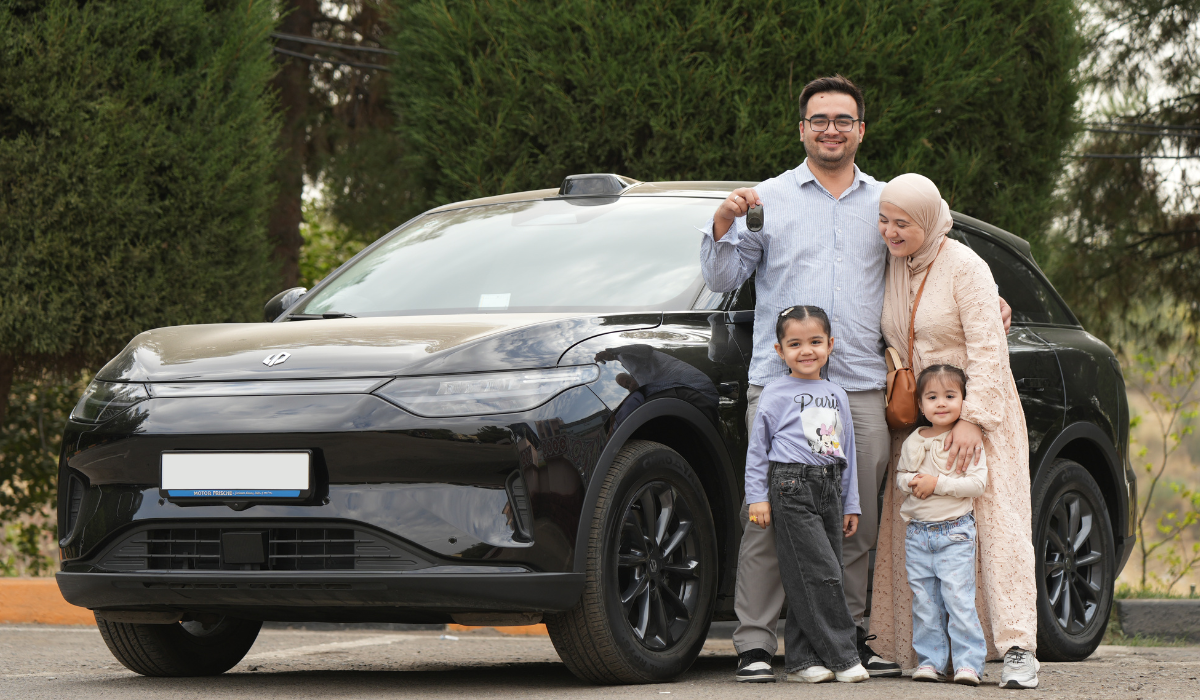
Muslim individuals and families make up the core audience. For many, this is the first time they've had access to a genuine, FCA-regulated alternative to interest-based car finance. That matters - it means they can finally get the car they need without compromising on their values. Private hire and rideshare drivers, including those working with Uber, Bolt, and FreeNow, are another major group. Many are Muslim and need vehicles that meet licensing requirements, and halal providers that offer flexible weekly payments and support for PCO-licensed vehicles fill a real gap in this market.
Ethical and conscious buyers, including non-Muslims, are also drawn to the model. The transparency of halal finance: no hidden fees, no compounding interest, and clear terms from day one , appeals to anyone who's been frustrated by the complexity of traditional car finance. Small businesses and fleet operators looking for Shariah-compliant vehicle financing for company use or fleet expansion also have options through halal providers.

Who Can Apply for Halal Car Finance?
Eligibility for halal car finance is broadly similar to conventional finance. Providers will typically look at:
- Age: You must be at least 21 (some providers require 25).
- UK residency: You need to be a UK resident, usually with at least 2 years of address history.
- Income: You’ll need to demonstrate regular income: employed, self-employed, or with a stable income source.
- Credit history: A credit check is carried out, though the initial application typically uses a soft check that won’t affect your credit score.
- Driving licence: A valid UK driving licence is usually required.
The application process with most providers is straightforward. With Ayan, for example, you can apply online in around two minutes. The initial check is a soft credit search, so there’s no impact on your credit score just for applying.
Halal vs Conventional Car Finance: Key Differences
The main difference between halal and conventional car finance comes down to structure. Conventional finance is a loan - you borrow money and repay it with interest. Halal finance is an asset transaction — the provider buys the car, you pay rent to use it, and ownership transfers to you at the end. In conventional finance, the lender profits from interest on the money lent. In halal finance, the provider profits from a rental-profit charge tied to a real asset they own.
From a practical standpoint, monthly payments for halal and conventional finance are often comparable. The difference isn't usually in the cost, it's in how the transaction is structured. For many buyers, particularly those who want to avoid interest as a matter of principle, that structure is what matters.
One thing worth noting is that halal finance providers are regulated by the FCA in exactly the same way as conventional lenders, so your consumer rights and protections are the same.
Why Halal Car Finance Is Growing in the UK
The UK is home to nearly four million Muslims, making it one of the largest Muslim populations in Western Europe. For decades, this community was underserved by the car finance industry. The demand was always there, what was missing was the supply.
Several factors are driving growth now. Fintech has made it possible to build and deliver Shariah-compliant products at scale, with online applications, fast approvals, and competitive pricing. Regulatory clarity from the FCA has given providers a framework to operate in. And a new generation of Muslim consumers: digitally native, financially literate, and unwilling to compromise on their values — is actively seeking out these products.
There's also a broader cultural shift. Ethical finance is gaining traction well beyond the Muslim community. The same principles that underpin halal finance - transparency, fairness, and asset-backed transactions, resonate with a growing number of UK consumers who are questioning how traditional finance works.
What to Look for in a Halal Car Finance Provider
A credible provider should have their product structure independently reviewed by a qualified Shariah advisory body. Look for audits against recognised standards like AAOIFI (Accounting and Auditing Organisation for Islamic Financial Institutions). If a provider can't tell you who audits their compliance, that's a red flag.
Beyond compliance, look for transparent pricing with no hidden charges and a real customer support team you can speak to, ideally by phone or WhatsApp, not just a contact form.
These aren't just nice-to-haves. They're the minimum standard for a provider that takes both Islamic finance principles and customer trust seriously.
Common Questions About Halal Car Finance
If it's halal, why does it show an APR?
Because the FCA requires all finance providers to display a standardised cost figure so consumers can compare products fairly. The APR-equivalent shown on halal car finance represents the total annualised charges, the rental-profit charge and not an interest rate. No interest is paid at any point.
Is halal car finance more expensive than a normal car loan?
Not necessarily. The total cost depends on the provider, the car, and your profile. Halal finance uses a rental-profit charge rather than interest, but monthly payments are often in a similar range to conventional HP or PCP. The key difference is structural, not necessarily financial.
Can non-Muslims use halal car finance?
Yes. Halal car finance is open to everyone, regardless of faith. Many non-Muslim customers choose it because of the transparency, the lack of hidden fees, and the straightforward structure.
Will applying affect my credit score?
Most providers (including Ayan) use a soft credit check for the initial application, which does not affect your credit score. A hard credit search is only carried out if you decide to proceed with the agreement.
What happens at the end of the agreement?
Under an Ijara wa Iqtina structure, ownership of the vehicle transfers to you once you've completed all your payments. The car is yours.
Conclusion
Halal car finance isn't a workaround or a niche product. It's a fully regulated, genuinely structured alternative to interest-based car loans: one that's designed to be transparent, fair, and aligned with Islamic principles.
Whether you're a Muslim buyer who's been waiting for an ethical option, a private hire driver who needs flexible terms, or simply someone who values clarity in financial products, halal car finance is worth understanding.
The market is still young, which means it’s important to do your homework. Check for FCA authorisation, ask about Shariah audits, and read the terms carefully. Providers like Ayan, FCA authorised, independently audited, and trusted by over 50,000 applicants, are setting the standard for what genuine halal car finance should look like in the UK.
If you’ve been putting off getting a car because you couldn’t find a way to do it without interest, that barrier is gone.
.webp)
.png)