


.svg)


.jpg)

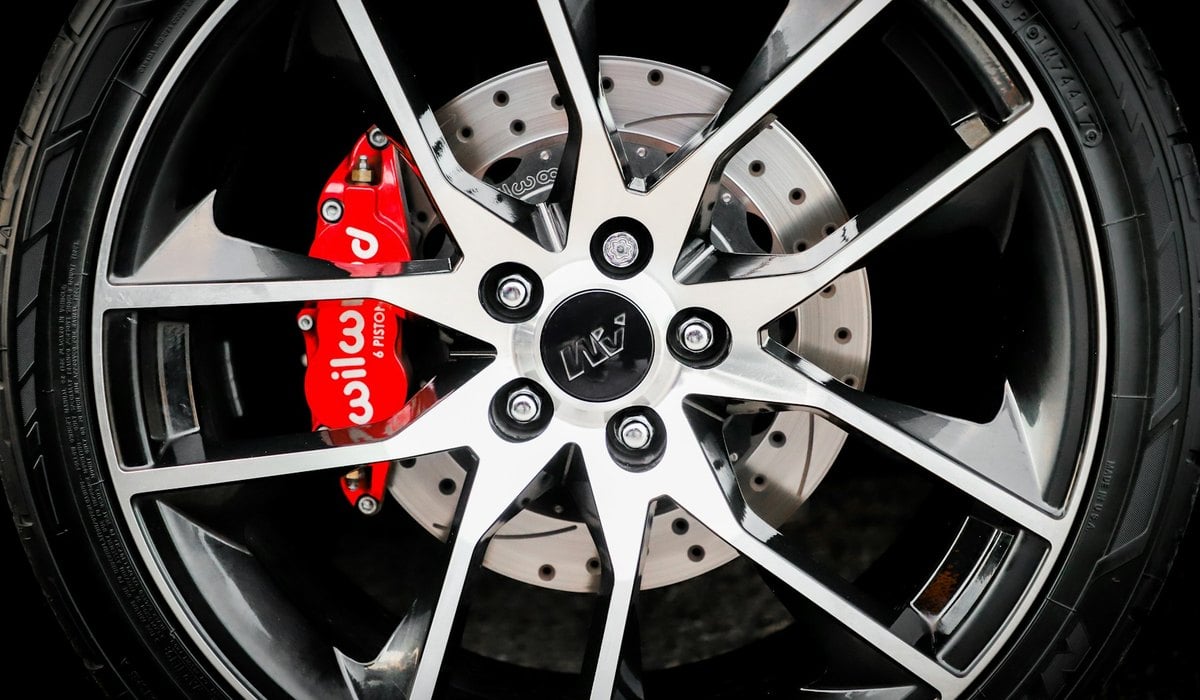
Most brake pads need changing somewhere between 25,000 and 50,000 miles, but mileage alone is a poor guide. How and where you drive matters far more. The clearest signs that your brake pads need changing are a squealing noise when you brake, longer stopping distances, or less than 3mm of friction material left on the pad.
Brakes are the one part of your car you cannot afford to ignore. Worn pads do not just fail an MOT, they lengthen the distance it takes to stop, and in the worst case they damage the discs behind them and turn a modest bill into an expensive one. This guide explains how long brake pads last, the warning signs to watch for, how to check them yourself, and what a replacement should cost in the UK.
How Long Do Brake Pads Last?
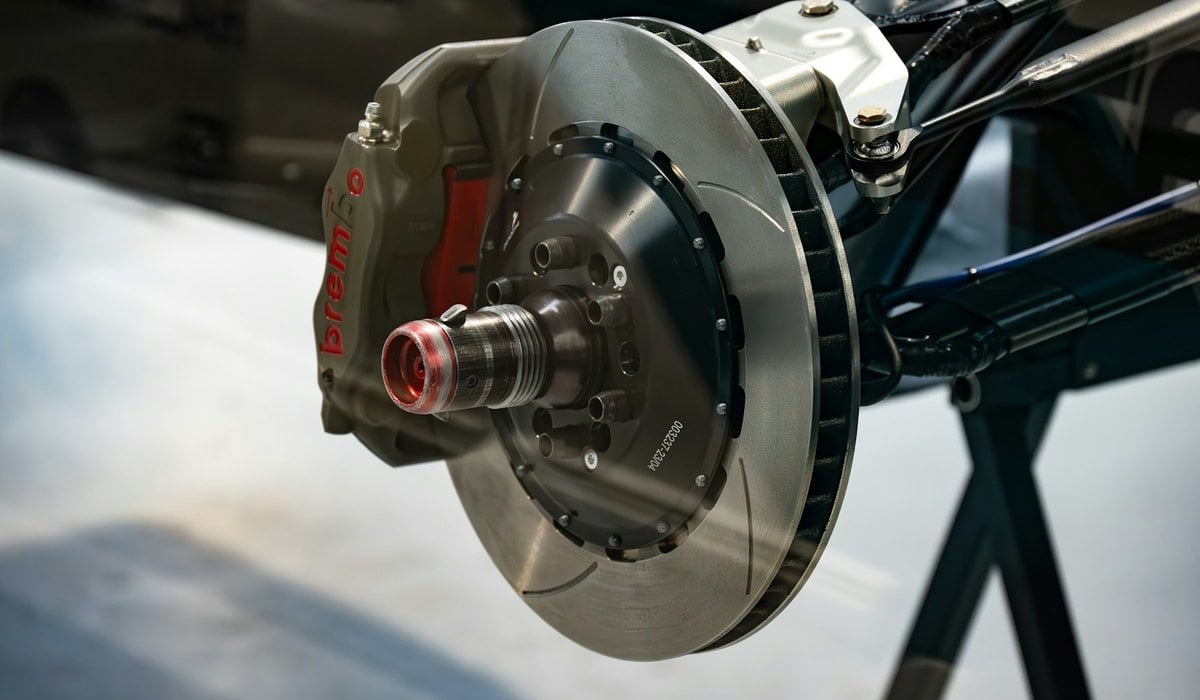
As a general rule, front brake pads last around 25,000 to 50,000 miles and rear pads last longer, often 40,000 miles or more. Front pads wear faster because weight shifts forward every time you brake, so they do most of the work. Very few cars wear all four corners at the same rate, which is why pads are almost always replaced in axle pairs rather than as a full set.
Driving style and environment change these figures dramatically. Stop-start city driving, heavy traffic, and hilly routes all wear pads considerably faster than steady motorway miles, where you may barely touch the brakes for long stretches. A car used mainly for short urban journeys might need new front pads at 20,000 miles, while the same model doing mostly motorway commuting could comfortably pass 50,000.
Vehicle weight plays a part too. Larger SUVs, seven seaters, and cars regularly carrying passengers or loads put more strain on the braking system and get through pads faster. If you tow, expect shorter intervals again.
What Are the Signs Your Brake Pads Need Changing?
The most common warning is a high-pitched squeal when you press the brake pedal. Many pads have a small metal wear indicator built in that deliberately contacts the disc once the friction material gets low, producing that noise as a prompt. If you hear it consistently, book an inspection rather than waiting to see whether it goes away.
A harsh grinding or metallic scraping sound is more serious. That usually means the friction material has worn away entirely and metal is contacting metal, which damages the disc every time you brake. Stop driving the car and get it looked at.
Other signals are easier to miss. A brake pedal that feels spongy or travels further than it used to, a car that pulls to one side under braking, vibration through the pedal or steering wheel, or simply needing more distance to stop than you remember all point to the braking system. Some cars also have a dashboard brake wear warning light, though not all do, so never rely on the absence of a light as proof the pads are healthy.
How Do You Check Your Brake Pads?
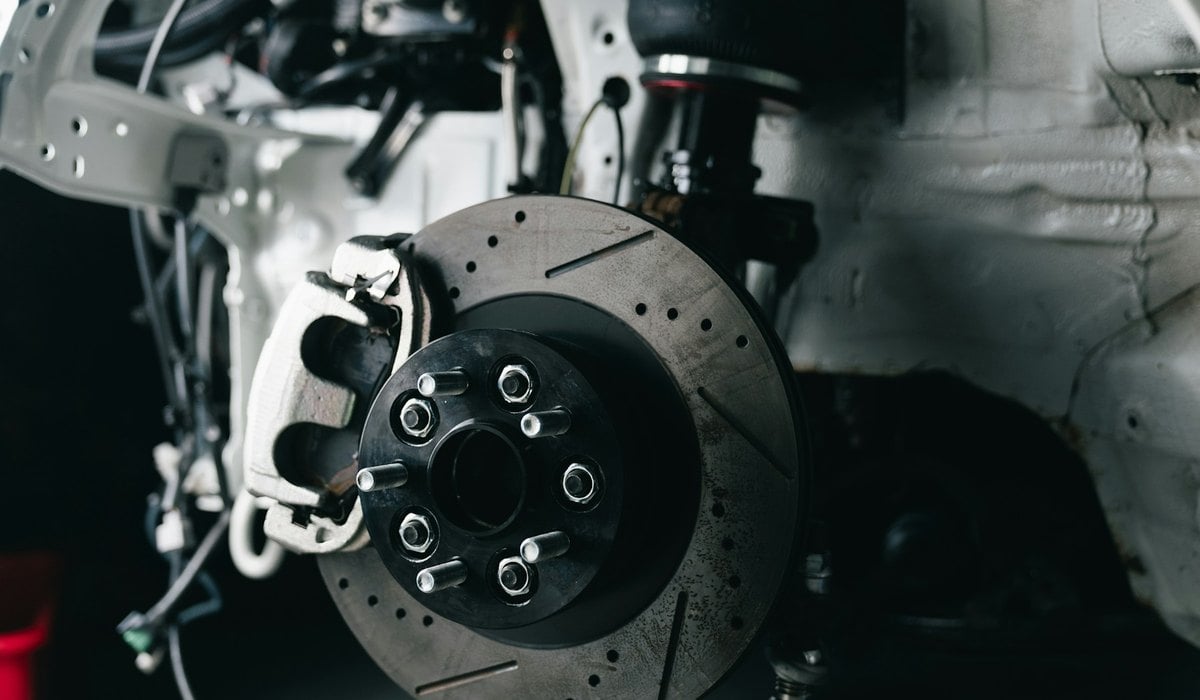
On many cars you can see the front brake pads through the gaps in the alloy wheel without removing anything. Look at the pad pressed against the shiny metal disc and estimate the thickness of the friction material, which is the softer block sitting against the disc face rather than the metal backing plate behind it.
New pads typically start with around 10mm to 12mm of friction material. Once that drops to roughly 3mm, it is time to plan a replacement. Below about 1.5mm the pad is considered dangerously worn and will be picked up as a serious defect at an MOT. If you cannot see the pads clearly, or the car has steel wheels with covers, a garage can check them in minutes and most will do it free as part of a service or tyre visit.
Check both sides of the car. Pads can wear unevenly if a caliper is sticking, and a difference between left and right is worth mentioning to whoever inspects them. It is also worth glancing at the disc surface while you are there. Deep scoring or a pronounced lip around the outer edge suggests the discs need attention as well.
What Happens If You Do Not Change Them?
The immediate consequence is reduced braking performance. Worn pads need a longer distance to bring the car to a stop, and that margin matters most in exactly the situations where you have least time to react. In wet conditions the difference is larger still.
The second consequence is cost. Once the friction material is gone, the metal backing plate contacts the disc directly and cuts into it. What would have been a straightforward pad change becomes pads and discs together, often doubling the bill. Leave it longer and you risk damaging the caliper too.
There is also the MOT to consider. Brake condition and performance are tested every year, and pads worn beyond the limit are a failure rather than an advisory. If you are unsure when your next test is due, our guide on whether your car needs an MOT sets out the rules.
How Much Does It Cost to Change Brake Pads in the UK?
Expect to pay roughly £100 to £300 per axle for pads fitted at an independent garage, depending on the car and the quality of the parts. Front pads generally cost a little less than rears on most cars because they are simpler to access, though this varies by model. Main dealers typically charge more than independents for the same job.
If the discs need replacing at the same time, the total usually rises to somewhere between £250 and £500 per axle. Performance cars, large SUVs and models with electronic parking brakes cost more again, partly because the parts are dearer and partly because the job takes longer.
Getting two or three quotes is worth the effort, as pricing for identical work varies widely between garages. Independent specialists are almost always cheaper than franchised dealers and using one will not affect the warranty on a car over three years old. Brakes are a predictable, recurring expense rather than a surprise one, which is why they belong in any realistic view of car running costs.
Should You Change the Brake Discs at the Same Time?
Not always, but often. Discs wear more slowly than pads and will usually survive two or three sets of pads before they need replacing. If the disc surface is smooth, free of deep grooves, and still within its minimum thickness, fitting new pads to existing discs is perfectly acceptable.
Discs should be replaced when they are scored, warped, cracked, or worn below the manufacturer's minimum thickness, which is normally stamped on the disc itself. Warped discs are easy to identify because they produce a pulsing sensation through the brake pedal under steady braking.
Where discs do need doing, always replace them in axle pairs, both fronts or both rears together. Fitting a new disc on one side and leaving an older one on the other creates uneven braking, which is both unpleasant to drive and potentially unsafe.
Can You Change Brake Pads Yourself?
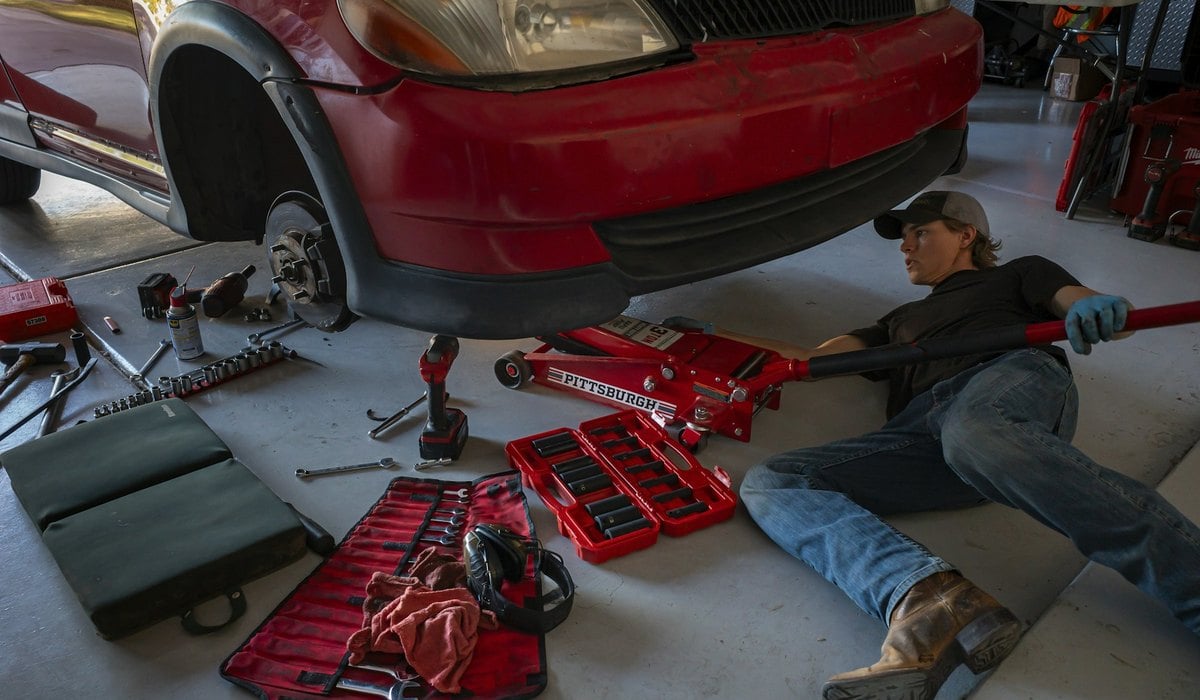
Changing brake pads is within reach of a confident home mechanic with the right tools, a jack, axle stands and a piston wind-back tool. The job is well documented for most common models and the parts are inexpensive to buy directly.
That said, brakes are a safety-critical system and the margin for error is small. A caliper bolt torqued incorrectly, a piston seal damaged during fitting, or air introduced into the hydraulic system can all compromise braking. Cars with electronic parking brakes add a further complication, because the rear calipers usually need to be put into service mode with a diagnostic tool before the pads can be changed.
For most drivers the sensible answer is to let a garage do it. The labour element of a pad change is modest, and you get a professional inspection of the discs, calipers, hoses and fluid at the same time. If you do tackle it yourself, test the brakes carefully at low speed before driving normally.
How to Make Your Brake Pads Last Longer
The single biggest factor is how you drive. Reading the road further ahead and easing off the accelerator early lets the car slow naturally, so the brakes do less work. Heavy, late braking generates far more heat and wears pads much faster. This is also why hybrid and electric cars often go a very long time between pad changes, since regenerative braking does much of the slowing before the friction brakes engage.
Reducing unnecessary weight helps, as does avoiding the habit of resting a foot lightly on the brake pedal on long descents. On steep hills, changing down a gear and letting engine braking control your speed puts far less strain on the pads than riding the brakes the whole way down.
Finally, keep up with routine checks. Spotting a sticking caliper early prevents one pad wearing out long before the others, and staying on top of the basics generally is the cheapest way to avoid large bills. The same logic applies to fluids, which is why it is worth knowing how to check your engine oil as part of the same routine.
Conclusion
Brake pads are a wear item, not a fault. Plan for a change somewhere between 25,000 and 50,000 miles on the front axle, adjust that expectation down if most of your driving is urban, and act on the warning signs rather than waiting for the annual MOT to catch them. Checking the pads takes a couple of minutes and can be the difference between a routine bill and an expensive one.
If you are weighing up mounting repair costs on an older car against changing to something newer, it is worth working out the full annual running cost before deciding. Ayan Capital offers Shariah-compliant car finance built on an Ijara structure, and checking what you could be approved for uses a soft search that will not affect your credit score.
Ayan Capital Ltd is authorised and regulated by the Financial Conduct Authority (Firm Reference Number 1022208). This content is for information only and does not constitute financial advice. All credit is subject to status, affordability checks, and terms and conditions.