

.svg)


.jpg)

Why Is Checking Your Engine Oil Important?
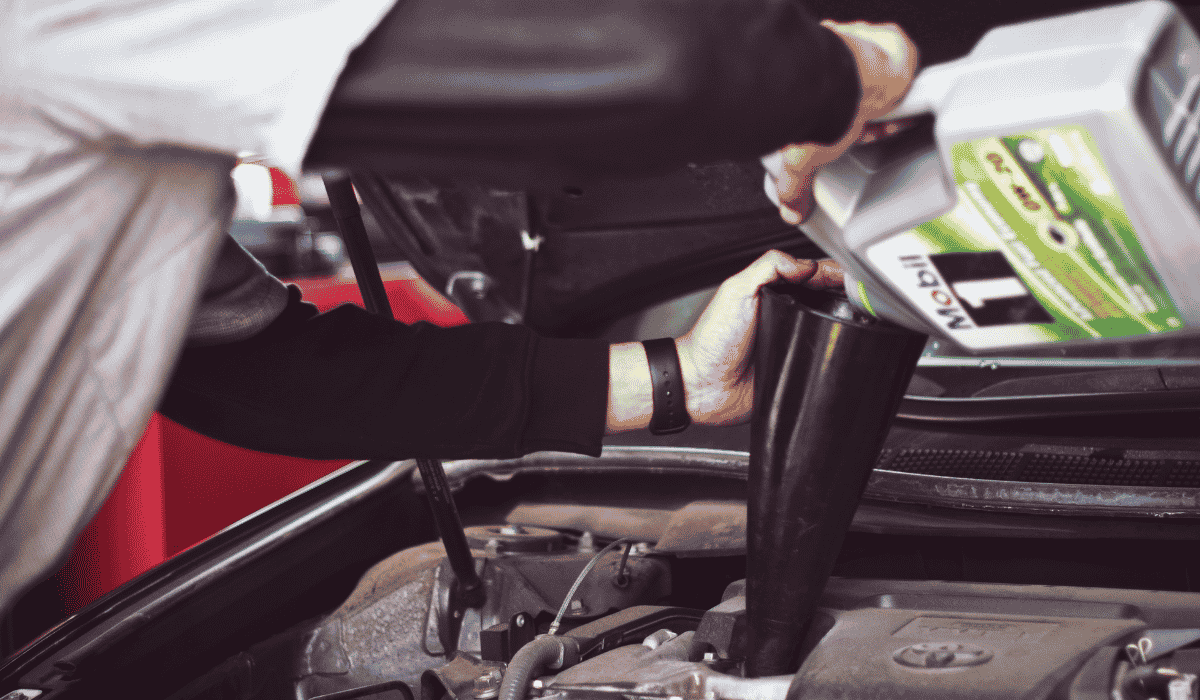
Engine oil keeps your car's engine running smoothly. It lubricates the moving parts, reduces friction, helps regulate temperature, and prevents premature wear. Without enough oil - or with oil that's degraded - your engine has to work much harder, which can lead to serious and expensive damage over time.
Checking your oil regularly is one of the simplest bits of car maintenance you can do, and it literally takes a few minutes. It's the sort of small habit that can save you from a big repair bill further down the line.
Despite that, it's something a lot of drivers overlook until a warning light appears on the dashboard: by which point the problem may already be more advanced than it needs to be
How Often Should You Check Your Oil?
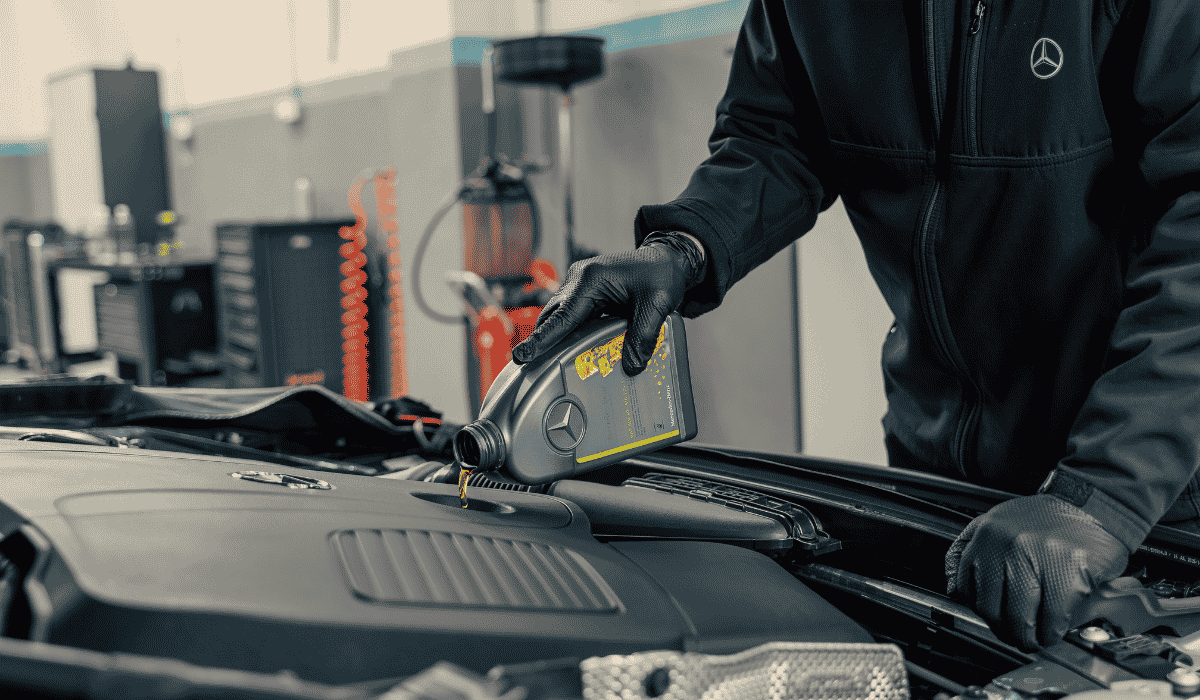
As a general rule, it's a good idea to check your engine oil at least once a month and before any long journey. This gives you a reliable picture of the oil level and condition, and means you'll catch any issues early rather than being caught off guard.
Some modern cars have electronic oil level monitors that display a reading on the dashboard, but these aren't always perfectly accurate and shouldn't be relied on as your only check. Doing a manual dipstick check regularly is still the most dependable way to know where you stand. It requires no special tools either!
How to Check Engine Oil with a Dipstick
Start by parking your car on a flat, level surface and turning off the engine. Wait a few minutes to let the oil settle back into the sump - checking immediately after driving can give you an inaccurate reading because the oil will still be circulating through the engine.
Open the bonnet and locate the dipstick, it usually has a brightly coloured handle, often yellow or orange, and is found near the front of the engine. Pull it out, wipe it clean with a cloth or paper towel, then push it all the way back in and pull it out again. The oil level should sit between the two marks on the dipstick: typically labelled as minimum and maximum.
If it's at or below the minimum mark, you need to top up.
What Should Engine Oil Look Like?
Healthy engine oil is typically a light amber or golden-brown colour and has a smooth, slightly slippery texture. This is what you'd expect to see in oil that's relatively fresh and doing its job properly. As oil ages and accumulates contaminants from the engine, it gradually darkens.
If the oil on your dipstick is very dark brown or black, it's likely due for a change. If it looks milky or has a creamy texture, that could indicate coolant is mixing with the oil - which is a more serious issue that should be looked at by a mechanic as soon as possible. Similarly, if the oil feels gritty or contains visible particles, it's no longer providing proper protection and needs replacing.
How to Top Up Your Engine Oil
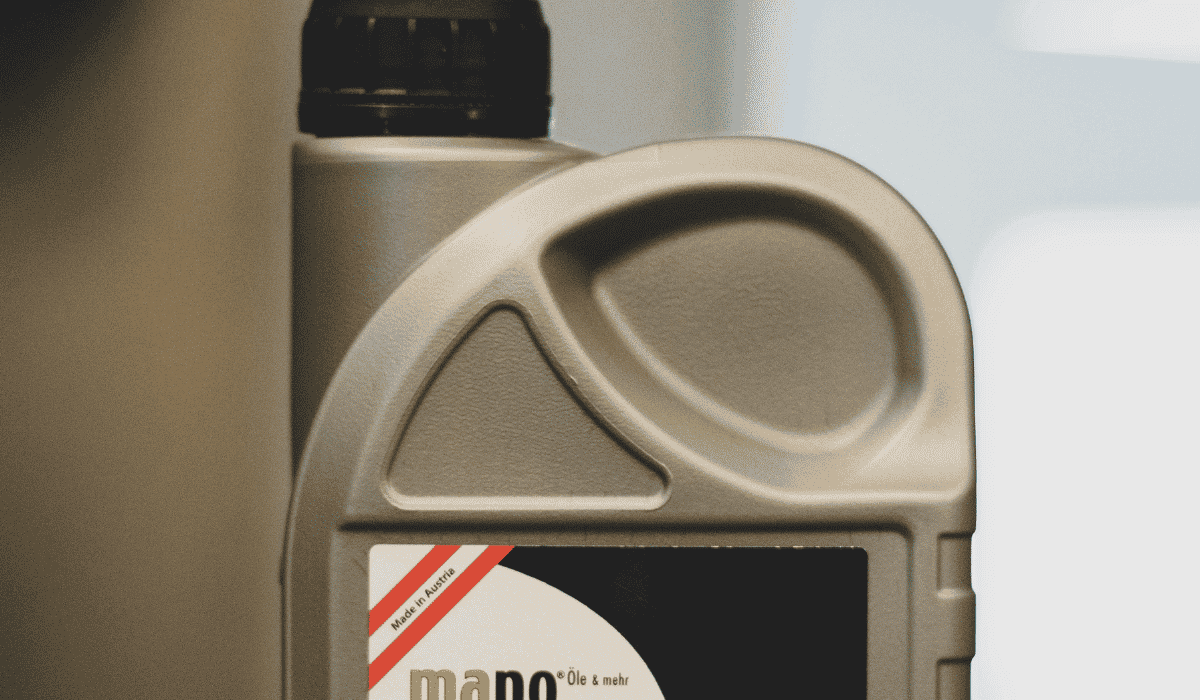
First, make sure you know which oil your car needs. This information is in your owner's manual or can usually be found by searching your registration number on a manufacturer or parts retailer website. Using the wrong oil can cause problems, so it's important to get this right rather than just grabbing whatever is on the shelf.
Remove the oil filler cap: this is separate from the dipstick and is usually found on top of the engine with an oil can symbol on it. Pour in a small amount of oil at a time, wait a minute for it to settle, then recheck the level with the dipstick. It's much better to add oil gradually than to overfill - too much oil can cause pressure issues and damage seals. Once the level sits between the minimum and maximum marks, replace the filler cap and you're done.
When Should You Get a Full Oil Change?
Most manufacturers recommend a full oil change every 12 months or every 10,000 to 15,000 miles, whichever comes first, though this varies depending on the car, the type of oil used, and how you drive. Your owner's manual will give you the specific interval for your vehicle. If you do a lot of short trips or stop-start driving, the oil can degrade faster than the standard interval suggests.
An oil change is usually carried out as part of a routine service, but you can also have it done independently at most garages. It's one of the most important parts of regular maintenance and directly affects how well and how long your engine lasts. Skipping or delaying oil changes is one of the quickest ways to shorten your engine's lifespan.
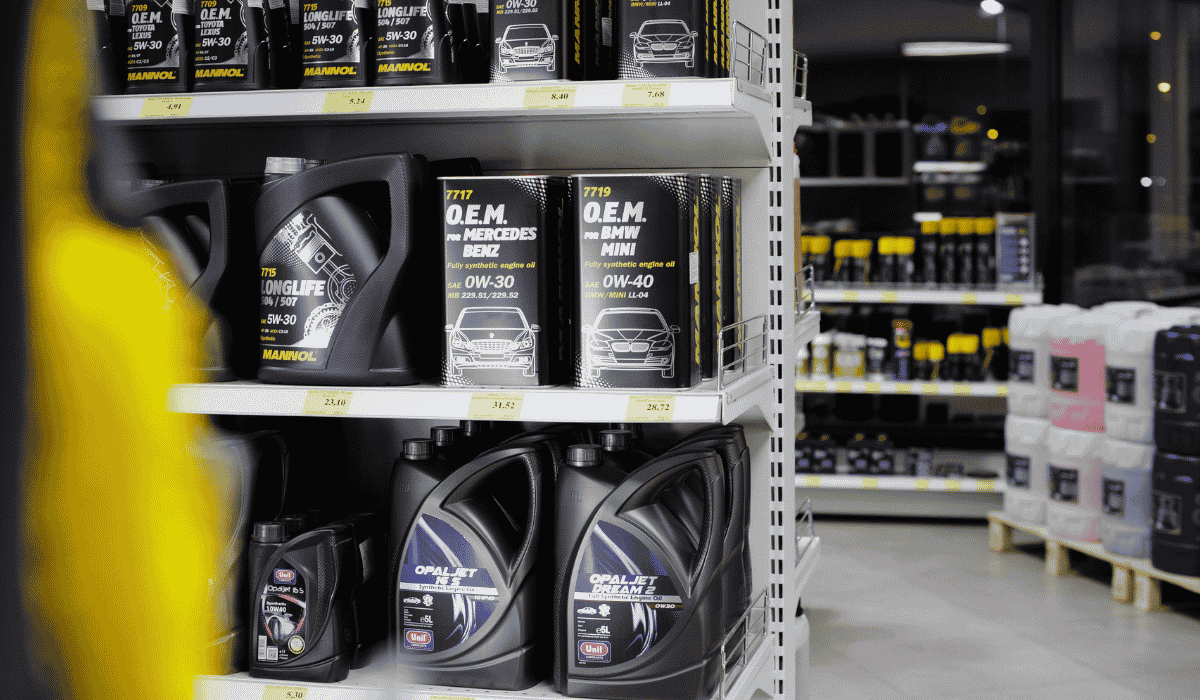
What Happens If You Drive with Low Oil?
Driving with insufficient engine oil is one of the most damaging things you can do to your car. Without enough oil, the engine's moving parts create excessive friction and heat, which can warp components, score cylinder walls, and eventually cause the engine to seize completely. A seized engine is usually beyond economic repair - meaning the car is effectively written off.
If your oil warning light comes on while driving, pull over safely as soon as possible and check the level. Don't ignore it or assume it can wait until you get home. Topping up on the roadside with a bottle of oil from a petrol station is far cheaper and easier than dealing with the consequences of running an engine dry. It's a small inconvenience that could save your car.
Conclusion
Checking your engine oil is one of the easiest and most effective things you can do to keep your car running well. It takes a few minutes, costs nothing, and gives you an early warning before small issues become expensive ones. Make it part of your monthly routine and always check before a long journey.
If the oil looks dark, feels gritty, or the level keeps dropping between checks, get it looked at sooner rather than later. A little attention now saves a lot of trouble later.