


.svg)


.jpg)

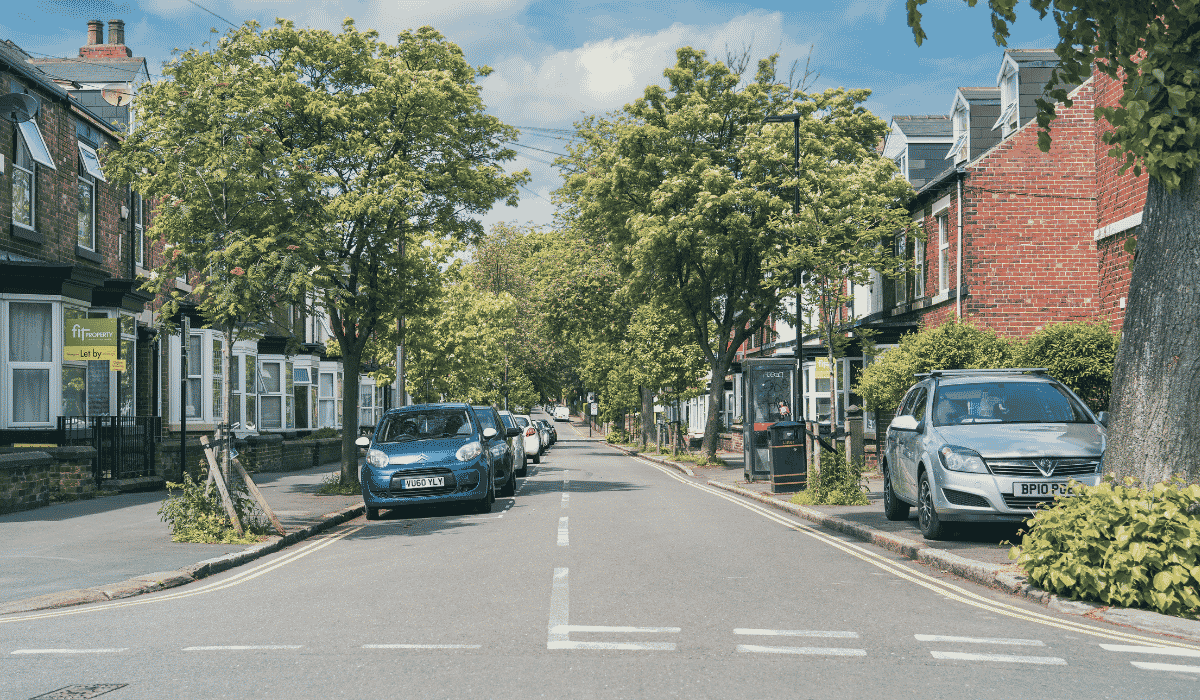
Running a car in the UK is not cheap. When you add up fuel, insurance, road tax, MOT, servicing, tyres, parking, and depreciation, the average driver spends somewhere between £3,000 and £5,000 per year. For many households, the car is one of the biggest ongoing expenses after rent or mortgage payments.
The good news is that there are practical steps you can take to reduce almost every part of that cost. Some save you a few pounds here and there, but others can cut hundreds off your annual bill. In this guide, we go through the main running costs UK drivers face and explain the most effective ways to bring each one down.
How Much Does It Cost to Run a Car in the UK?
For a typical UK driver covering around 7,400 miles per year in a mid-range petrol car, the rough annual breakdown looks something like this: fuel costs around £1,000 to £1,300, insurance sits at around £600 to £1,200 depending on your age and circumstances, road tax is £190 to £200 for most cars registered after April 2017, MOT costs up to £54.85 for cars over three years old, and servicing and maintenance typically comes to £300 to £600 per year.
Depreciation is the hidden cost that many people forget about. The average car loses around 15 to 20 per cent of its value in the first year and roughly 50 to 60 per cent over three years. This is not an expense you pay directly each month, but it is a real cost of ownership that matters when you come to sell or trade in. For most people, the total annual figure sits somewhere around £3,500 to £4,500.

How to Spend Less on Fuel
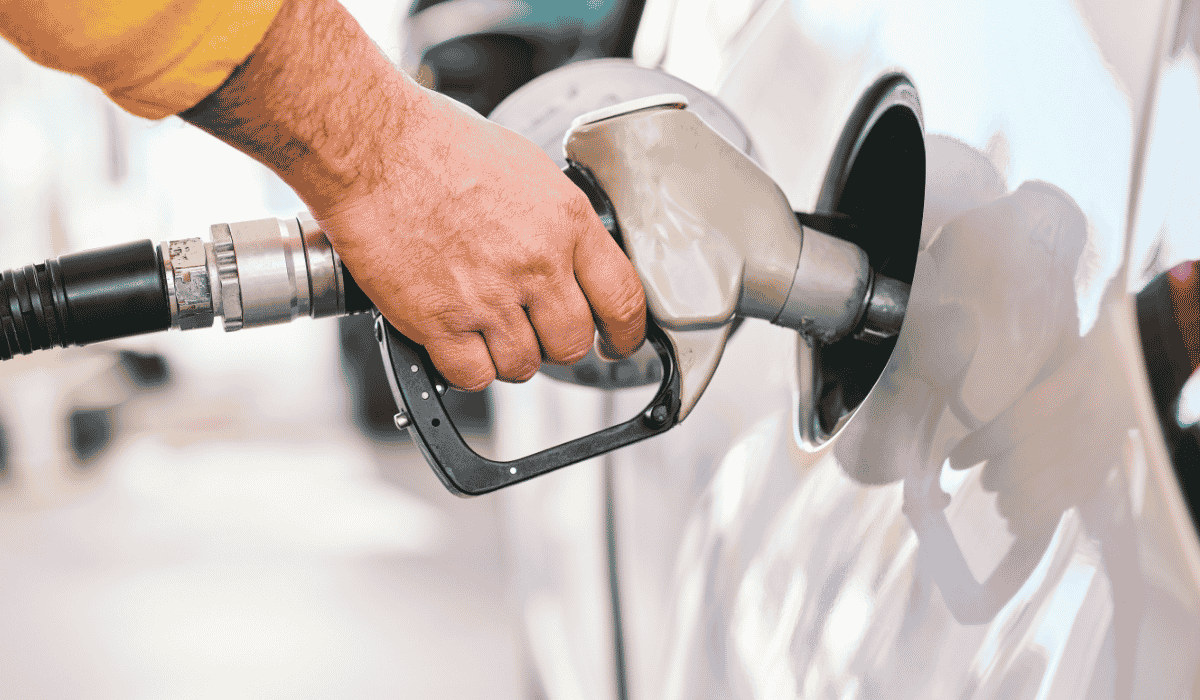
Fuel is the largest ongoing expense for most drivers, and it is also one of the easiest to reduce. Smooth, steady driving - accelerating gently, reading the road ahead, and braking progressively rather than sharply - can improve your fuel economy by up to 15 per cent. For a typical driver, that translates to a saving of more than £200 annually without changing anything about your car. Speed matters too - cars return their best fuel economy at around 45 to 55 mph, and driving at 70 mph uses roughly 15 per cent more fuel than 60 mph.
Keeping your car in good condition also helps. Underinflated tyres increase fuel consumption by around 3 per cent, and an empty roof box can cut efficiency by up to 10 per cent through aerodynamic drag. Remove any unnecessary weight from the boot, and use a fuel price comparison app like PetrolPrices or Waze to find the cheapest forecourt near you - prices can vary by 10p or more per litre between stations just a few miles apart. Supermarket loyalty points from Tesco Clubcard, Sainsbury's Nectar, and Asda Rewards can shave a few more pence off each fill too.
How to Reduce Your Insurance Premium
Insurance is the second biggest running cost for most drivers, and it is where shopping around can save you the most in one go. Insurers almost always offer better rates to new customers, and research shows that drivers who compare quotes save between £120 and £250 per year on average. Use at least two comparison websites, because not all insurers appear on every platform, and consider calling a few directly for quotes that may not be available online. Timing matters too - the cheapest time to buy is around 21 to 26 days before your renewal date.
If you can pay the full annual premium upfront rather than monthly, you will avoid interest charges of 20 to 40 per cent APR. Increasing your voluntary excess to £250 or £500 typically reduces your premium by 15 to 25 per cent, adding an experienced named driver can bring it down by 10 to 20 per cent, and keeping your car on a driveway or in a garage rather than on the street helps too. It is also worth checking your job title carefully on the quote form - insurers use occupation as a rating factor, and small differences in wording can affect the price.
How to Save on Road Tax
Road tax is a fixed cost for most drivers, but there are still ways to minimise it. For cars registered after April 2017, the standard rate is £190 per year, with an additional £425 supplement for the first five years if the car's original list price was above £40,000. Cars registered before April 2017 are taxed on a sliding scale based on CO2 emissions, so if you drive an older low-emission car, your road tax could be as little as £20 to £30 per year.
Paying annually rather than monthly saves you money too - the DVLA charges a 5 per cent surcharge for monthly or six-monthly payments. You can check your current rate and set up payments through the gov.uk vehicle tax service.

How to Keep MOT, Servicing, and Tyre Costs Down
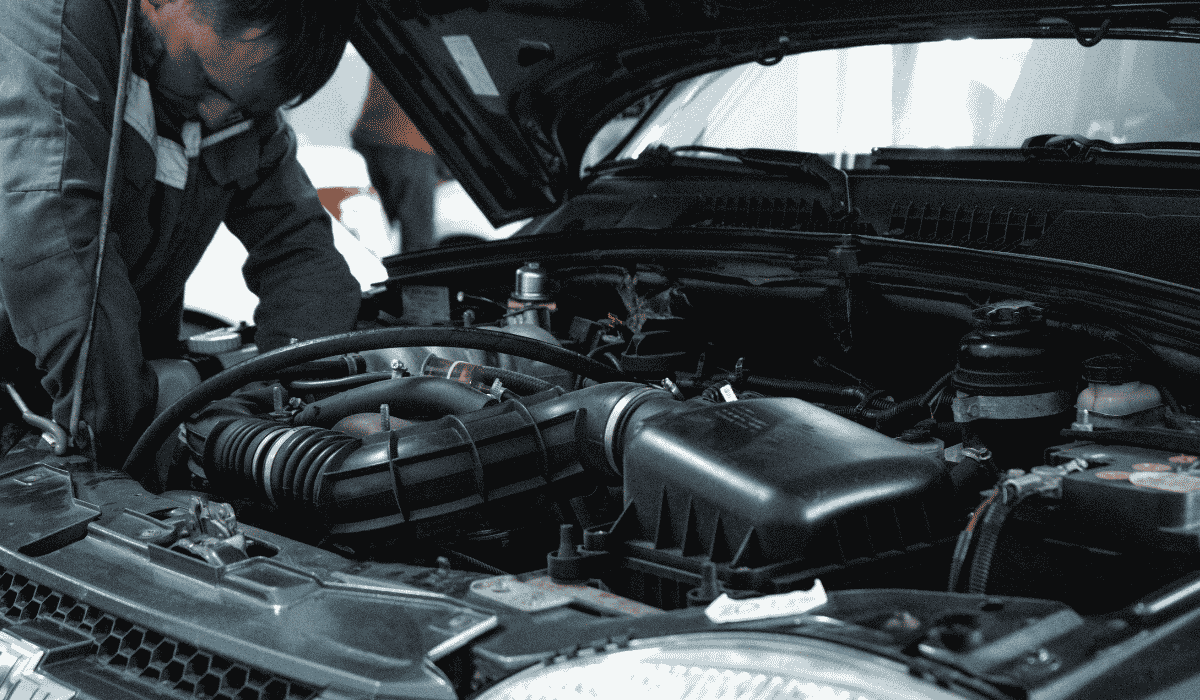
The maximum MOT fee is £54.85, but many garages charge less - sometimes as little as £25 to £35 - to attract servicing work. Websites like BookMyGarage and WhoCanFixMyCar let you compare prices locally. The MOT itself is cheap, but what makes it expensive is the repair work needed to pass. Staying on top of basic maintenance throughout the year - checking lights, tyres, wipers, and fluid levels - means you are less likely to fail on something that could have been caught and fixed cheaply in advance. The gov.uk MOT history checker shows what your car has previously failed or received advisories on, which is a useful head start.
For routine servicing, independent garages are almost always cheaper than main dealers - often by 40 to 50 per cent - and using one will not affect your warranty on cars over three years old. When it comes to tyres, a set of four mid-range tyres for a hatchback costs between £200 and £400 fitted, but keeping them properly inflated extends their life significantly and improves fuel economy at the same time. Shop around online before going to a fitter - websites like Black Circles and Tyre Shopper often undercut local prices. Mid-range brands like Hankook and Falken perform well in independent tests and cost 30 to 50 per cent less than premium brands.
How to Minimise Depreciation
Depreciation is the largest single cost of ownership for anyone buying new or nearly new. The most effective strategy is to avoid buying brand new altogether. A car that is three to five years old has already absorbed the steepest part of the depreciation curve but is still young enough that reliability and running costs are very manageable. If you do buy new, Japanese and Korean brands like Toyota, Honda, Hyundai, and Kia consistently hold their value better than most, and popular colours like black, white, and grey depreciate less than unusual ones.
Looking after the car properly throughout ownership also protects its value. A full service history, clean bodywork, and keeping your annual mileage at or below average all make a measurable difference when it comes time to sell.
Choosing a Car That Is Cheap to Run
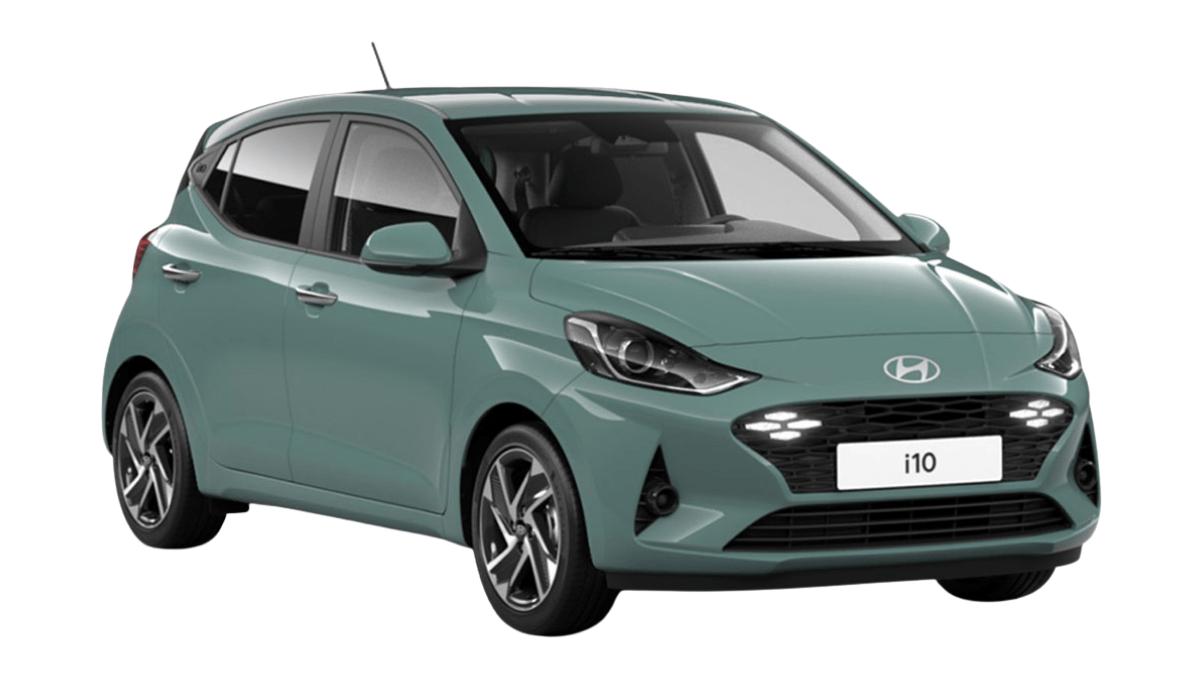
If you are buying a car and want to keep running costs as low as possible, the choice of vehicle makes a bigger difference than almost anything else. The cheapest cars to run share a few common traits: small engines (1.0 to 1.2 litres), low insurance groups (1 to 10), high fuel economy (50 mpg or above), good reliability, and affordable parts. Models that consistently come out on top include the Toyota Yaris, Hyundai i10, Suzuki Swift, Kia Picanto, Dacia Sandero, and Skoda Fabia.
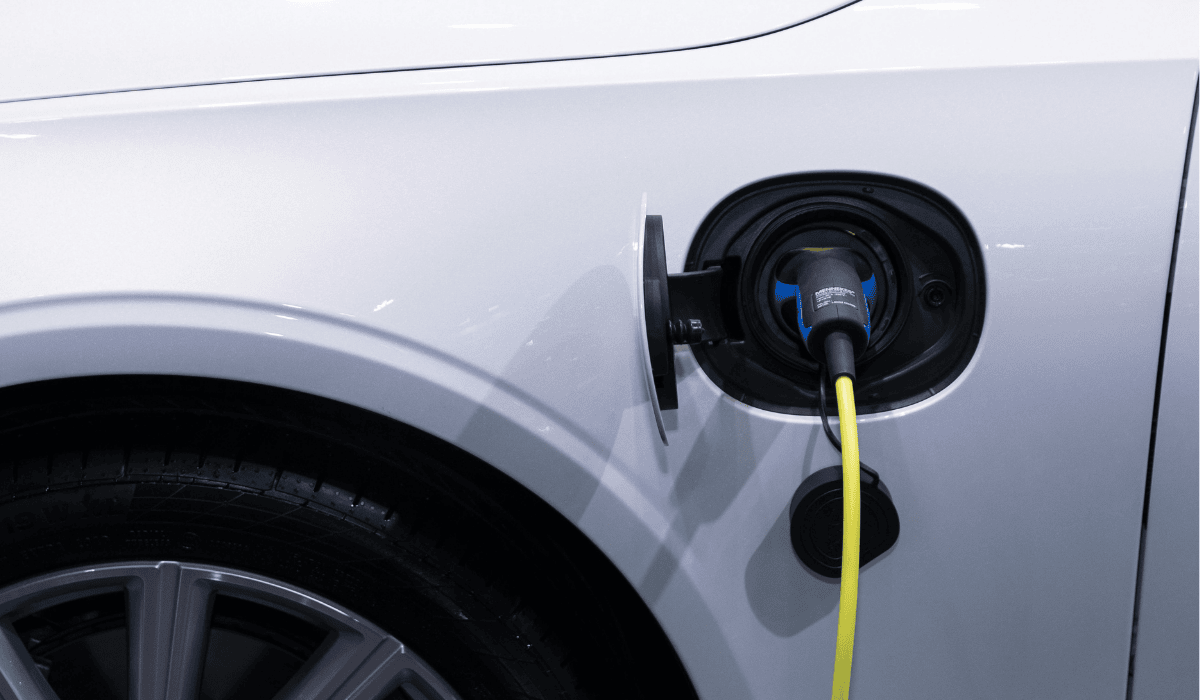
Hybrid cars are worth considering if you do a lot of city driving, as the electric motor assists at low speeds and can cut fuel consumption significantly. Fully electric cars have the lowest fuel costs of all - around £500 per year for home charging versus £1,000 or more for petrol - but higher purchase prices and insurance costs mean the total advantage depends on how much you drive. For most UK drivers covering average mileage in a mix of town and motorway, a small petrol or hybrid car remains the cheapest overall option.

Conclusion
Reducing your car running costs does not require dramatic changes - it is about making smarter decisions across the board. Choosing a car with low insurance and good fuel economy, driving smoothly, shopping around for insurance every year, and keeping up with basic maintenance all contribute to a lower overall bill.
The most impactful single change most people can make is to compare insurance quotes properly before every renewal, because that is where the biggest one-off saving usually sits. After that, the way you drive and the car you choose are the next biggest factors. Get those three things right and you will be well placed to keep your motoring costs below the national average.