




.svg)


.jpg)

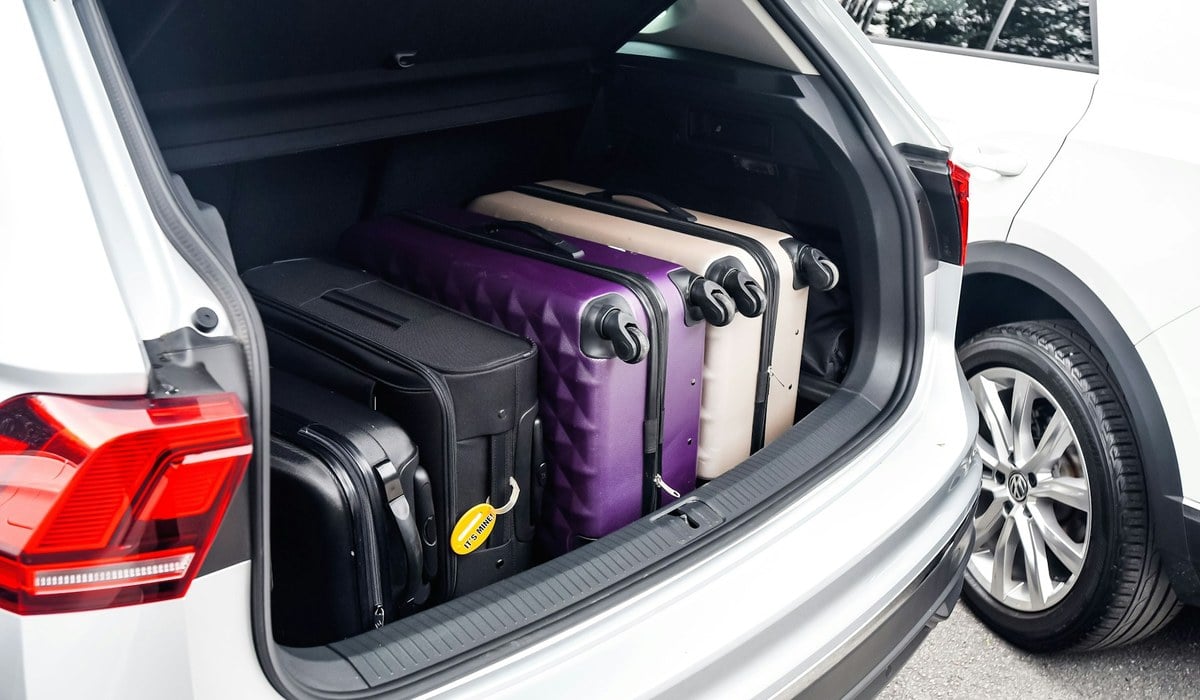
A long drive asks far more of your car than the school run ever will. Hours at motorway speed, a boot loaded with luggage, and a full car of passengers put sustained strain on tyres, brakes, and cooling systems that barely get warm on a short local trip. Faults you can live with around town become genuinely serious three hours from home.
The good news is that a proper pre-journey check takes about twenty minutes and needs no tools beyond a tyre pressure gauge. In this guide, we run through exactly what to look at before you set off, from tyres and fluids to lights, brakes, and the paperwork that has to be valid before you turn the key.
Why Checking Your Car Before a Long Journey Matters
Short journeys are forgiving. A slightly soft tyre, oil sitting near the minimum mark, or a wiper blade that smears are all things you notice, tolerate, and deal with at the weekend. At seventy miles an hour in heavy rain, on a road you do not know, those same faults stop being minor irritations.
A breakdown away from home is also far more disruptive than one on your own street. Recovery takes longer on unfamiliar roads, a local garage may not have the parts for your car, and you may be waiting on a hard shoulder with children in the back. Prevention is enormously cheaper than recovery, both in money and in the day you lose.
One practical tip before you start: do these checks the day before you travel, not on the morning itself. If you find a bald tyre or a flat battery, you want time to sort it out rather than a decision about whether to risk it.
Check Your Tyres First
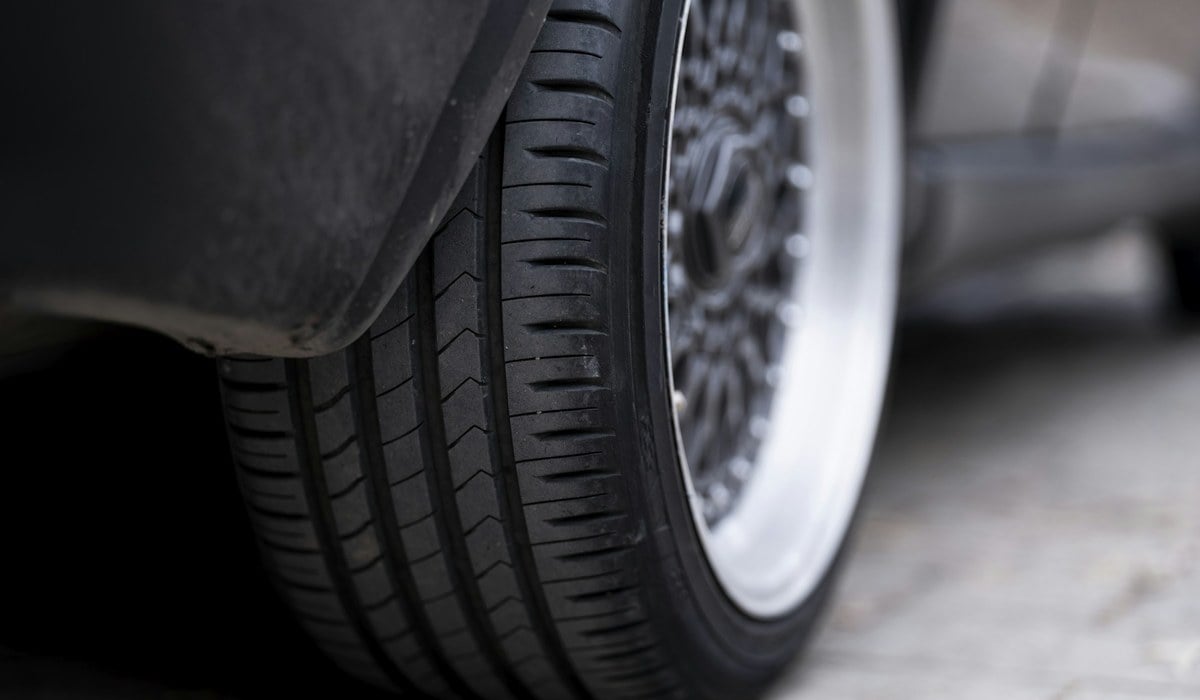
Tyres are the single most important check and the one most often skipped. Start with pressure. The correct figures for your car are in the owner's manual and usually printed on a sticker inside the driver's door shut or behind the fuel filler flap. Check them when the tyres are cold, because driving warms the air inside and gives a falsely high reading. Most cars list a second, higher set of pressures for when the car is fully loaded, and a long trip with a full boot and four passengers is exactly the situation those figures exist for.
Next, tread depth. The legal minimum in the UK is 1.6mm across the central three quarters of the tyre and around its entire circumference. The quickest way to check is the 20p test: push a 20p coin into the main tread grooves, and if you can see the outer band of the coin, your tread may be below the limit and the tyre needs professional inspection. Driving on illegal tyres carries a fine of up to £2,500 and three penalty points per tyre, and wet braking distances lengthen noticeably once tread drops below around 3mm.
Finally, look at the tyres properly rather than glancing at them. Run your eye over the sidewalls for bulges, cuts, or cracking, and pick out any stones or screws lodged in the tread. Check the spare while you are there, and if your car came with a sealant kit instead of a spare, make sure the sealant has not passed its expiry date. Confirm the locking wheel nut key is actually in the car, because it is astonishing how many are sitting in a kitchen drawer at home.
Check Your Oil and Other Fluids
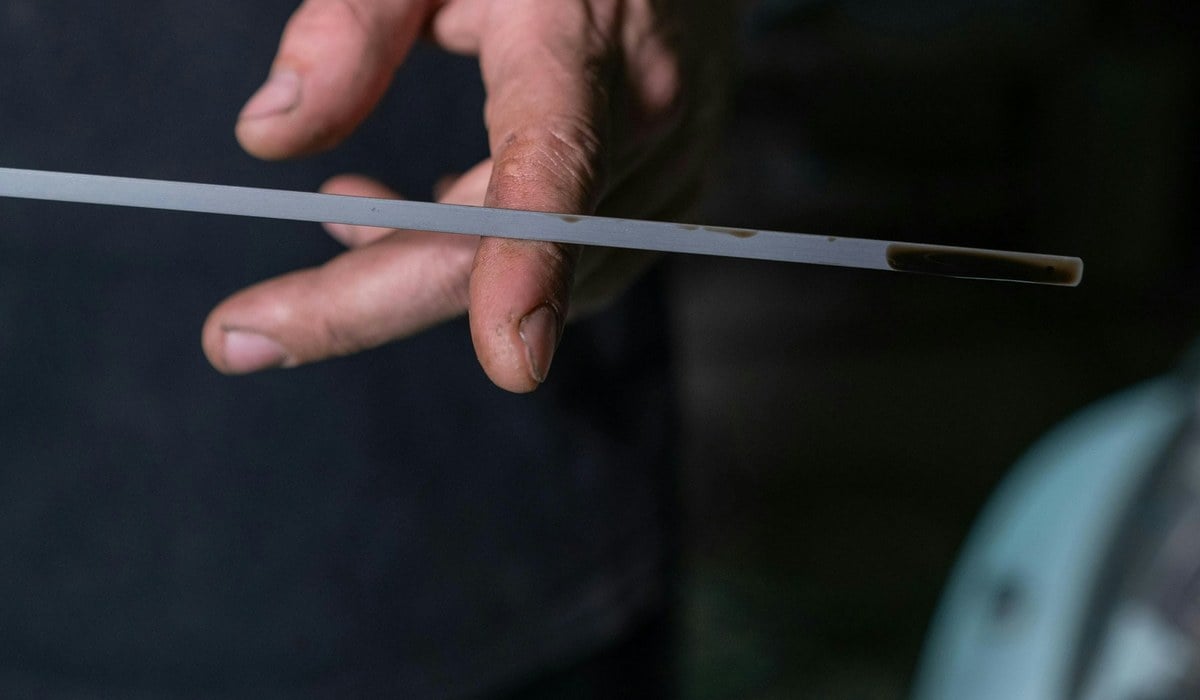
Check the engine oil with the car on level ground and the engine cool. Pull the dipstick out, wipe it clean, push it fully back in, then pull it out again and read the level, which should sit between the minimum and maximum marks. Top up with the correct grade for your engine if it is low, and if it is very low, work out why before you drive several hundred miles. Our guide to checking your car's engine oil walks through it step by step.
Coolant matters just as much on a long drive, because sustained motorway running generates far more heat than stop-start traffic. Check the level in the expansion tank sits between the minimum and maximum lines, and never unscrew the cap on a hot engine, as the system is pressurised and the escaping coolant can scald badly. If the level has dropped since you last looked, there is a leak somewhere and it needs investigating.
Fill the screenwash right to the top and take a spare bottle with you. Motorway spray, road salt, and squashed insects will empty a reservoir remarkably quickly, and an empty one leaves you smearing dirt across the glass with dry wipers. While you are under the bonnet, glance at the brake fluid reservoir too. The level drops very slowly as brake pads wear, but a noticeable drop needs a garage rather than a top-up.
Test Every Light and Both Wipers
Get someone to stand outside the car while you work through the lot: sidelights, dipped headlights, main beam, front and rear indicators, hazards, fog lights, reversing lights, and the number plate light. Brake lights are the ones most commonly missed, because you cannot check them alone without reversing towards a wall or shop window and watching the reflection. A blown bulb is a couple of pounds and five minutes, and it is a very easy way to get pulled over.
Wiper blades are the other cheap fix worth doing before you travel rather than after. If they judder, smear, or leave unwiped patches, replace them. Blades harden and split with age even if you barely use them, and a set for most cars costs less than a tank of fuel. Do not forget the rear wiper, which tends to be ignored until the moment you need it.
Clean the windscreen inside as well as out. The film that builds up on the inside of the glass is invisible until you drive into low autumn sun or oncoming headlights, at which point it scatters the light and turns the whole screen opaque for a second or two. That is not a moment you want at speed on an unfamiliar road.
Listen and Feel for Brake Problems
You do not need to take the wheels off to spot a brake problem. On a short drive round the block, listen for squealing or grinding, feel for a pedal that goes soft or sinks slowly under steady pressure, and notice any vibration through the pedal or steering wheel when you slow down. If the car pulls to one side under braking, that needs looking at before you go anywhere.
A long drive is exactly the wrong time to find out your pads are on their last few millimetres. A fully loaded car is heavier, and heavier cars take longer to stop and put more heat into the brakes, particularly on long descents in hilly areas. Anything that feels different from normal is worth ten minutes at a garage before you commit to a five-hour journey.
If you are unsure how much life is left in your pads or when they were last replaced, our guide to when to change your brake pads explains the warning signs and the typical replacement intervals.
Check the Battery, Especially if the Car Sits Unused
Battery failure is one of the most common reasons for a roadside callout, and it is more likely if your car mostly does short trips, because the alternator never gets long enough to fully recharge it. Most batteries last three to five years in the UK climate, so if yours is older than that and you have never had it tested, it is worth doing.
The warning signs are easy to spot. The engine cranks slowly before it fires, the headlights look dim at idle and brighten when you rev, electrical bits behave oddly, or the battery warning light appears on the dashboard. Many garages and motor factors will test a battery for free in a couple of minutes.
Whatever the result, keep a set of jump leads or a portable jump pack in the boot. Our step-by-step guide to jump starting a car is worth reading before you need it rather than in a service station car park at night.
Plan the Route and Your Breaks
The Highway Code recommends a break of at least fifteen minutes after every two hours of driving, and tiredness causes a significant share of serious motorway collisions. Plan where those stops will be before you leave rather than pressing on and hoping something appears. Rule 91 of the Highway Code sets out the guidance in full.
Check traffic and planned roadworks the evening before and again just before you set off, and have a rough alternative route in mind if your main road closes. Download offline maps if any part of the journey goes through areas with patchy signal, because a sat nav that loses its data connection in rural Wales or the Highlands is no help at all.
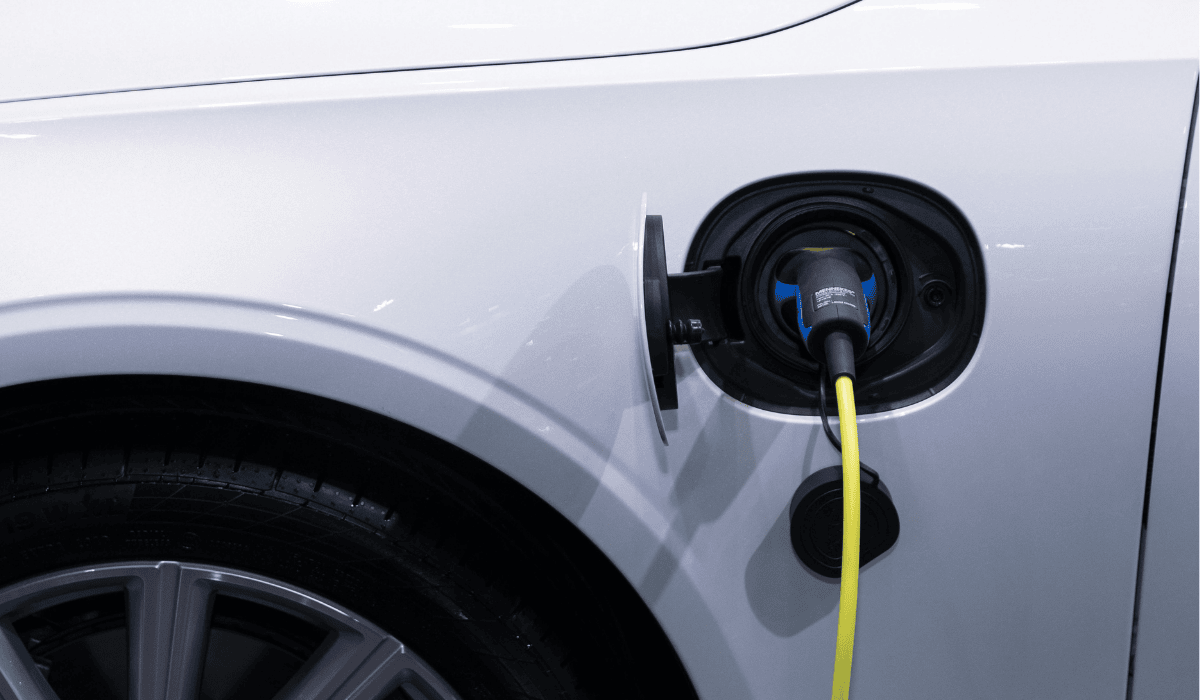
Think about fuel or charging in advance too. Filling up before you join the motorway is almost always cheaper than a service station, and it is sensible not to let the tank drop below a quarter on roads you do not know. If you drive an electric car, plan your charging stops around the route rather than assuming a rapid charger will be free when you arrive, and have a backup location for each one.

What to Keep in the Car
A small kit in the boot turns most roadside problems from a crisis into an inconvenience. For a long journey, it is worth carrying:
- A phone charger and a fully charged power bank
- A high-visibility vest for each person, kept inside the cabin rather than the boot
- A torch with working batteries
- Water and some food that will not spoil
- A warm layer or blanket for everyone
- A basic first aid kit
- Jump leads or a portable jump starter
- A tyre inflator or sealant kit
- Spare screenwash and a cloth
- Sunglasses, which matter more than people expect on low-sun autumn drives
How you load the car matters as well. Put heavy items low down and as far forward in the boot as they will go, because weight high up or right at the back affects handling and braking. Never pile luggage on the parcel shelf where it blocks your rear view and becomes a projectile in a sudden stop. If you are using a roof box or roof bars, remember they raise fuel consumption noticeably and make the car more sensitive to crosswinds.
If you are travelling with children, having something to keep them occupied is genuinely a safety measure rather than a luxury, because a distracted driver is a dangerous one. Our list of road trip games for long car journeys is a good place to start.
Make Sure Your Documents Are Valid
None of the mechanical checks help if the car should not legally be on the road at all. Check your MOT status free on GOV.UK using just the registration number. Driving without a valid MOT carries a fine of up to £1,000, and more importantly your insurance may not pay out if you have a claim. Our guide on whether your car needs an MOT covers the rules and the exemptions.
Check your vehicle tax on GOV.UK at the same time, since it takes seconds and direct debits do occasionally fail without anyone noticing. Confirm your insurance is current, and if any part of the trip is abroad, check what cover you actually have outside the UK rather than assuming it carries over.
Finally, check your breakdown cover is active and read what it includes. Some policies only cover home start or a limited recovery distance, which is not much use if you break down four hundred miles from home. If your cover is basic and you are planning a long trip, upgrading for a month is usually inexpensive and far cheaper than paying for recovery on the day.
Conclusion
Twenty minutes the day before a long drive is one of the best returns on time you will find as a driver. Tyres, oil, coolant, screenwash, lights, wipers, brakes, and battery cover almost everything that realistically goes wrong, and the documents check takes another two minutes on your phone. Everything else is about planning the route sensibly and packing the car so that a problem stays a problem rather than becoming an emergency.
If your journey falls in the colder months, there is more to think about, and our winter driving tips guide covers tyres, visibility, and what to keep in the boot when the temperature drops. Whatever the season, a car that has been checked properly is a car you can stop thinking about once you set off, which is the whole point.
If these checks are turning up more problems than they solve, it may be a sign your car is nearing the end of its useful life. Ayan offers Shariah-compliant car finance built on an Ijara structure, so you can spread the cost of something newer and more reliable without interest, and checking your eligibility uses a soft search that will not affect your credit score.