


.svg)


.jpg)

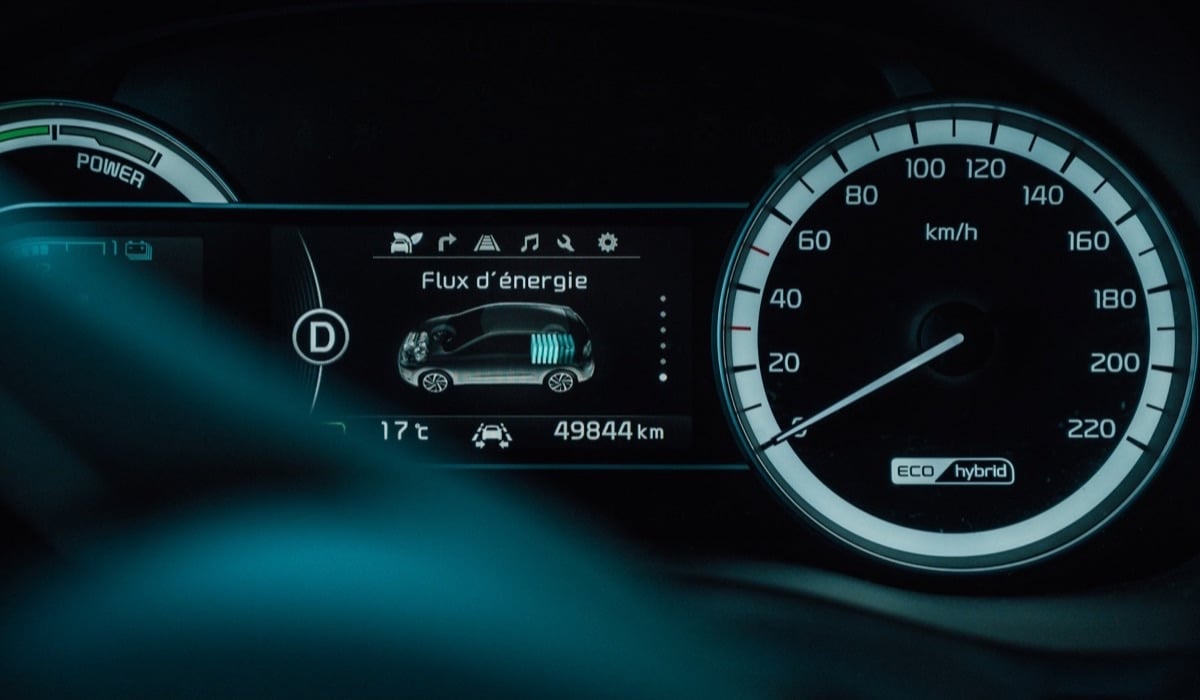
If you have been browsing new or used cars recently, you will have seen the letters MHEV appearing on more and more listings. It stands for mild hybrid electric vehicle, and mild hybrids are now fitted to a huge proportion of the petrol and diesel cars sold in the UK, from small hatchbacks to large SUVs. Yet a lot of drivers are not entirely sure what a mild hybrid actually is, or how it differs from the full hybrids and plug-in hybrids sold alongside them.
The short answer is that a mild hybrid uses a small electric motor to assist the engine, but it can never drive the car on electric power alone. In this guide we explain exactly how a mild hybrid car works, how it compares with full and plug-in hybrids, how much fuel it realistically saves, and whether an MHEV is worth choosing for the way you drive.
What Is a Mild Hybrid Car?
A mild hybrid car is a petrol or diesel car fitted with a small electric motor and a small battery that support the engine but never replace it. The technical name is mild hybrid electric vehicle, usually shortened to MHEV, and you will see that badge used by manufacturers including Suzuki, Ford, Kia, Hyundai, Audi, BMW, Mercedes-Benz, and Volvo.
The defining characteristic of a mild hybrid is that it cannot run on electric power by itself. In a full hybrid, the car can pull away and drive short distances silently on the battery alone. A mild hybrid cannot do this at all. The petrol or diesel engine is always doing the work, and the electric motor simply lightens its load at the moments when an engine is least efficient, such as pulling away from a standstill or accelerating up to speed.
Most modern mild hybrids use a 48-volt electrical system, which is why you will often see them described as 48V mild hybrids. Some smaller and older systems use a 12-volt setup, which works the same way but delivers a smaller benefit. The battery itself is tiny, typically well under one kilowatt hour, which is a fraction of the size of the battery in a plug-in hybrid or an electric car.
How Does a Mild Hybrid Work?
At the heart of a mild hybrid is a compact electric motor known as a belt-driven starter generator or an integrated starter generator. It replaces the conventional alternator and starter motor, and it can act as both a motor and a generator depending on what the car needs at any given moment.
When you slow down or brake, the motor switches into generator mode and captures energy that would otherwise be lost as heat, using it to top up the small battery. This is called regenerative braking, and it is the reason a mild hybrid never needs plugging in. When you then accelerate, the stored energy is fed back through the motor to give the engine a gentle push, reducing how hard the engine has to work and how much fuel it burns.
The system also makes the stop-start function far smoother and more effective. In a conventional car, stop-start can feel hesitant and often shuts off only when the car is completely stationary. With a 48V mild hybrid, the engine can switch off earlier, sometimes while the car is still coasting to a halt, and restart almost imperceptibly. Some systems also allow the car to coast with the engine off at motorway speeds when you lift off the accelerator.
Mild Hybrid vs Full Hybrid vs Plug-In Hybrid
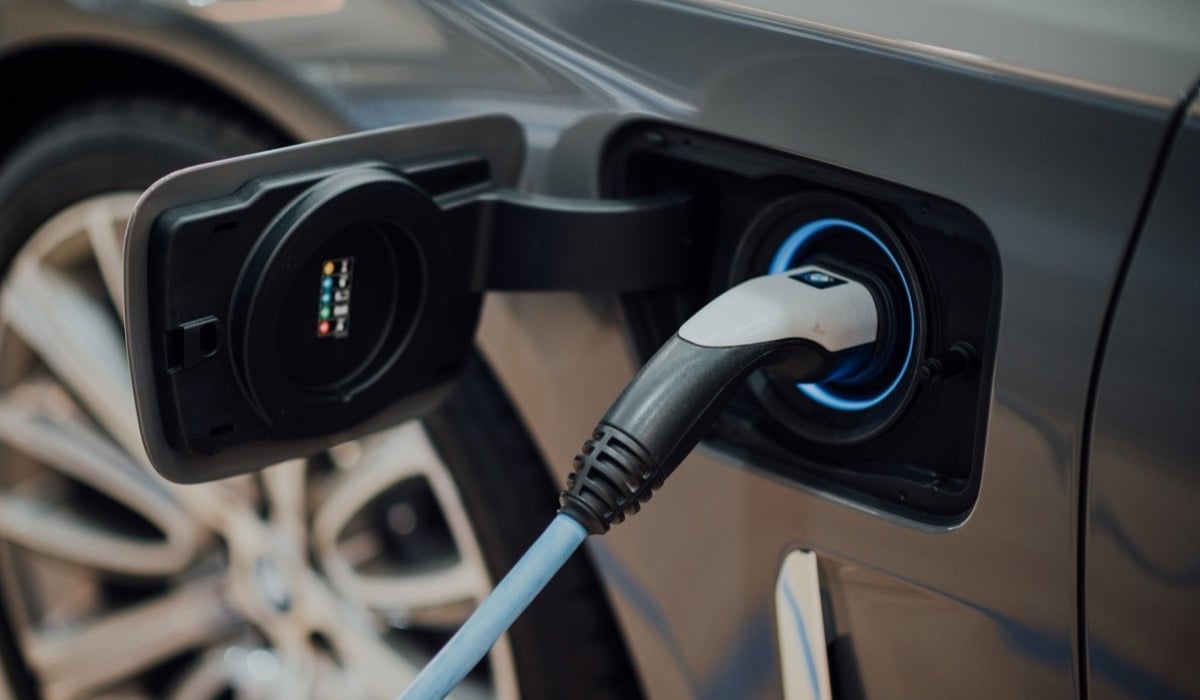
The three types of hybrid sit on a scale, and the simplest way to tell them apart is to ask how far each one can travel on electricity alone. A mild hybrid cannot drive on electric power at all. A full hybrid, sometimes called a self-charging hybrid, can drive short distances at low speeds on battery power, typically a mile or two around town. A plug-in hybrid has a much larger battery and can usually manage somewhere between 30 and 70 miles on electricity before the engine is needed.
That difference in capability drives everything else. Mild hybrids have the smallest batteries and the smallest fuel savings, but they are also the cheapest to buy, the lightest, and require no change at all to how you use the car. Full hybrids cost more and save more fuel, particularly in stop-start town driving. Plug-in hybrids offer the biggest savings if you charge them regularly, but they are considerably more expensive, and if you never plug one in you end up carrying a heavy battery around for very little benefit.
Neither mild nor full hybrids ever need to be plugged in, which is why both are often marketed as self-charging. Only a plug-in hybrid has a charging port. If you are weighing up the different types more broadly, our guide on whether hybrid cars are worth it looks at the wider picture.
Do You Need to Charge a Mild Hybrid?
No. A mild hybrid never needs to be plugged in, and in fact there is nothing to plug in to. There is no charging port, no cable, and no need to think about charging infrastructure at all. The battery charges itself entirely through regenerative braking and the engine as you drive.
This is one of the main reasons mild hybrids have become so widespread. From the driver's point of view, an MHEV behaves exactly like a normal petrol or diesel car. You fill it with fuel, you drive it, and the hybrid system works quietly in the background without asking anything of you. There is no range anxiety, no home charger to install, and no adjustment to your routine.
The trade-off is that because the battery is so small and only ever charged by driving, the amount of assistance it can provide is limited. A mild hybrid gives you convenience rather than transformation.
How Much Fuel Does a Mild Hybrid Save?
Realistically, a mild hybrid will improve fuel economy by somewhere between 5 and 15 per cent compared with the same car without the system. Most drivers see a figure in the middle of that range, so around 8 to 10 per cent in mixed driving. On a car returning 45mpg, that might take you to roughly 49mpg.
The savings are largest in stop-start urban driving, where the engine is switching off more often and there is plenty of braking to harvest energy from. On a long motorway run at a steady speed, the benefit is much smaller, because the engine is already operating efficiently and there is little braking energy to recover. If almost all of your mileage is motorway, a mild hybrid will make comparatively little difference to your fuel bills.
It is worth being realistic about what that means in money. If you drive an average UK mileage and spend roughly £1,200 a year on fuel, a 10 per cent saving is around £120 a year. That is genuinely useful, but it is unlikely on its own to justify paying a large premium over an equivalent non-hybrid car.
Do Mild Hybrids Pay Less Road Tax or Avoid ULEZ?
This is where a lot of buyers are caught out. Mild hybrids used to attract a small annual discount on vehicle excise duty as alternative fuel vehicles, but that £10 reduction was removed in April 2025. Mild hybrids now pay the same standard rate of road tax as an equivalent petrol or diesel car. You can check the current rate for any vehicle on the gov.uk vehicle tax service.
Mild hybrids also get no automatic exemption from ULEZ or other clean air zones. Compliance depends entirely on the car's Euro emissions standard, not on whether it has a hybrid system. In practice almost every modern mild hybrid petrol car meets Euro 6 and is therefore ULEZ compliant, but it is compliant because of its emissions standard rather than because it is a hybrid. Our guide to ULEZ explains how the rules work in detail.
The same applies to the London Congestion Charge. A mild hybrid receives no discount and pays the full daily rate like any other petrol or diesel car. If avoiding charges is your main motivation, a mild hybrid is not the answer.
Which Cars Are Mild Hybrids in the UK?
Mild hybrid technology is now extremely common across the UK market. At the affordable end, the Suzuki Swift, Suzuki Vitara, Ford Puma, Fiat 600, and various Kia and Hyundai models use mild hybrid petrol engines. Move up the price range and you will find 48V systems fitted as standard across much of the Audi, BMW, Mercedes-Benz, Volvo, and Land Rover ranges.
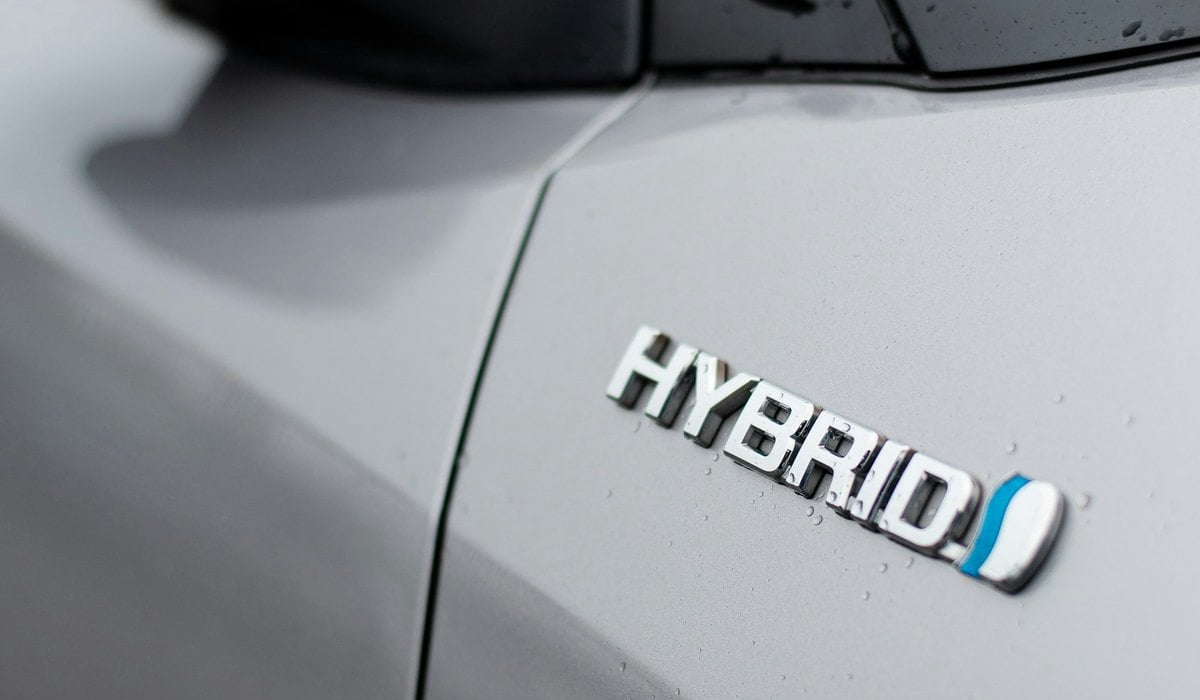
One thing to watch is that manufacturers label these systems inconsistently. You may see MHEV, mHEV, EQ Boost, TwinPower with 48V, B4 and B5 engines, EcoBoost Hybrid, or simply the word Hybrid on the boot. That last one causes the most confusion, because a badge saying Hybrid does not tell you whether you are looking at a mild hybrid or a full hybrid. Always check the specification rather than relying on the badge.
If you are specifically after a small hybrid that can run on electric power around town, you want a full hybrid rather than an MHEV. Our roundup of the best small hybrid cars in the UK covers the leading options.
Are Mild Hybrids Worth It?
For most drivers, the honest answer is that a mild hybrid is worth having but not worth paying a large premium for. The technology is genuinely useful, delivering modest fuel savings, smoother stop-start, and slightly lower emissions with no downsides in how you use the car. Because the system is light and simple, it also adds very little weight and has proved reliable in service.
The catch is that on many cars you no longer get a choice. Manufacturers have adopted mild hybrid systems widely to help meet emissions targets, so the MHEV version is often the only version available. Where that is the case, the question answers itself. Where you do have a choice between a mild hybrid and a conventional engine, the sensible test is whether the price difference will be recovered in fuel savings over the time you plan to keep the car.
If your driving is mostly urban and stop-start, a mild hybrid will earn its keep and a full hybrid may be better still. If you cover high motorway mileage, the benefit shrinks considerably and a modern efficient diesel or petrol may serve you better.

Conclusion
A mild hybrid car is a petrol or diesel car with a small electric motor and battery that assist the engine without ever being able to power the car alone. It never needs plugging in, it drives exactly like a conventional car, and it delivers a modest improvement in fuel economy of roughly 5 to 15 per cent, with the biggest gains in town driving.
What a mild hybrid will not do is give you electric running, cheaper road tax, or any exemption from ULEZ and the Congestion Charge. Treat it as a sensible efficiency upgrade rather than a step towards electrification, and check the specification carefully so you know whether the Hybrid badge on the car you are looking at means mild or full. If you are planning to finance your next car, Ayan offers halal car finance built on the Ijara structure, with a soft credit search at application that will not affect your credit score.
.png)