


.svg)


.jpg)

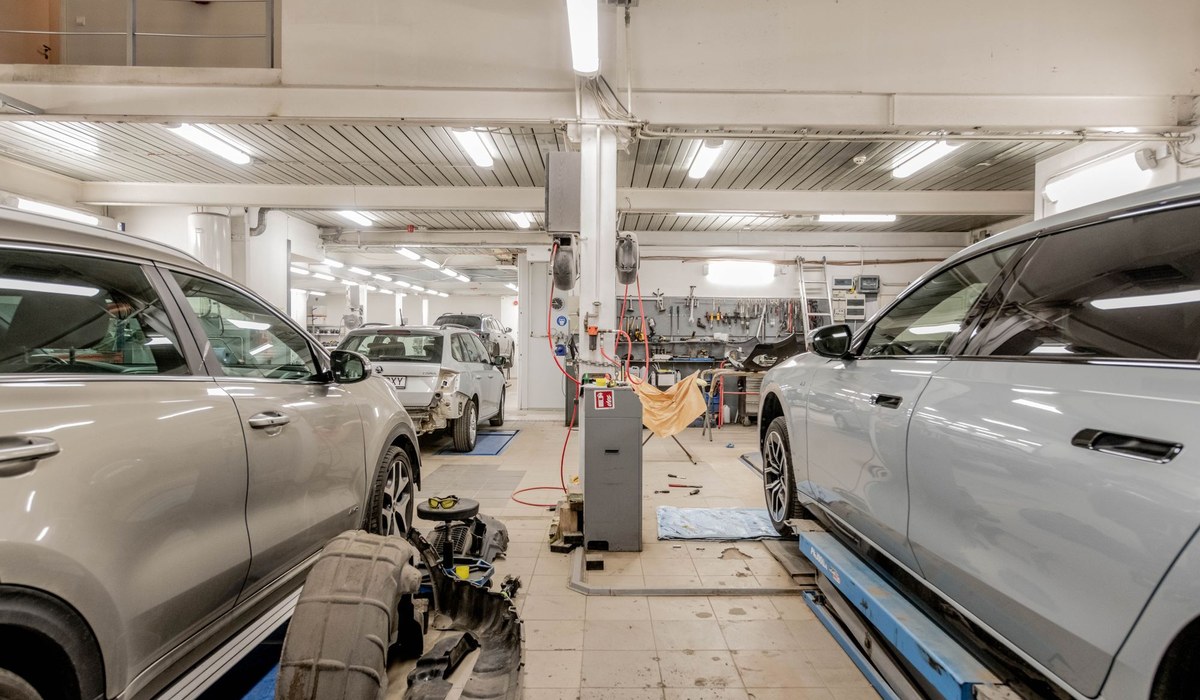
Servicing is one of those costs that is easy to put off. The car is driving fine, nothing is making a noise, and the garage wants a few hundred pounds to tell you what you already assume, which is that everything is working. So the reminder gets ignored, and then ignored again, until something expensive fails that a service would have caught months earlier.
The problem is that "a service" is not one fixed thing. Prices range from under a hundred pounds to well over four hundred depending on what is actually being done, what you drive, and where you take it. In this guide, we explain what each type of service includes, what you should expect to pay in 2026, how often your car actually needs one, and whether a main dealer is worth the extra money over an independent garage.
What Is a Car Service?
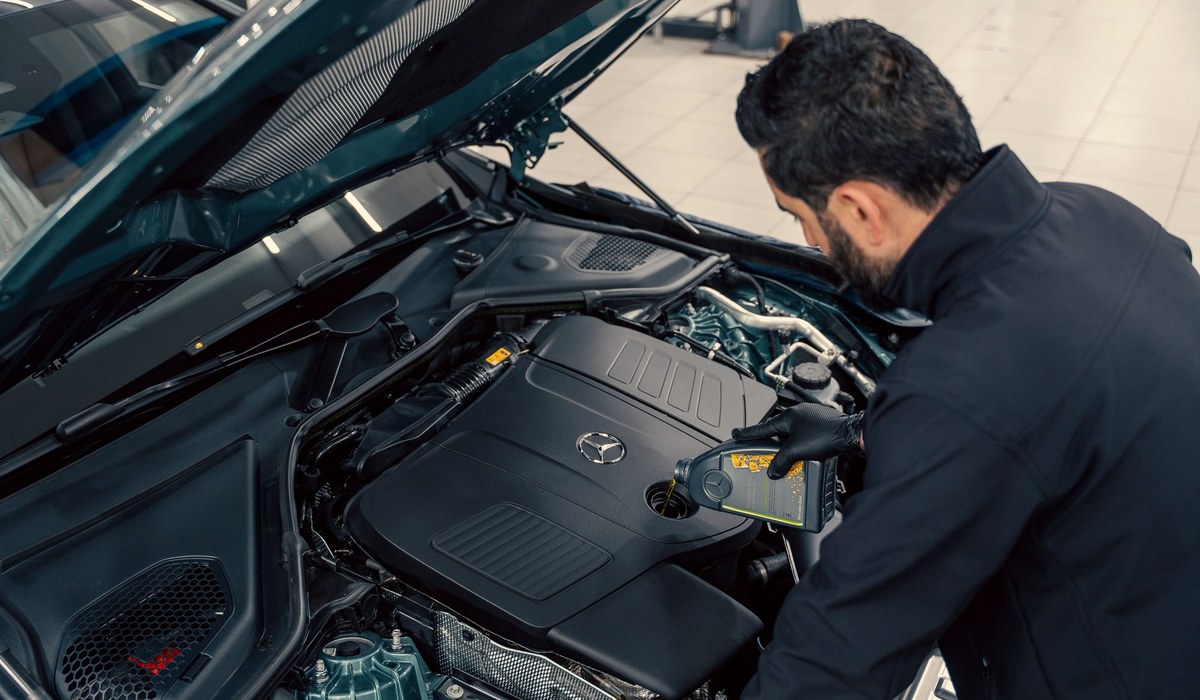
A car service is a planned inspection and maintenance job carried out to a schedule set by the manufacturer. Rather than waiting for something to break, a mechanic works through a list of checks and replacements designed to keep the car running properly and to catch wear before it becomes failure. At minimum that means draining and replacing the engine oil and fitting a new oil filter, then inspecting the parts that wear steadily over time, such as brakes, tyres, suspension components, and the drive belt.
The schedule itself comes from the manufacturer, not from the garage. Every car has a specified service plan setting out which items are checked or replaced at which mileage, and that plan is what a garage should be working to. This is why two cars of similar age can need quite different work on the same day, and why the price varies so much between models.
What a service is not is a guarantee that nothing will go wrong. It is a snapshot of the car's condition on that day, combined with the scheduled replacement of parts that degrade predictably. A service will not catch an electrical fault that has not yet appeared, and it will not stop a component failing early. What it does is remove the failures that come from neglect, and those are the ones that cost the most.
Interim, Full and Major Services Explained
Most UK garages offer three tiers of service, and understanding the difference is the single most useful thing you can do before booking. The names vary slightly between garages, but the structure is consistent across the industry.
Interim Service
An interim service is the basic option, usually built around an oil and oil filter change plus a set of safety and fluid level checks. It typically covers lights, tyres, brakes, steering, suspension, wipers, and the levels of coolant, brake fluid, and screenwash. It is designed as a halfway check for drivers covering higher mileage, sitting between full services rather than replacing them.
An interim service is not a substitute for a full service and will not keep a manufacturer service schedule up to date on its own. If you cover average mileage and only ever book interim services, you will gradually fall behind on the items a full service replaces.
Full Service
A full service is the annual job most drivers need. It includes everything in an interim service and adds the scheduled replacements the manufacturer specifies for that point in the car's life, commonly the air filter, cabin or pollen filter, and spark plugs on a petrol engine. It usually also includes a brake fluid check or change and a more thorough inspection of the exhaust, cooling system, and steering components.
This is the service that keeps a service history complete, which matters more than most people realise when it comes time to sell. A full service typically takes around three hours, so most garages will want the car for the best part of a day.
Major Service
A major service comes around every two years or so and covers the larger scheduled items that do not need doing annually. Depending on the car, that can include the fuel filter, coolant change, gearbox oil, and on some engines the timing belt, which is by far the most expensive item on the list and the one that causes catastrophic damage if it is left too long and snaps.
Because the parts involved are heavier and the labour longer, a major service costs noticeably more than a full service. It is worth asking the garage well in advance whether your next service is a major one, so the bill is not a surprise.

How Much Does a Car Service Cost in the UK?
As a rough guide, an interim service usually costs somewhere between £80 and £150. A full service typically runs from around £170 to £400, with most drivers of ordinary family cars landing in the £200 to £300 range. A major service sits above that again, and where a timing belt is due, the total can move past £500 on its own.
The single biggest factor is the size and type of the car. A small city car with a 1.0 litre engine sits at the bottom of those ranges because it takes less oil, has cheaper filters, and is quicker to work on. A large SUV or a premium saloon sits at the top, sometimes well above it, because it takes more oil, uses more expensive parts, and often needs specialist equipment. Diesel models can cost more again where a fuel filter or particulate filter is involved.
Location matters too. Labour rates in London and the South East are considerably higher than in most of the rest of the country, and the same service on the same car can differ by a hundred pounds or more depending on the postcode. Prices quoted here are based on September 2026 figures and are a guide only, so it is always worth getting two or three quotes from local garages before booking.
How Often Should You Service Your Car?
The standard interval is every 12 months or 12,000 miles, whichever comes first. That "whichever comes first" is the part people miss. A car that covers 4,000 miles a year still needs an annual service, because oil degrades with time and use, not mileage alone, and a car that sits unused has its own problems with moisture, corrosion, and battery condition.
Some newer cars use variable or long-life servicing instead, where the car itself monitors driving conditions and tells you when a service is due, sometimes stretching to two years or around 18,000 to 20,000 miles. If your car works on this system, follow what the car tells you rather than the traditional annual rule, but be aware that long-life intervals suit steady motorway driving far better than short, cold, stop-start journeys.
If you cover high mileage, the usual approach is a full service once a year with an interim service at the halfway point, roughly every six months or 6,000 miles. Your exact schedule is in the owner's handbook, and if you do not have one, the manufacturer's UK website will list the service plan for your model.
What Is Checked During a Service?
The exact list depends on the tier of service and the manufacturer's schedule, but the core of any service is the oil and filter change. Old engine oil loses its ability to lubricate and carries abrasive particles around the engine, so replacing it on schedule is the cheapest protection you can buy for the most expensive part of the car. If you want to keep an eye on this between services, our guide on how to check your car's engine oil walks through it, and what oil goes in my car covers choosing the right grade.
Beyond the oil, a mechanic will check brake pad and disc wear, tyre tread depth and condition including the spare, all exterior lights, wiper blades, the exhaust system, the battery, the suspension and steering, and the levels and condition of coolant, brake fluid, and power steering fluid where fitted. On a full service they will replace the air filter and cabin filter, and on a petrol car the spark plugs if they are due.
You should get a written record of everything checked, along with an advisory list of anything that is wearing but not yet urgent. Keep these. An advisory saying the front pads are at 4mm this year tells you to budget for brakes next year, and that kind of forward warning is a large part of what you are paying for.
Is a Service the Same as an MOT?
No, and confusing the two is one of the most common and most expensive misunderstandings in car ownership. An MOT is a legal test that checks whether your car meets the minimum safety and environmental standards to be on the road. It is pass or fail, it is required annually once a car is three years old, and it is set by law rather than by the manufacturer.
A service is voluntary maintenance carried out to the manufacturer's schedule. Nobody will prosecute you for skipping one, but an MOT pass does not mean your car has been maintained, only that it met the minimum standard on the day of the test. A car can pass its MOT comfortably and still be four years overdue an oil change.
Many garages offer both together, which is convenient and often cheaper as a bundle, but they remain two separate jobs with two separate purposes. If you are unsure when yours is due or whether your car needs one at all, our guide on whether your car needs an MOT covers the rules and exemptions, and you can check your current status for free on gov.uk.
Main Dealer or Independent Garage?
A main dealer will almost always be the more expensive option, sometimes by a factor of two. In return you get technicians trained on your specific model, manufacturer diagnostic equipment, genuine parts, and a stamp in the service book from the brand itself. For a car still under manufacturer warranty, or a premium model with complex electronics, that can be worth paying for.
The persistent myth is that servicing elsewhere voids your warranty. It does not. Under the Motor Vehicles Agreements Block Exemption Order which came into force on 01/06/2023 and runs until 31/05/2029, you are free to have your car serviced at any garage without losing your warranty, provided the work follows the manufacturer's service schedule, uses parts of matching quality, and is properly documented. A manufacturer can still reject a claim where poor workmanship or an unsuitable part caused the fault, which is a fair limit rather than a loophole.
For most drivers with a car past its warranty period, a good independent garage offers the better value by a wide margin. The thing to check is that they will stamp the service book or update the digital service record, and that they work to the manufacturer schedule rather than a generic checklist. A specialist independent who knows your marque well is often the best of both options.
Does Servicing Affect Your Car's Value?
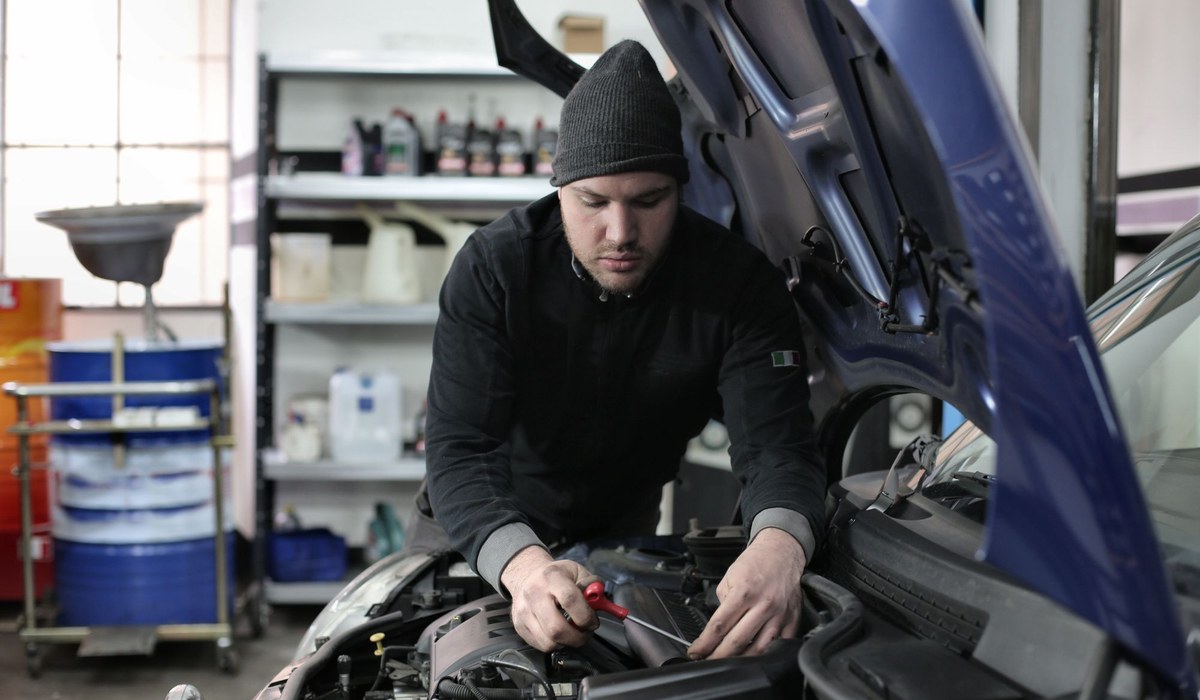
Significantly, and more than most owners expect. A full service history is one of the first things a buyer or a dealer looks for, because it is the only real evidence that a car has been looked after rather than simply driven. Two identical cars with the same mileage can differ by several hundred pounds on price purely on the strength of the paperwork behind them.
Gaps in the history are difficult to explain away and easy for a buyer to use as leverage. A missing year raises the obvious question of what else was skipped, and since the buyer cannot verify the answer, they price in the risk. This applies whether you are selling privately or part-exchanging, and it applies to digital service records just as much as the old paper book.
The practical point is that servicing is rarely as expensive as it first appears, because a meaningful part of the cost comes back to you at resale. If you are weighing up what your car is currently worth, our guide on how much your car is worth explains how the main valuation tools work and what they take into account.
How to Keep Servicing Costs Down
The most effective step is simply to get more than one quote. Prices for the same work on the same car vary widely between garages in the same town, and comparison sites that let you enter your registration and see local quotes make this straightforward. Ask specifically what is included, because a cheap headline price that excludes the parts is not a saving.
Beyond shopping around, a few habits genuinely reduce the bill:
- Book a full service annually rather than skipping years, because deferred maintenance almost always costs more than it saves
- Check your oil, coolant, screenwash, and tyre pressures yourself between services so small problems do not become large ones
- Ask for the old parts back or at least to see them, which is a reasonable request and keeps everyone honest
- Get advisories in writing so you can plan and budget for work rather than being surprised by it
- Consider a fixed-price service plan if your manufacturer offers one, but do the arithmetic first, as they do not always work out cheaper
- Avoid bundling non-urgent advisory work into the same visit unless you have agreed the price in advance
One thing not worth economising on is the oil grade. Using a cheaper oil that does not meet the manufacturer's specification saves a small amount now and risks engine damage that no warranty will cover later.
Conclusion
Car servicing is best thought of as a running cost rather than an occasional expense, in the same category as insurance and road tax. Budgeting somewhere between £200 and £300 a year for a full service on an average car, with more set aside in a major service year, turns it from an unwelcome bill into a predictable part of running a vehicle.
The two decisions that matter most are keeping to the schedule and choosing a garage that documents its work properly. Do both and you protect the car mechanically, protect its resale value, and avoid the much larger bills that come from neglect. If you are currently weighing up a used car, checking the service history carefully is one of the most useful things you can do, and our guide on whether you should buy a used car covers what else to look for.