


.svg)


.jpg)

If you have spent any time browsing car listings in the UK, you will have seen the word saloon used constantly. It sits alongside hatchback, estate, SUV, and coupe as one of the main body styles, but it is rarely explained. For anyone buying their first car, or simply trying to work out what actually separates one shape from another, it is a genuinely useful thing to understand.
A saloon car is one of the oldest and most recognisable car body styles on the road, and it is still the default shape for executive and company cars across Britain. In this guide, we explain exactly what a saloon car is, where the name comes from, how it differs from a hatchback, the different types you can buy, and whether one is likely to suit the way you drive.
What Is a Saloon Car?
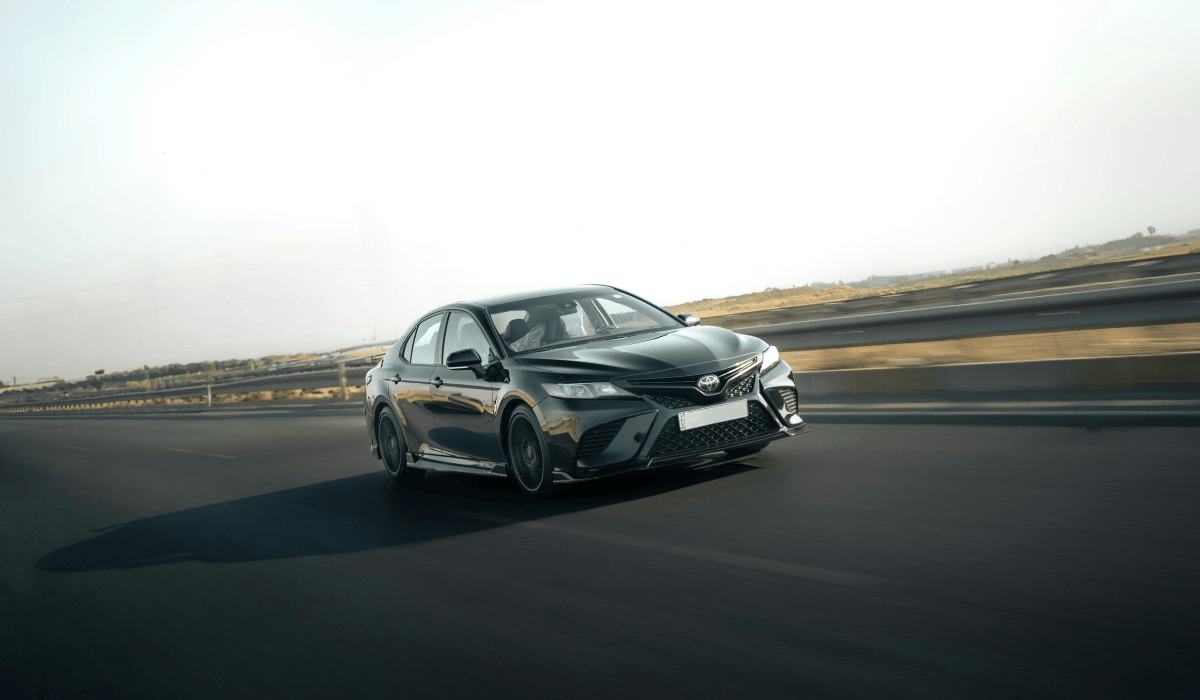
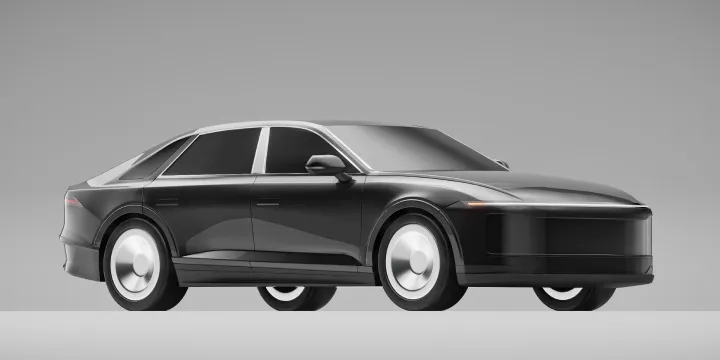
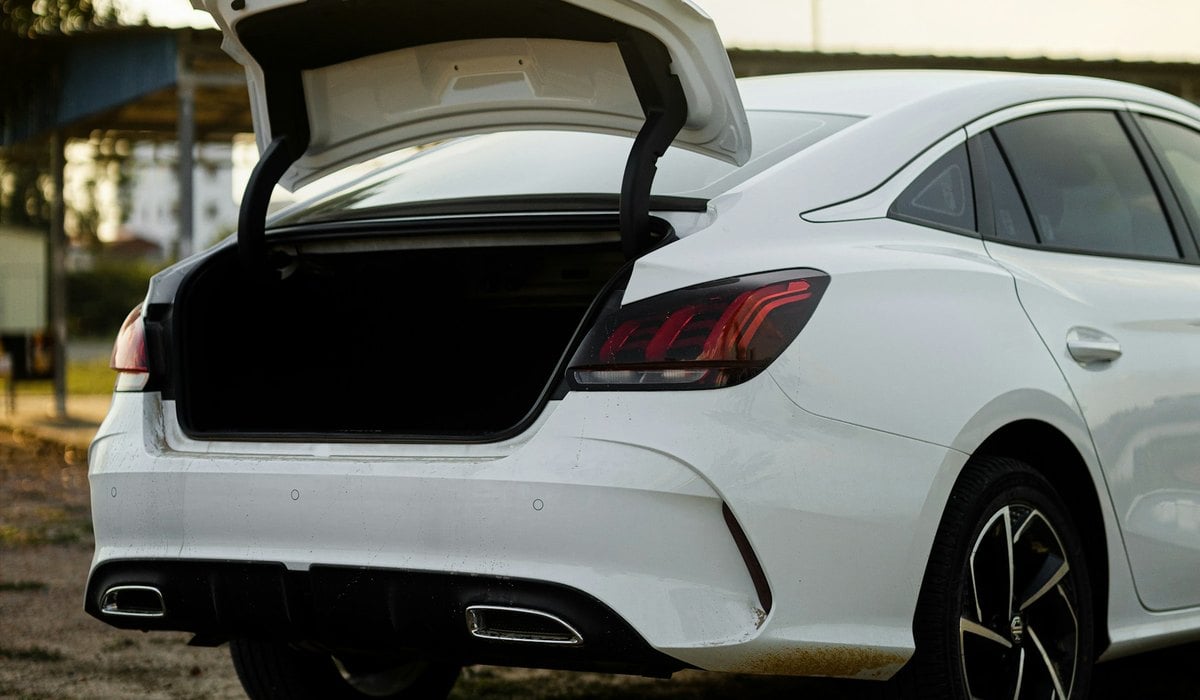
A saloon car is a car with a three-box design, meaning the body is divided into three separate compartments: the engine bay at the front, the passenger cabin in the middle, and a completely enclosed boot at the rear. Each section is visually and structurally distinct, which is what gives saloons their familiar stepped profile with a clear bonnet, roofline, and boot.
The defining feature is that the boot is sealed off from the passenger cabin. When you open the boot lid on a saloon, you are lifting only the boot itself. The rear windscreen stays fixed in place as part of the car's bodywork. This is the single most important detail, because it is exactly what separates a saloon from a hatchback, where the rear window lifts up as part of a much larger tailgate.
Saloons almost always have four doors plus the boot lid, and they typically seat five people. They tend to be longer than an equivalent hatchback, sitting low and level rather than tapering at the back, which is where they get their traditionally elegant, formal appearance.
Why Is It Called a Saloon Car?
The term dates back to the early days of motoring. Before enclosed cars were common, most vehicles were open-topped, and passengers were exposed to the weather. When manufacturers began producing cars with a fully enclosed passenger compartment, the comfortable interior space was likened to a saloon, an older word for a large, comfortable room used for receiving guests. The name stuck, and it has described this body style in Britain ever since.
If you have read American car reviews, you will have seen the same shape called a sedan. Saloon and sedan mean exactly the same thing, they are simply the British and American terms for an identical body style. The word sedan comes from the sedan chair, an enclosed seat carried on poles, which similarly emphasised the idea of a protected, enclosed space for the person inside.
In the UK, you will only ever see saloon used officially on registration documents, manufacturer brochures, and classified listings. It is worth knowing both words if you are researching a car online, because reviews from American publications and international spec sheets will often use sedan for models sold here as saloons.
Key Features of a Saloon Car
Beyond the three-box shape, saloons share a set of common characteristics. The boot is deep and enclosed, accessed by a separate lid, and typically offers a generous amount of luggage space, though it opens through a smaller aperture than a hatchback's tailgate. The rear seats usually fold in a 60:40 split on modern cars, which gives you a pass-through into the boot for longer items, though nothing like the open loading space of a hatchback or estate.
Inside, saloons tend to prioritise passenger comfort over outright versatility. The longer body usually translates into more rear legroom than you would get in a similar-sized hatchback, and the sealed boot means road noise from the rear of the car is much better isolated from the cabin. This is one of the main reasons saloons feel quieter and more refined on motorway journeys.
Saloons also tend to have a slightly lower centre of gravity and a longer wheelbase than equivalent hatchbacks, which contributes to a more settled, planted feel at speed. The trade-off is that the extra length can make them a little less convenient to park in tight urban spaces.
Saloon vs Hatchback: What Is the Difference?
The core difference comes down to the back of the car. A hatchback has a large rear tailgate that includes the rear windscreen and hinges from the roof, opening the boot and the cabin into one continuous space. A saloon has a separate boot lid that leaves the rear window in place, keeping the luggage area completely sealed off from where the passengers sit.
That single structural difference has knock-on effects throughout the car. Hatchbacks are more practical for bulky or awkwardly shaped items because the opening is far larger and the load space is continuous when you fold the seats. Saloons offer better security and refinement, because luggage is hidden entirely from view and the cabin is better insulated from the boot.
Neither is objectively better, they simply suit different priorities. If you are weighing the two up before buying, our full comparison of saloon vs hatchback goes through boot space, running costs, resale value, and driving experience in detail.
Types of Saloon Car
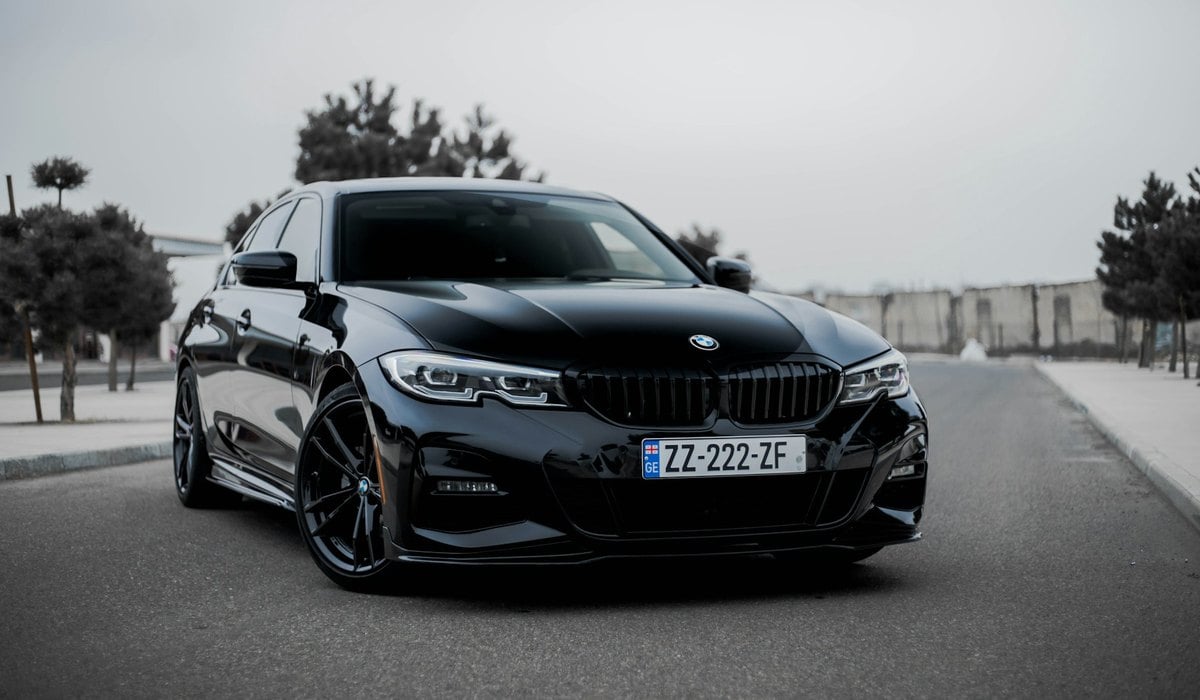
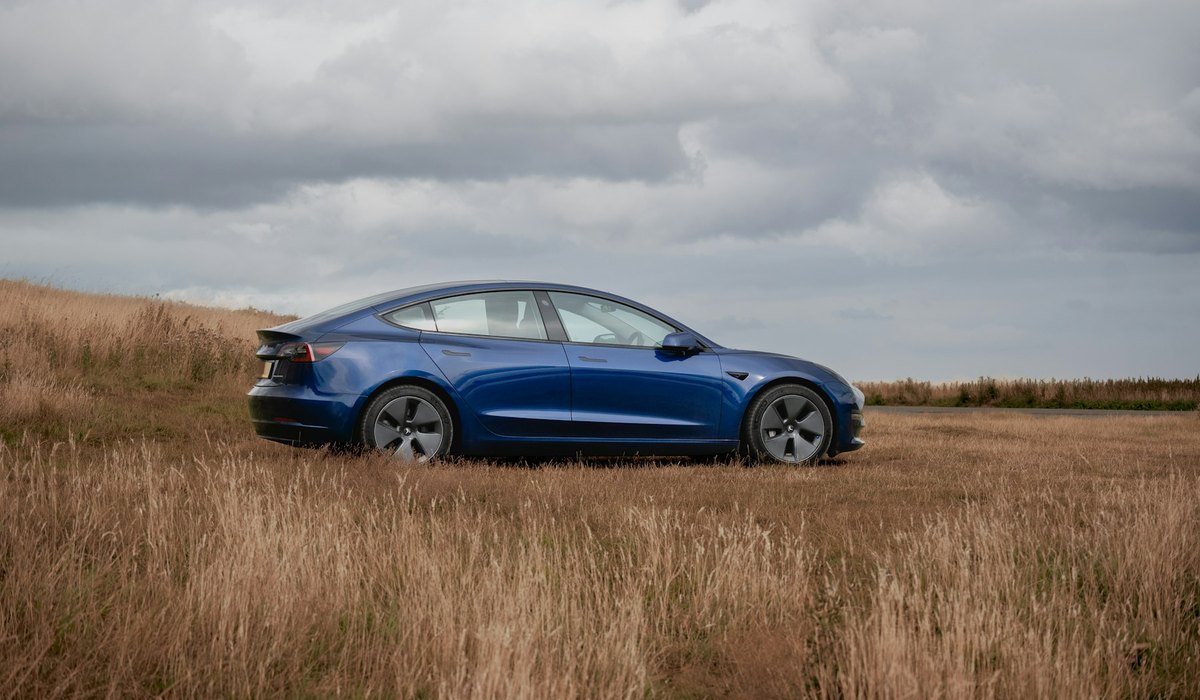
Saloons are usually grouped by size and market position. Compact saloons are the smallest, offering saloon proportions in a footprint close to a family hatchback. Compact executive saloons sit above them and make up one of the most competitive segments in the UK, home to the BMW 3 Series, Audi A4, and Mercedes-Benz C-Class, all of which are hugely popular as company cars.
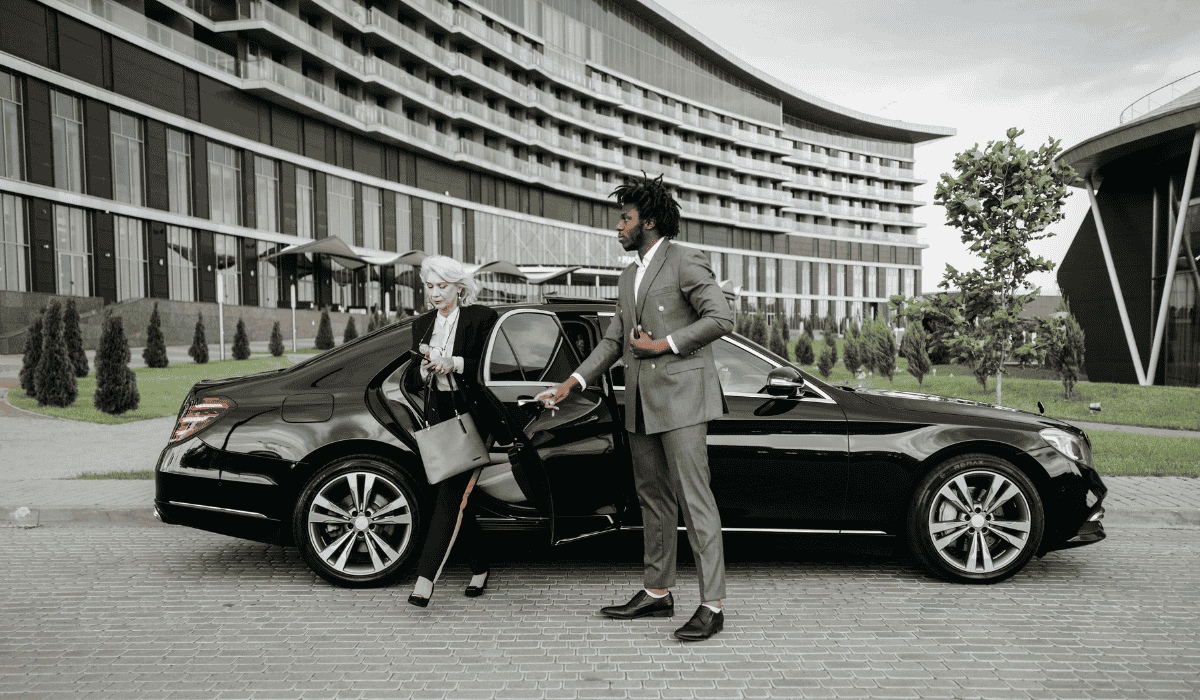
Executive and full-size saloons are larger again, with the BMW 5 Series and Mercedes-Benz E-Class as familiar examples. These prioritise rear passenger space, ride comfort, and long-distance refinement, which is why they are so often used as private hire and chauffeur vehicles. Above them sit luxury saloons, the flagship models that showcase a manufacturer's most advanced technology and materials.
There are also sports saloons, which take a conventional saloon body and add significantly more power, firmer suspension, and sharper steering. The appeal is being able to carry four adults and their luggage in comfort while still having genuine performance available, which makes them a popular choice for drivers who want one car to do everything.
The Advantages of a Saloon Car
The biggest practical advantage is security. Because the boot is completely enclosed and separated from the cabin, anything you leave inside is hidden from view and inaccessible without opening the boot lid. For anyone who regularly carries work equipment, shopping, or luggage, this is a meaningful benefit over a hatchback where the load area is visible through the rear window.
Refinement is the other major draw. The bulkhead between the boot and the cabin blocks a considerable amount of road and tyre noise, which makes saloons noticeably quieter at motorway speeds. Combined with the typically longer wheelbase, this makes them well suited to drivers who cover a lot of miles or spend a lot of time on dual carriageways.
Saloons also tend to offer more rear legroom than a hatchback built on the same platform, and many buyers simply prefer the way they look. The traditional three-box shape reads as more formal and more grown-up, which is part of why it remains the standard choice in the executive and company car market.
The Drawbacks of a Saloon Car
Practicality is the main compromise. Even when a saloon's boot has a large capacity on paper, the opening is smaller and awkwardly shaped compared with a hatchback's tailgate, which makes loading bulky items considerably harder. A flat-pack wardrobe, a bicycle, or a large pushchair that would slide easily into a hatchback may simply not fit through a saloon's boot aperture.
Folding the rear seats helps, but it does not transform the car in the way it does with a hatchback or estate. You get a pass-through rather than a genuinely open load bay, so long items can be accommodated but tall ones cannot. If you regularly transport anything large or oddly shaped, this limitation will make itself felt quickly.
The extra length is the other consideration. Saloons are usually longer than the equivalent hatchback, which can make parking in tight city spaces and multi-storey car parks more of a challenge. For drivers doing most of their mileage in town, a smaller body style is often the easier daily companion.
Popular Saloon Cars in the UK
The compact executive segment dominates saloon sales in Britain. The BMW 3 Series has been the benchmark for decades and remains one of the most common saloons on UK roads, valued for its balance of driving enjoyment and everyday usability. The Audi A4 and Mercedes-Benz C-Class are its closest rivals, both offering strong interior quality and a wide choice of efficient engines, and all three are staples of the company car market.
Moving up a size, the BMW 5 Series and Mercedes-Benz E-Class are the established choices for buyers who want maximum rear space and long-distance comfort. Both are widely used in the private hire and executive travel sectors, which speaks to their durability and passenger comfort over high mileages.
Electric saloons have also become a significant part of the market. The Tesla Model 3 is among the best-known electric cars in the UK and uses a saloon body style, and most major manufacturers now offer an electric or hybrid saloon in their range. If you are considering one for family use, it is worth reading our guide to the best family cars alongside this one, as the right body style depends heavily on how you actually use the car day to day.
Conclusion
A saloon car is defined by its three-box design and, above all, by its separate enclosed boot. That one structural feature is what gives saloons their distinctive look, their quieter cabins, their extra security, and their reduced practicality compared with a hatchback of similar size.
Whether a saloon is right for you depends less on the badge and more on your journeys. If you cover long motorway miles, carry passengers regularly, and value a quiet, comfortable, secure car, a saloon makes a great deal of sense. If your driving is mostly urban and you frequently carry bulky loads, a hatchback or estate will serve you better. Work out how you genuinely use your car week to week, and the right body style usually becomes obvious.
.png)