




.svg)


.jpg)

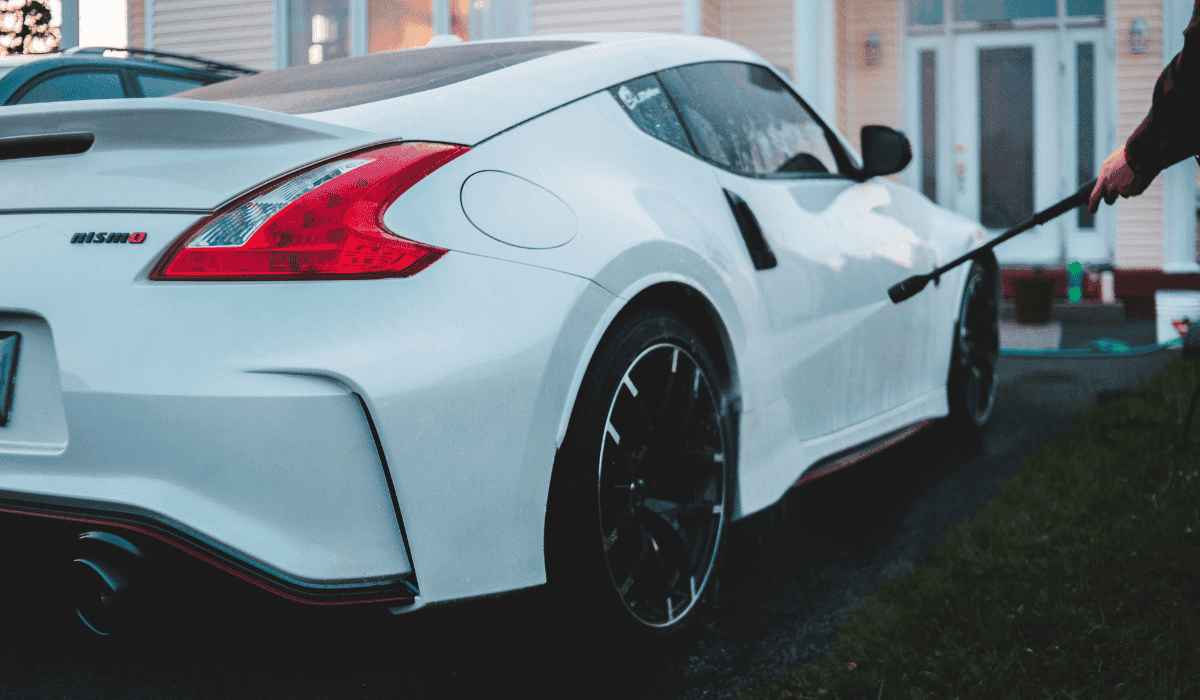
Keeping your car clean is about more than appearance. And of course, appearance matters too. Regularly washing your vehicle helps remove dirt, road salt, and contaminants that can damage paintwork over time. Especially in the rainy UK, where weather conditions can leave cars covered in mud and grime.
Many drivers rely on quick automated washes, but washing your car properly at home can often produce better results while helping you spot small issues like scratches or tyre wear. This guide explains how to wash your car safely and effectively...
Why Washing Your Car Regularly Matters
Regular car washing removes dirt, salt, bird droppings, and pollutants that can gradually damage paintwork. These contaminants can cause staining or corrosion if left on the surface for long periods.
Cleaning your car also improves visibility and safety by keeping windows, mirrors, and lights clear. A well-maintained car can help preserve the vehicle’s overall condition and make routine inspections easier.
What You Need Before You Start
Before washing your car, it’s useful to gather the right tools. Basic supplies typically include car shampoo, a bucket, a wash mitt or sponge, microfibre cloths, and clean water.
Using products designed specifically for cars is important because household detergents can strip protective coatings from the paint. Microfibre materials are also preferred as they reduce the risk of scratching the surface.
Preparing your equipment in advance helps make the process simpler and ensures the car can be cleaned properly without rushing.
Step 1: Rinse the Car First
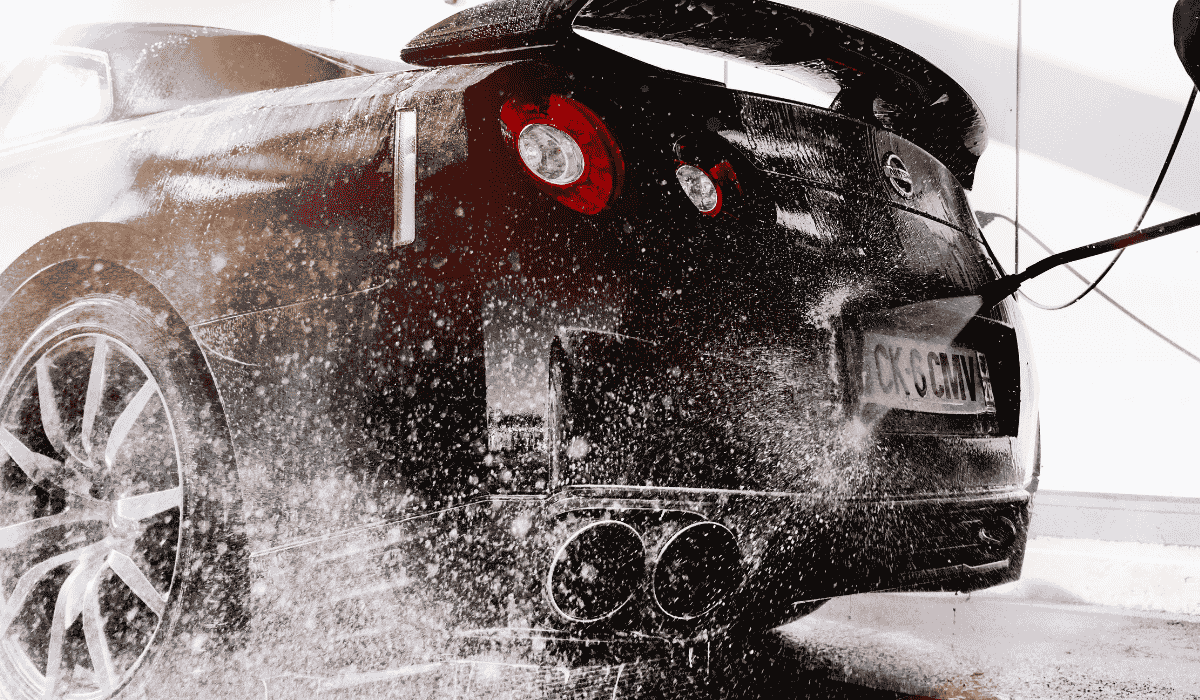
Start by rinsing the entire vehicle with water to remove loose dirt and debris. This helps prevent scratching when you begin washing the surface.
Pay particular attention to areas where dirt builds up, such as wheel arches, bumpers, and lower panels. A gentle rinse also softens dried mud or grime, making it easier to clean during the next step.
Beginning with a rinse is an important part of proper car washing and helps protect the paint.
Step 2: Wash Using the Two-Bucket Method
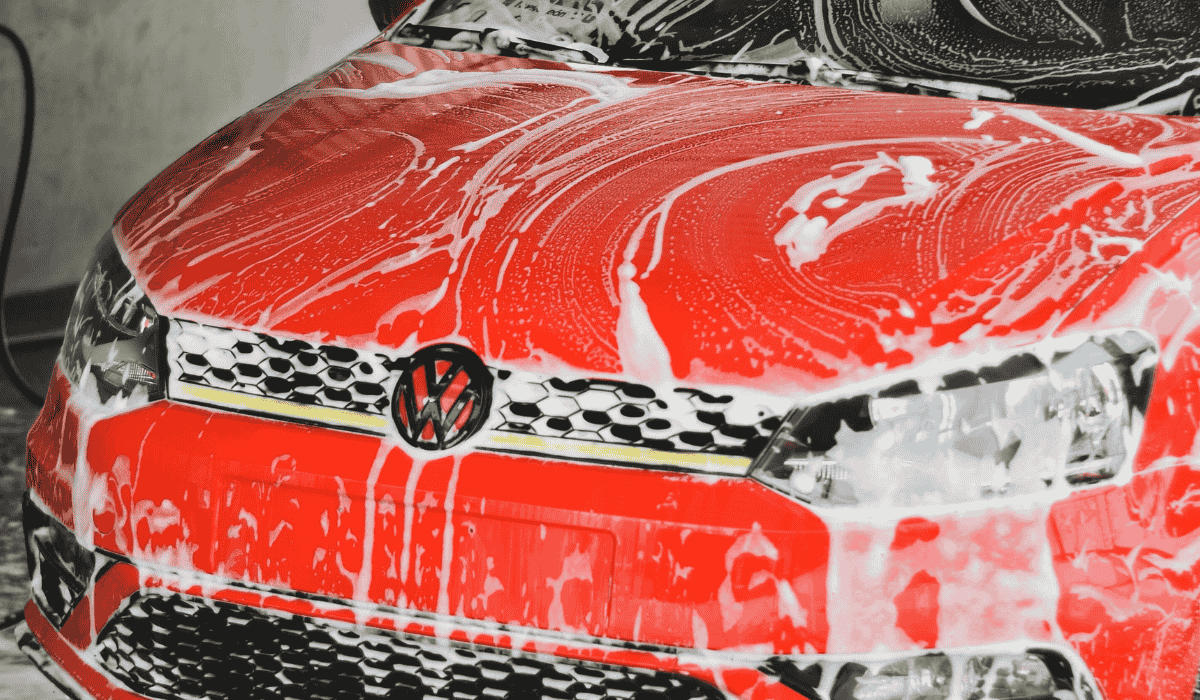
The two-bucket method is commonly recommended by car care experts. One bucket contains soapy water and the other contains clean water for rinsing your sponge or wash mitt.
This method helps reduce the risk of spreading dirt back onto the paintwork. By rinsing your sponge in clean water before dipping it back into the soap bucket, you minimise the chances of scratching the surface.
Work from the top of the car downwards, as the upper panels are usually cleaner than the lower sections.
Step 3: Clean Wheels and Tyres
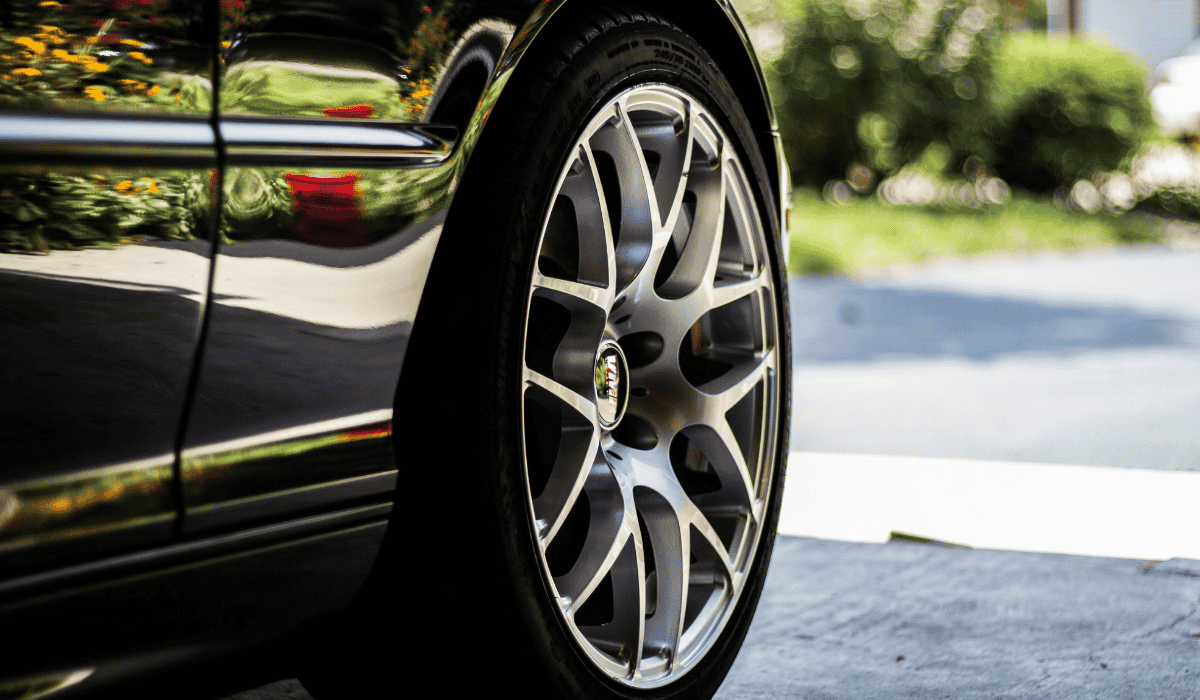
Wheels often collect the most dirt, brake dust, and road grime. Cleaning them separately helps avoid spreading this heavier contamination onto the paintwork.
Using a dedicated wheel brush or sponge can help reach tight areas around the rims. Some drivers also use specific wheel cleaners designed to break down brake dust.
Cleaning the tyres and wheel arches properly can significantly improve the overall appearance of the car.
Step 4: Rinse and Dry the Car Properly
Once the car has been washed, rinse it thoroughly to remove all soap residue. Leaving soap on the paintwork can cause streaks or marks once the car dries.
After rinsing, use a clean microfibre towel or drying cloth to dry the car. Air drying may leave water spots, especially in sunny weather.
Drying the car carefully helps maintain a clean, polished finish.
Step 5: Protect the Paintwork
After washing and drying the car, some drivers apply wax or protective sealants. These products add a protective layer that can help repel water and dirt.
Protective coatings also make future washes easier because contaminants are less likely to stick to the paintwork.
While optional, applying protection periodically can help maintain the car’s appearance for longer.
Washing your car properly doesn’t require professional equipment, but using the right method makes a significant difference. From rinsing first to using the two-bucket method, simple techniques can help protect the paintwork.
Regular cleaning not only keeps your car looking good but also helps maintain its condition over time. With the right approach, washing your car can be a quick, fun and satisfying part of car maintenance.