


.svg)


.jpg)


If you own or drive a vehicle in the UK, you’re required to pay road tax, officially known as Vehicle Excise Duty (VED). Many drivers are unsure how it works, how much it costs, and whether their vehicle qualifies for reduced or zero tax.
This guide explains what road tax is, how much you pay in 2026, and how rates are calculated, helping you understand your obligations and avoid penalties.

What Is Road Tax (Vehicle Excise Duty)?
Road tax, formally called Vehicle Excise Duty (VED), is a tax charged by the UK government for using a vehicle on public roads. It applies to most cars, vans, and motorcycles.
Although often referred to as “road tax,” the amount you pay depends largely on your vehicle’s emissions and registration date. Even if your vehicle qualifies for a £0 rate, you must still tax it officially.
How Much Is Road Tax in 2026?
How much road tax you pay in 2026 depends on when your vehicle was first registered and its CO₂ emissions. For most petrol and diesel cars registered after April 2017, a standard annual rate applies after the first year.
Newer vehicles may also face a higher first-year rate based on emissions, sometimes referred to as the “showroom tax.” Vehicles with a list price above a certain threshold may incur an additional supplement for several years.
Because rates can change annually, it’s important to check the most recent figures on the official government website before budgeting.
How Is Road Tax Calculated?
Road tax rates are calculated primarily using CO₂ emissions bands for most modern vehicles. The more emissions your car produces, the higher the first-year rate is likely to be.
For older vehicles, taxation may instead be based on engine size or different emissions rules that were in place at the time of registration. Hybrid and alternative fuel vehicles may qualify for reduced rates compared to standard petrol or diesel cars.
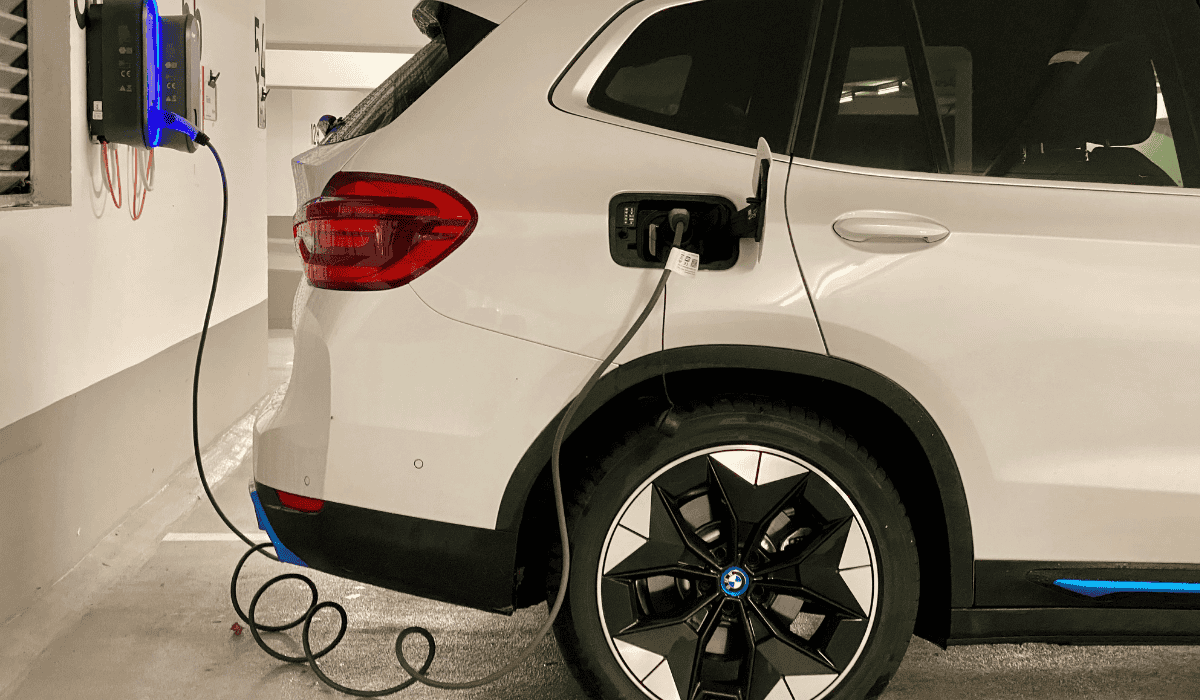
Do Electric Cars Pay Road Tax?
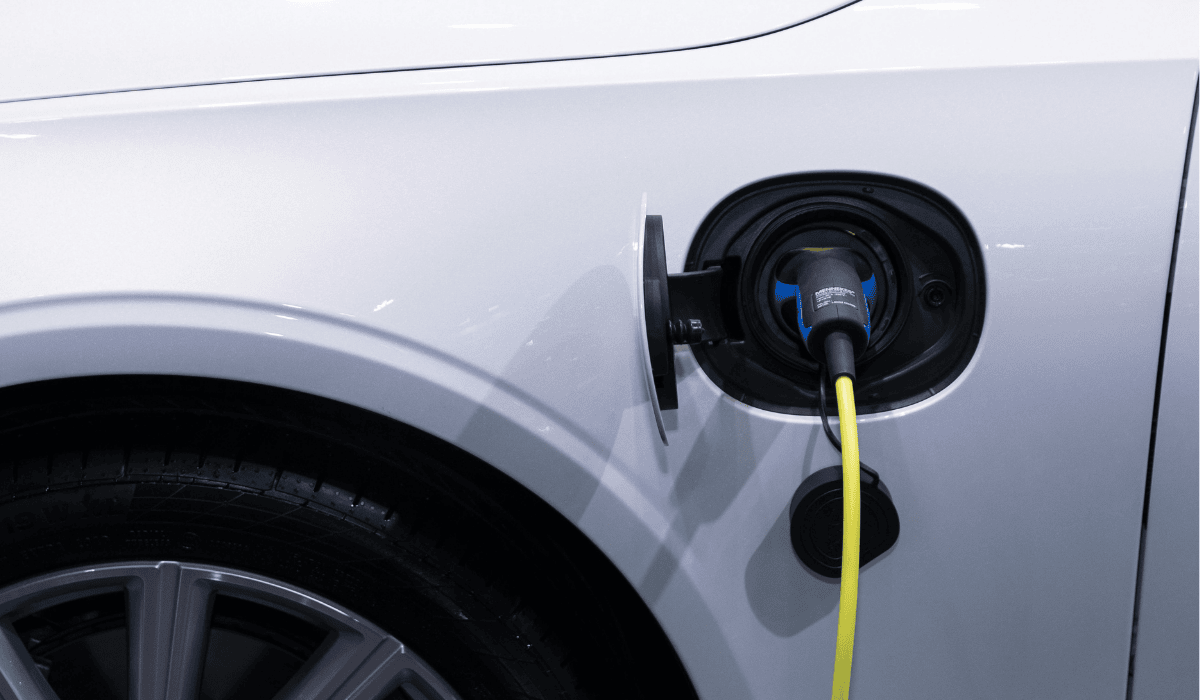
Historically, many fully electric vehicles qualified for a £0 VED rate. However, changes introduced by the government mean that from 2025 onwards, most new electric vehicles are subject to standard VED rates.
This means EV owners should check current rules carefully, as tax exemptions are evolving. While EVs remain cheaper to run in many cases, they are no longer automatically exempt from road tax.
How to Check and Pay Your Road Tax
You can tax your vehicle through several different methods. Drivers can complete the process online via the government website, over the phone, or in person at a participating Post Office. Regardless of the method you choose, you’ll need your vehicle registration details along with either your V5C logbook or the green new keeper slip from the log book if you've just bought it.
When it comes to payment, you have flexibility. Road tax can be paid annually in one full payment, split into two six-month payments, or spread across monthly instalments using Direct Debit. Paying for the year upfront is typically the most cost-effective option overall, but spreading payments may suit drivers who prefer to manage cash flow more evenly.
If you choose the six-month option, it’s wise to set a reminder to avoid missing the renewal date. Driving without valid road tax can result in fines, so keeping track of payment schedules is essential for staying compliant.
See official guidance here: https://www.gov.uk/vehicle-tax

Conclusion
Understanding what road tax is and how much you pay in 2026 helps you plan vehicle ownership costs more effectively. Rates depend on emissions, registration date, and vehicle type, so checking the latest guidance is essential.
By staying informed about your road tax obligations, you can avoid penalties and ensure your vehicle remains legally compliant on UK roads.