


.svg)


.jpg)

If you have been browsing used cars online, you have probably come across listings marked as "Cat N" and wondered what it means. A Cat N label tells you that the car has been written off by an insurance company - but it does not necessarily mean the car is unsafe or unusable. In many cases, it simply means the cost of repairs was higher than the insurer considered worthwhile.
In this guide, we explain what a Cat N car actually is, how it differs from other write-off categories, and what you need to know before deciding whether one is right for you.
What Does Cat N Mean?
Cat N stands for Category N, where the "N" refers to non-structural damage. It is one of four insurance write-off categories used in the UK, introduced in October 2017 when the older A, B, C, and D system was replaced. A car is given a Cat N classification when an insurer decides the cost of repairing it exceeds the vehicle's market value - but crucially, the damage does not affect the car's structural frame or chassis.
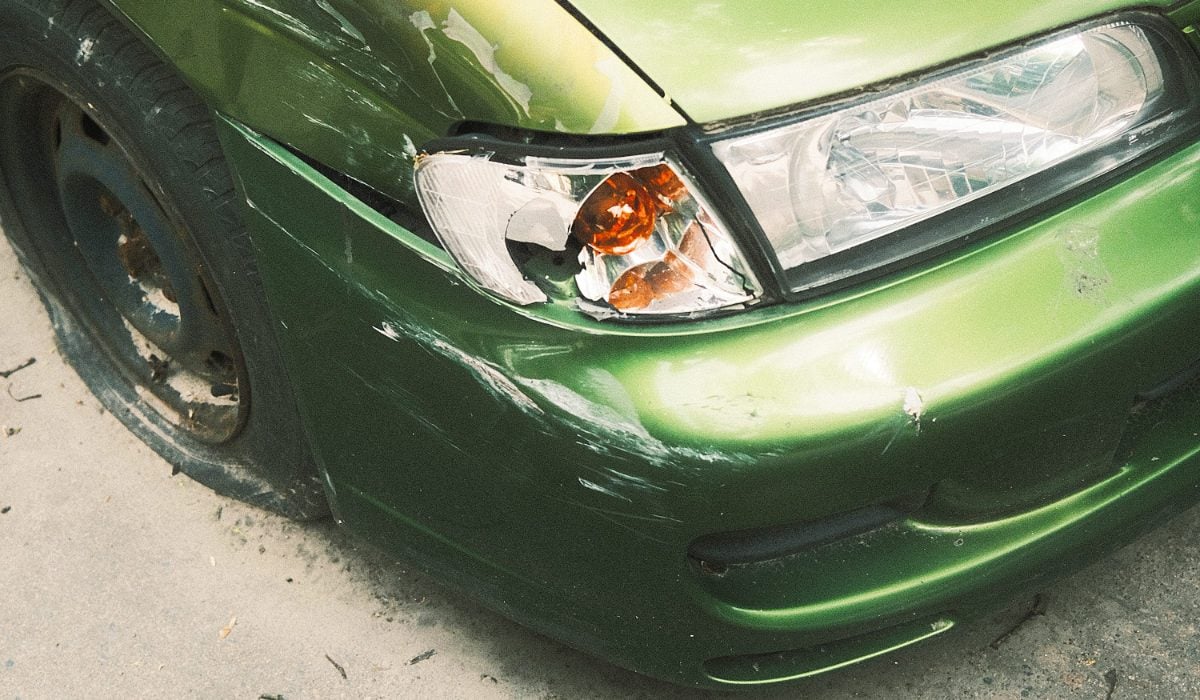
The types of damage that lead to a Cat N classification can vary widely. It could be cosmetic issues like dented body panels, scratched bumpers, or damaged paintwork. It could also involve electrical faults, interior damage from flooding, or problems with components like the sat nav, lights, or sensors. In some cases, a car may be classified as Cat N after a relatively minor incident simply because it is an older or lower-value vehicle where even a modest repair bill exceeds what the car is worth.
How Is Cat N Different from Other Write-Off Categories?
The UK uses four write-off categories, and understanding the differences is important. Category A is the most severe - these cars must be crushed entirely, with no parts salvaged. Category B vehicles are also too damaged to return to the road, but usable parts can be removed before the shell is destroyed. Neither Cat A nor Cat B cars can ever legally be driven again.
Category S covers cars with structural damage - meaning the chassis, frame, or crumple zones have been compromised. These cars can be repaired and returned to the road, but they must be re-registered with the DVLA and inspected before they are driven. Category N, by contrast, covers non-structural damage only. Because the underlying structure of the car is intact, Cat N vehicles do not need to be re-registered with the DVLA after repair, which makes the process of getting them back on the road simpler than Cat S.
Can You Drive a Cat N Car Legally?
Yes. A Cat N car can be legally driven on UK roads once it has been properly repaired. There is no legal requirement to have a Cat N vehicle re-inspected or re-registered with the DVLA before driving it again, unlike Cat S cars which do require DVLA notification. However, the car still needs a valid MOT, road tax, and insurance - just like any other vehicle.
It is worth noting that while no official inspection is required, it is strongly recommended that you have any Cat N car checked by an independent mechanic before driving it. The fact that it does not need DVLA re-registration means there is no formal quality check on the repairs, so the responsibility falls on you as the buyer to make sure the work has been done properly.
How Does a Cat N Marker Affect a Car's Value?
A Cat N classification permanently stays on a vehicle's record. Even if the car has been fully repaired to a high standard, the write-off marker will always show up on a vehicle history check. This is the main reason Cat N cars are typically priced 20 to 40 percent below the market value of equivalent models with clean histories.
For buyers, this discount can be attractive - you may be able to get a newer or better-specified car for significantly less than you would normally pay. But it also means that when you come to sell the car, the next buyer will see the Cat N marker and expect a similar discount. If you plan to keep the car for a long time, the lower purchase price can work in your favour. If you expect to sell or trade in within a few years, the reduced resale value is something to factor into your decision.
Can You Insure a Cat N Car?
Most major insurers will cover a Cat N car, but you are legally required to declare the write-off status when applying for insurance. Some insurers may charge higher premiums for Cat N vehicles, and a small number may decline to cover them altogether. It is a good idea to shop around and compare quotes from several providers before committing to a purchase.
The reason premiums can be higher is that insurers view previously written-off vehicles as carrying a greater risk. Even though the structural integrity of a Cat N car has not been affected, there is still uncertainty about the quality of repairs and whether any underlying issues might cause problems down the line. Specialist insurers who deal regularly with write-off vehicles may offer more competitive rates than mainstream providers.
Can You Get Finance on a Cat N Car?
Getting car finance on a Cat N vehicle is significantly harder than financing a car with a clean history. Most lenders - including the majority of car finance providers in the UK - will not finance Cat N cars at all. The lower market value, uncertain resale prospects, and increased risk of hidden issues make write-off vehicles a poor fit for standard finance agreements.
If you are set on buying a Cat N car, you will most likely need to fund the purchase yourself rather than relying on finance. This is one of the key trade-offs to consider: while the upfront price may be lower, the inability to spread the cost through a finance agreement means you will need the full amount available. For most buyers, this is an important factor in deciding whether a Cat N car is genuinely the better deal it appears to be on paper.
How to Check If a Car Is Cat N
Before buying any used car, running a vehicle history check is essential - and it is especially important if you suspect a car may have been previously written off. A full history check will tell you whether a car has a Cat N (or any other) write-off marker on its record, along with other useful information like outstanding finance, mileage discrepancies, and whether it has been reported stolen.
Services like HPI, Autotrader's free check, and the DVLA's own vehicle enquiry service can help you verify a car's status. Some free checks will show basic details but may not include write-off data, so a paid check is usually more reliable for this purpose. It is also worth asking the seller directly - a reputable dealer should be upfront about a car's history, and if they are not, that is a red flag in itself.
What to Look for When Buying a Cat N Car
If you decide a Cat N car is worth considering, there are a few practical steps that can help protect you. First, always ask for full details of the damage and the repairs that were carried out. Ideally, the seller should be able to provide invoices or receipts showing what work was done and who did it. Professional repairs carried out by a recognised garage are far more reassuring than vague claims that the car has been "fully fixed."
Second, have the car independently inspected by a qualified mechanic before you commit. This is particularly important for Cat N cars because there is no formal re-inspection process - unlike Cat S vehicles, which require DVLA notification. An independent inspection can pick up on issues that are not immediately visible, such as poorly repaired electrical systems, misaligned panels, or components that have been replaced with lower-quality parts.
Finally, check the car's MOT history online. The MOT record can give you a useful picture of the car's condition over time and may flag recurring issues that could be related to the original damage.
Conclusion
A Cat N car is a vehicle that has been written off by an insurer due to non-structural damage - meaning the chassis and frame are intact, but the cost of repairing other damage was deemed uneconomical. Cat N cars can be legally repaired and driven on UK roads without needing DVLA re-registration, and they are often priced well below market value.
For the right buyer, a Cat N car can represent a genuine saving. But it is important to go in with your eyes open - check the car's history, get an independent inspection, and make sure you are comfortable with the insurance and resale implications before you commit.