

.svg)


.jpg)


What Is the Difference Between Petrol and Diesel?
The fundamental difference is in how the engine works. A petrol engine uses spark plugs to ignite a mixture of fuel and air, while a diesel engine compresses the air to such a high temperature that the fuel ignites on its own. This difference in combustion affects everything from how the car feels to drive to how much fuel it uses and how much it costs to maintain.
In everyday driving terms, petrol cars tend to be quieter, smoother, and more responsive at lower speeds. Diesel cars produce more pulling force that helps with acceleration and towing - and are generally more fuel-efficient over longer distances. Both have their strengths, and the right choice depends almost entirely on how and where you drive.

Which Is Cheaper to Run?
Diesel cars typically return better fuel economy than their petrol equivalents, particularly on longer journeys and motorway driving. If you're covering 15,000 miles or more per year, the fuel savings from a diesel can be significant over the course of ownership. Diesel fuel itself is usually a few pence more per litre than petrol, but the improved efficiency often more than makes up for it.
However, diesel cars tend to cost more to buy upfront, and servicing can be pricier due to more complex engine components like diesel particulate filters (DPFs) and turbochargers. Insurance premiums are also often slightly higher for diesel models. For lower-mileage drivers, the savings at the pump may not be enough to offset these additional costs, which is why petrol often works out cheaper overall if you're doing fewer miles.
Which Is Better for Short Journeys?
Petrol is generally the better choice for drivers who mainly do short trips around town. Petrol engines reach their optimal operating temperature more quickly, which means they perform efficiently even on shorter journeys. They're also smoother and quieter in stop-start traffic, which makes the daily commute and school run more pleasant.
Diesel engines, however , need longer to warm up and don't perform at their best on short, frequent trips. If you mainly drive in town, the DPF can become clogged, leading to warning lights and potentially costly repairs. For predominantly urban driving, petrol is the more practical and reliable option.

Which Is Better for Motorway Driving?
This is where diesel comes into its own. Diesel engines are at their most efficient at steady, higher speeds - exactly the kind of driving you do on a motorway. The superior fuel economy means fewer stops and lower fuel bills, and the extra torque makes overtaking and maintaining speed feel effortless, particularly in larger or heavier cars.
If your daily routine involves a long motorway commute, regular cross-country trips, or frequent towing, a diesel engine will likely save you money over time and feel better suited to the task. The DPF also stays healthy with this kind of driving, as the sustained higher speeds allow it to regenerate naturally.
What About Emissions and Clean Air Zones?
Emissions have become a major factor in the petrol versus diesel debate, particularly with the introduction of Clean Air Zones (CAZs) in several UK cities. Older diesel cars: particularly those that don't meet Euro 6 standards, can face daily charges for driving in these zones. Cities including Birmingham, Bath, Bristol, and Bradford have already implemented CAZs, and more are expected to follow.
Newer diesel cars that meet Euro 6 standards are generally exempt from these charges, but the direction of travel is clear, local authorities are increasingly discouraging diesel use in urban areas. Petrol cars tend to produce lower levels of nitrogen oxide (NOx), which is the main pollutant targeted by Clean Air Zones, though they do emit slightly more CO2 on average. If you regularly drive in or through city centres, it's worth checking the specific CAZ rules for your area before choosing a diesel.

Are Diesel Cars Being Phased Out?
Diesel isn't being banned outright, but its role in the UK car market is shrinking. The UK government's plan to ban the sale of new petrol and diesel cars has been pushed back to 2035, but many manufacturers are already winding down their diesel offerings in favour of hybrid and electric models. Fewer new diesel models are being launched, and some brands have dropped diesel from their smaller cars entirely.
That said, diesel still makes sense for certain buyers - particularly those covering high mileage or towing regularly. The used diesel market remains strong, and a well-maintained modern diesel car can still be an economical and practical choice. It's not disappearing overnight, but if you're buying new, the range of diesel options is noticeably smaller than it was a few years ago.
What About Hybrid and Electric Alternatives?
If you're torn between petrol and diesel, it's worth considering whether a hybrid might suit your driving better than either. Mild hybrids and self-charging hybrids combine a petrol engine with an electric motor to improve fuel economy, particularly in town driving. Plug-in hybrids offer a short electric-only range, typically 20 to 40 miles, which can cover a daily commute entirely on electric power.
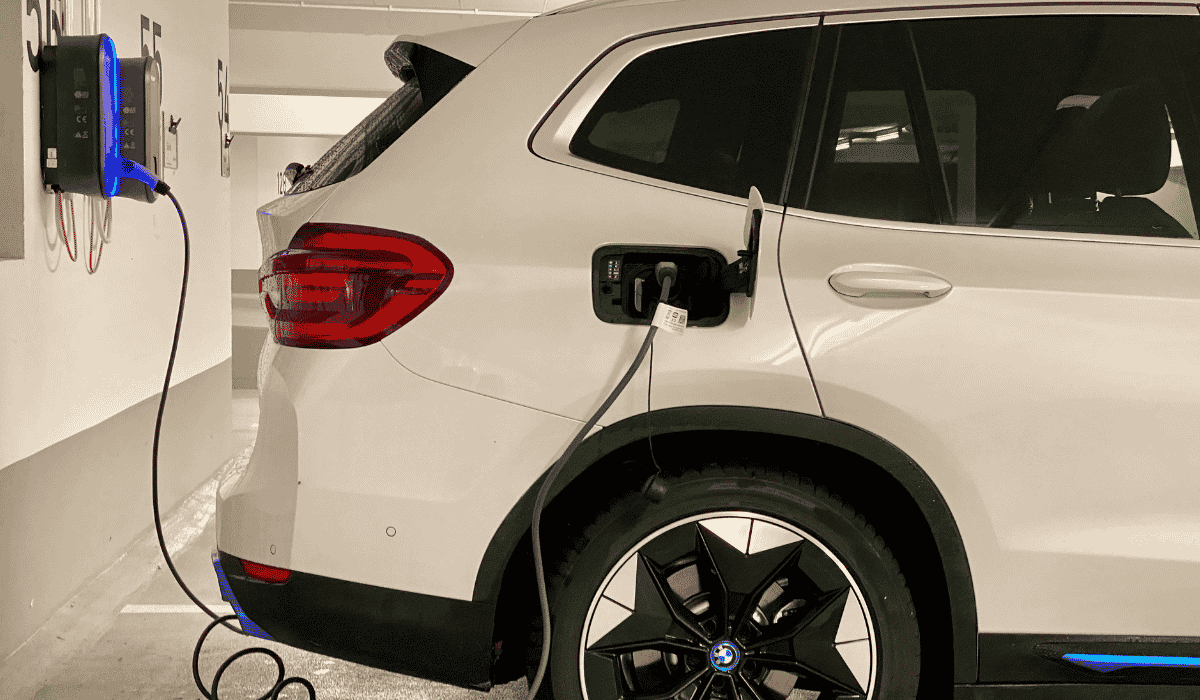
Fully electric cars are also becoming increasingly viable for more drivers, with improving range, expanding charging infrastructure, and lower running costs. They won't suit everyone yet, especially those without home charging or who regularly cover very long distances, but for many drivers, an EV is now a realistic alternative to both petrol and diesel. It's worth exploring all the options before committing.
Conclusion
The choice between petrol and diesel comes down to how you drive. If you mainly do short trips, city driving, and lower mileage, petrol is almost certainly the better fit - it's cheaper to buy, simpler to maintain, and better suited to stop-start conditions. If you cover high mileage, drive long distances regularly, or tow frequently, diesel still offers genuine advantages in fuel economy and pulling power.
Think honestly about your typical week behind the wheel, factor in the running costs beyond just fuel, and pick the engine type that matches your real driving habits rather than a general rule of thumb.