


.svg)


.jpg)

What Types of Car Scratches Are There?
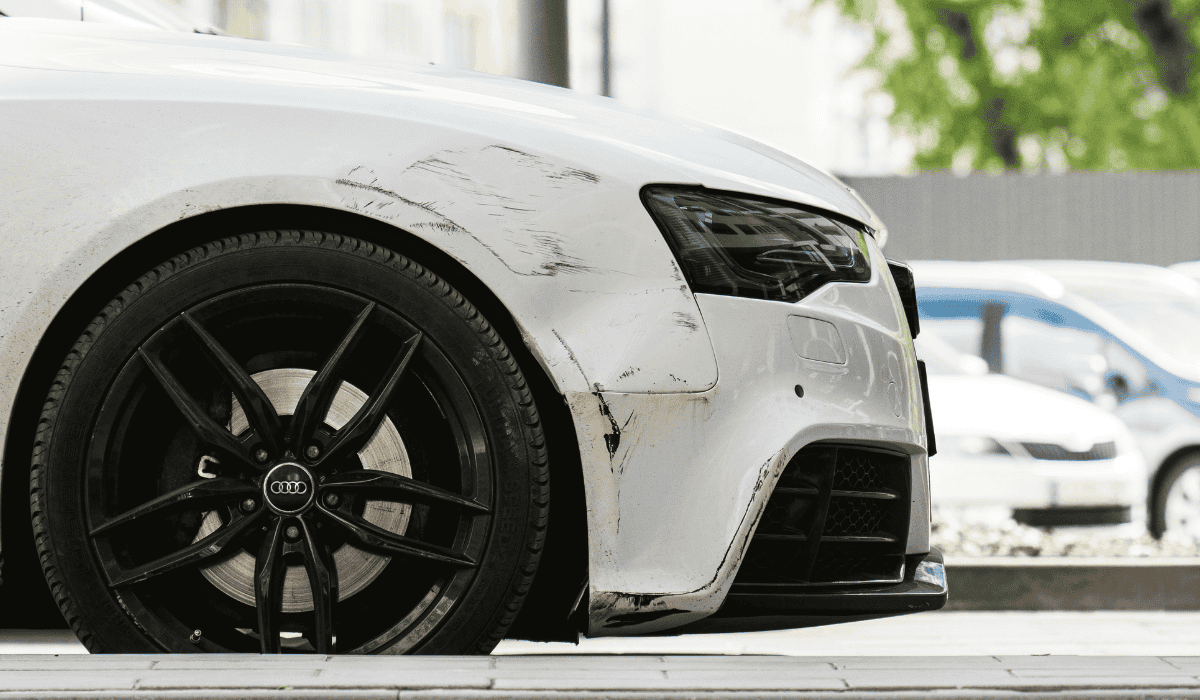
Not all car scratches are the same, and the type you're dealing with determines how easy it is to fix. Most car paintwork has three layers: the clear coat on top, the base colour coat underneath, and the primer beneath that. A scratch that only affects the clear coat is the easiest to deal with, while one that reaches the base coat or primer will need more work.
A quick way to test is to run your fingernail gently across the scratch. If your nail doesn't catch, it's likely a surface-level clear coat scratch. If it does catch, the scratch is deeper and has gone through to the colour or primer layer. Knowing this before you start saves you time and helps you pick the right approach.
Can You Remove Car Scratches at Home?
For light surface scratches, yes - you can often sort them out yourself with a few basic products. Clear coat scratches and minor scuffs respmd well to scratch removers, cutting compounds, or even some household methods. It's a straightforward job that doesn't require any specialist tools.
Deeper scratches that have gone through to the colour coat or exposed bare metal are harder to fix at home. You can improve the appearance with a touch-up paint pen, but getting a seamless finish on deeper damage usually requires professional attention. The key is being realistic about what a DIY fix can and can't achieve.
How to Remove Light Scratches with a Scratch Remover
Start by washing and drying the affected area thoroughly so there's no dirt or grit that could cause further damage. Apply a small amount of scratch remover or cutting compound to a clean microfibre cloth and work it into the scratch using firm, circular motions. Most products will need a few minutes of buffing to break down the edges of the scratch.
Once you've worked the product in, wipe away the residue with a fresh microfibre cloth and inspect the area. For light clear coat scratches, one or two rounds of this process is usually enough. After the scratch has been reduced or removed, applying a layer of wax or sealant will help protect the area going forward.
How to Fix Deeper Paint Scratches
If the scratch has gone past the clear coat and into the colour layer, a scratch remover alone won't be enough. In this case, a touch-up paint pen matched to your car's paint code is your best option for a DIY fix. You can find your paint code on a sticker inside the driver's door frame or in your vehicle handbook.
Clean the area first, apply the paint carefully into the scratch, and allow it to dry fully before adding a layer of clear coat over the top. It won't be invisible - touch-up paint is more about protection and reducing the appearance of the scratch than making it vanish completely. For a perfect finish on deeper damage, a body shop will get a much better result.
Does Toothpaste Really Work on Car Scratches?
You may have seen this tip online, and there is some truth to it (sometimes) , but it only works on very light surface scratches. Whitening toothpaste contains mild abrasives that can gently buff out minor clear coat marks in a similar way to a dedicated scratch remover, just less effectively.
Apply a small amount to a damp microfibre cloth, rub it over the scratch in circular motions, and wipe clean. If the scratch is anything more than surface-level, toothpaste won't make a noticeable difference. It's a reasonable trick in a pinch, but for anything beyond the lightest of marks, a proper scratch remover will give you much better results.
When Should You Go to a Professional?
If you can see bare metal or primer through the scratch, it's worth going to a professional sooner rather than later. Exposed metal is vulnerable to rust, especially in the UK where rain and road salt are a constant factor. The longer you leave it, the more likely the damage will spread beneath the surface.
Professional scratch repairs typically involve wet sanding, repainting the affected panel, and blending the colour to match. Costs vary depending on the severity and location of the damage, but a body shop or smart repair specialist can usually give you a quote quickly. For anything beyond light surface marks, it's often the most cost-effective option in the long run.
How to Prevent Car Scratches
The best way to deal with scratches is to avoid them in the first place. Parking away from other cars where possible, avoiding tight gaps, and being careful with bags and keys around the bodywork all make a difference. Bushes and hedges along narrow lanes are another common culprit, especially on country roads.
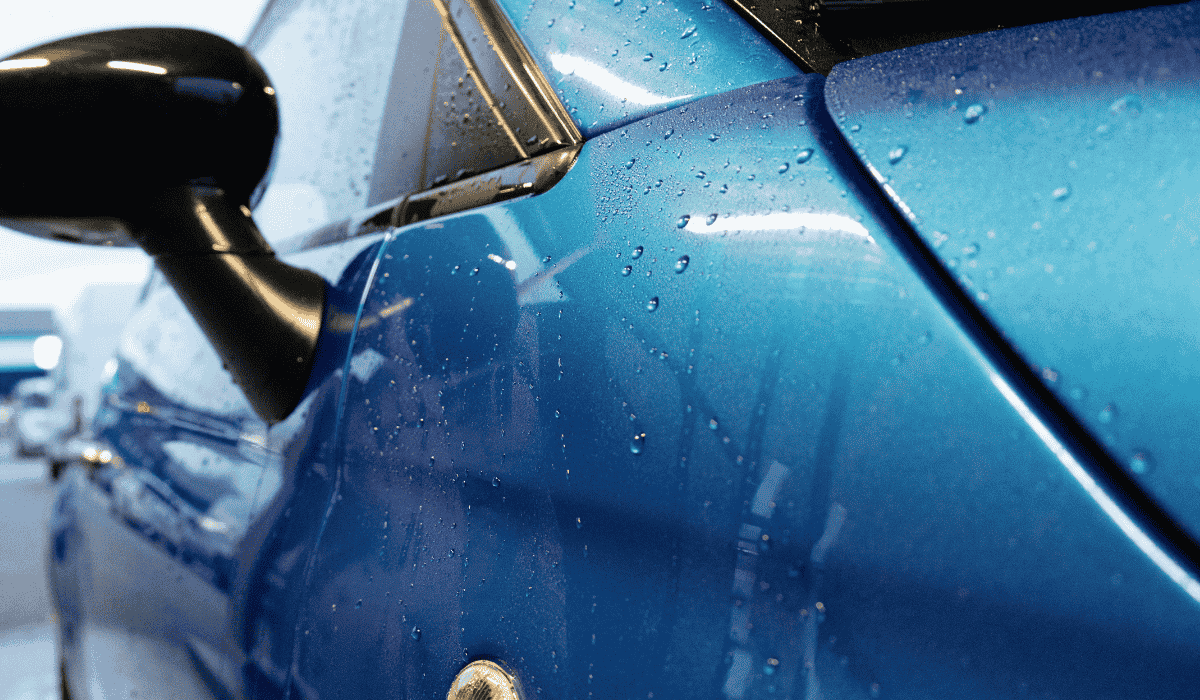
Regular washing with proper car shampoo and a microfibre mitt also helps protect the paintwork. Avoid automatic car washes with spinning brushes, as these are known to cause fine swirl marks over time. Adding a wax or ceramic coating once or twice a year gives the clear coat an extra layer of defence against everyday wear.
Conclusion
Most light scratches on your car can be dealt with at home using a scratch remover and a bit of patience. Deeper ones may need touch-up paint or a trip to a body shop, but either way, the sooner you address them, the better - especially if bare metal is exposed.
A few simple habits like careful parking and regular waxing go a long way towards keeping your paintwork in good shape.