

.svg)


.jpg)


Why Should You Negotiate the Price of a Car?
Almost every car price - whether at a dealership or in a private sale - has some room for negotiation. The asking price is exactly that: an asking price. Dealers build a margin into their pricing, and private sellers typically set their price slightly higher than what they'd actually accept. Negotiating isn't rude or awkward: it's expected, and most sellers are prepared for it.
Even a modest reduction can make a meaningful difference to your overall costs. Saving a few hundred pounds on the purchase price is money that could go towards insurance, road tax, or your first service. The key is to approach it with the right preparation and a reasonable attitude - you're not trying to trick anyone, you're just making sure you're paying a fair price.
Do Your Research Before You Visit
The strongest position you can negotiate from is one based on knowledge. Before you contact a seller or visit a dealership, check what similar cars are selling for online. Sites like Auto Trader, Motors.co.uk, and Gumtree will give you a clear picture of the going rate for the make, model, year, mileage, and specification you're looking at.
It's also worth checking the car's MOT history for free on GOV.UK. Previous advisories, failure points, and the date of the next test all give you useful information - and potential leverage. If the car needs new tyres, has an advisory on the brakes, or the MOT is due soon, those are legitimate reasons to negotiate a lower price. The more you know about the specific car and its market value, the more confident you'll feel when the conversation starts.
How to Negotiate with a Car Dealer
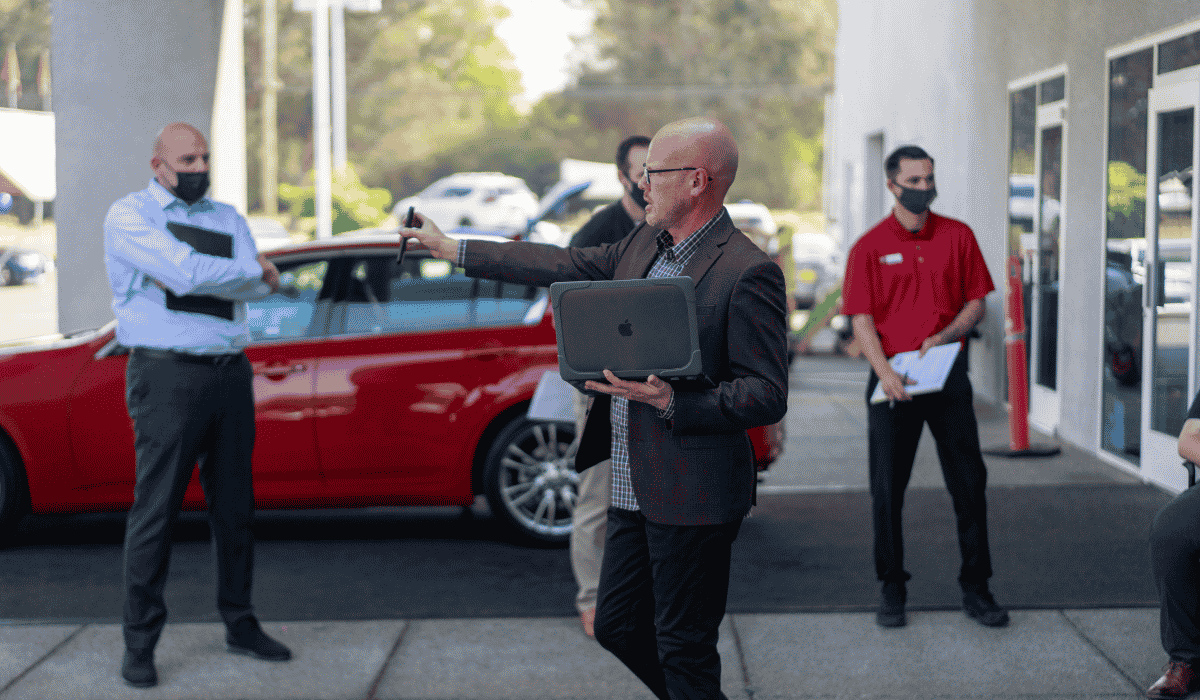
Dealers are experienced negotiators, so don't expect them to drop the price at the first ask. Start by being polite and straightforward - tell them you're interested in the car but that you've seen comparable models at lower prices elsewhere. Having specific examples to reference makes this much more effective than a vague request for a discount.
Don't reveal your maximum budget early in the conversation. If the dealer knows exactly what you can spend, they'll price accordingly. Instead, let them make the first move after you've raised the question of price. Be prepared to go back and forth, it's a normal part of the process. If they can't move on price, ask about other areas where they might offer value, such as a free service, a tank of fuel, or extended warranty. Dealers often have more flexibility on extras than on the final figure.
How to Negotiate with a Private Seller
Private sellers are generally less experienced at negotiating than dealers, which can work in your favour - but it also means the conversation needs to be handled with a bit more care. Most private sellers have an emotional attachment to their car and may take a lowball offer personally. Start with a reasonable offer rather than going in aggressively low, and explain your reasoning calmly.
Point to specific things that justify a lower price: mileage, condition, upcoming maintenance, or how the price compares to similar listings. If you've noticed cosmetic damage, worn tyres, or anything flagged on the MOT, mention it factually rather than critically. The goal is to reach a price that feels fair to both of you. If the seller won't budge at all, you need to decide whether the car is still worth it at the asking price or whether you're better off looking elsewhere.
What Else Can You Negotiate Besides Price?
If the seller won't move on the headline price, there's often room to negotiate on other things that still save you money. At a dealership, this could include a free first service, floor mats, a full tank of fuel, new tyres, or an extended warranty thrown in at no extra cost. These extras might seem small individually, but they add up.
With a private seller, you might negotiate for them to cover the cost of a fresh MOT, fix a known issue before the sale, or include accessories that would otherwise be removed. You can also ask whether the price includes any recent work - if they've just paid for a service or new brakes, that adds value to the deal and can justify the asking price. Negotiation isn't always about getting the number down, it's about getting the best overall deal.
Common Mistakes to Avoid When Negotiating
The biggest mistake is showing too much enthusiasm too early. If you walk onto a forecourt and immediately tell the salesperson that you love the car and it's exactly what you've been looking for, you've lost most of your negotiating power before the conversation has even started. Stay interested but measured; you can be enthusiastic after you've agreed on the price.
Another common error is not being prepared to walk away. If you've set a budget and the seller won't come down to meet it, don't let pressure or the fear of losing the car push you into overspending. There will always be another car. It's also worth avoiding negotiating over text or email where possible - a face-to-face or phone conversation gives you a much better read on how flexible the seller is likely to be.

When Should You Walk Away?
Walking away is sometimes the most powerful thing you can do in a negotiation. If the price isn't right and the seller won't budge, politely thank them and leave. In many cases - particularly at dealerships - you'll receive a follow-up call or message within a day or two with an improved offer. Sellers know that once a buyer walks out, they may not come back, and that can motivate a change of heart.
You should also walk away if something doesn't feel right about the sale itself. If the seller is evasive about the car's history, won't let you inspect it properly, or pressures you to make a quick decision, those are red flags. A good deal isn't just about the price, it's about confidence in what you're buying. Trust your instincts, and don't let the excitement of finding a car you like override your judgement.
Conclusion
Negotiating the price of a car doesn't require any special skills, it’s just a bit of preparation, a clear idea of what the car is worth, and the willingness to have an honest conversation. Whether you're buying from a dealer or a private seller, doing your homework beforehand puts you in a much stronger position.
Be polite, be informed, and don't be afraid to walk away if the deal doesn't feel right. A little patience and confidence can save you some money.