


.svg)


.jpg)


Do You Need a Car Seat by Law?
In the UK, children must use a child car seat until they are 12 years old or 135cm tall, whichever comes first. This is a legal requirement, and failing to use the correct seat can result in a fine of up to £500.
The law applies whether you're driving your own car, a rental, or travelling in someone else's vehicle. There are very limited exceptions, such as in taxis where a seat isn't available, but for everyday driving, a properly fitted car seat is non-negotiable.

What Are the Different Types of Baby Car Seats?
Baby car seats are generally grouped by the child's weight or height and fall into a few main categories. Group 0 and 0+ seats are rear-facing and designed for newborns up to around 13kg. Group 1 seats are for toddlers roughly 9–18kg, while Group 2/3 seats cover older children from around 15–36kg.
You'll also come across i-Size seats, which are classified by height rather than weight. These follow the newer UN R129 regulation and are designed to keep children rear-facing for longer, which is considered safer. Many modern car seats are multi-group, meaning they adjust and grow with your child across several stages.
How to Choose the Right Car Seat for Your Child's Age
For newborns, a rear-facing Group 0+ seat or an i-Size infant carrier is the safest choice. These are designed to support your baby's head and neck during travel, and many come with a base that clicks into the car so you can lift the seat in and out easily.
Once your child outgrows their infant seat, you'll move to a forward-facing or extended rear-facing seat depending on the model. From around four years old, most children transition into a highback booster seat, which uses the car's seatbelt to secure them. It's always best to go by your child's weight and height rather than age alone, as every child grows differently.
What Safety Features Should You Look For?
The first thing to check is that any car seat you're considering meets current UK safety standards. Look for either the UN R129 (i-Size) label or the older ECE R44 approval mark — both are legal in the UK, but i-Size is the more up-to-date standard and requires more rigorous side-impact testing.
Beyond certification, features like ISOFIX compatibility, side-impact protection, and an adjustable headrest are all worth prioritising. ISOFIX makes the seat much easier to install securely, and it reduces the risk of fitting errors. If you're unsure, organisations like Euro NCAP and Which? publish independent car seat safety ratings that are well worth checking before you buy.
Can You Use a Second-Hand Car Seat?
You can, but you need to be very careful. A second-hand car seat is only safe to use if you know its full history - specifically that it has never been in an accident, has no missing parts, and still has its original labels showing the approval standard and manufacture date.
Car seats also have an expiry date, typically around six to ten years from manufacture, because the materials can degrade over time. If there's any doubt about the seat's history, it's safer to buy new. A compromised seat may look fine but could fail to protect your child in a crash.
How to Fit a Baby Car Seat Properly
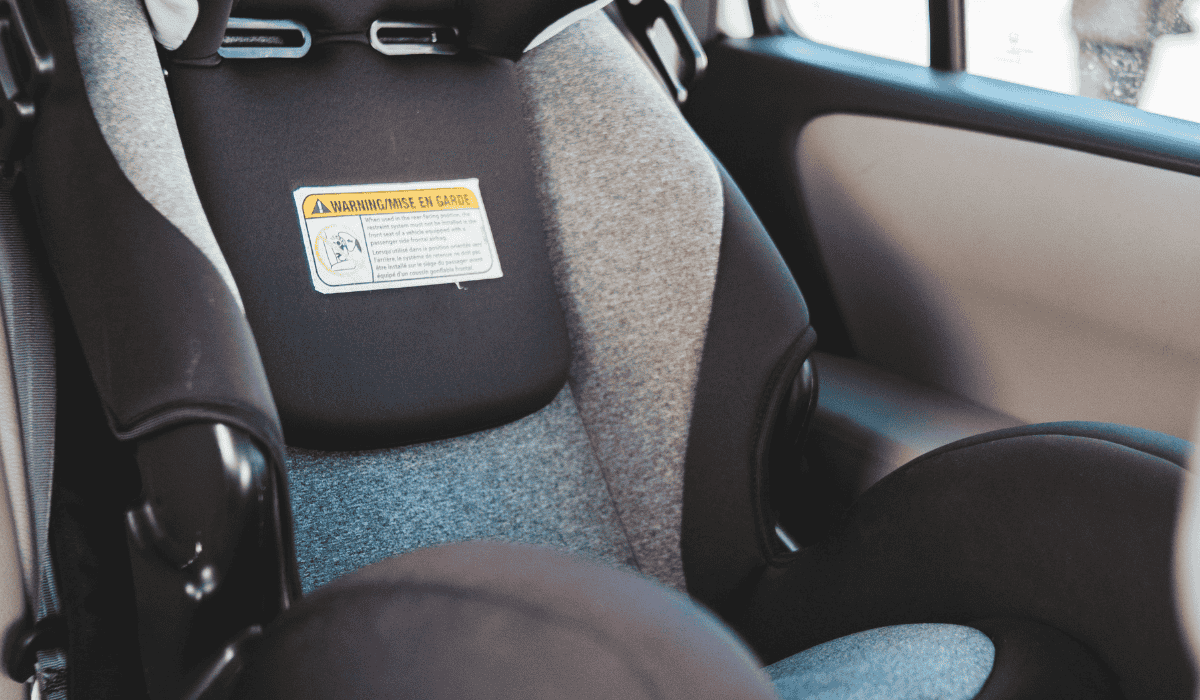
Even the safest car seat won't do its job properly if it's not fitted correctly. If you're using an ISOFIX seat, make sure both connectors click firmly into the anchor points and that the seat doesn't move more than a couple of centimetres when pushed side to side. For belt-fitted seats, the seatbelt should be pulled tight through the correct guides with no slack.
It's worth checking that the seat is compatible with your specific car before buying, as not all seats fit all vehicles. Most manufacturers list compatible vehicles on their websites, and many retailers offer in-store fitting checks. Taking a few extra minutes to get the installation right makes a genuine difference to your child's safety.
Conclusion
Choosing the right car seat comes down to your child's size, the type of car you drive, and making sure whatever you pick meets current UK safety standards. It doesn't need to be the most expensive option - it just needs to fit properly and be appropriate for your child's weight and height.
Taking the time to get this right is one of the simplest ways to keep your little one safe on the road.