


.svg)


.jpg)

Good eyesight is essential for safe driving, yet many drivers are unsure whether their vision meets legal requirements. Blurred distance vision, difficulty reading road signs, or struggling with night driving can all affect your ability to drive safely.
This guide explains how to check if your eyesight is fit for driving in the UK, what the legal eyesight requirements are, and when you should consider getting a professional eye test. Understanding these rules helps protect both you and other road users.

What Are the UK Eyesight Requirements for Driving?
In the UK, drivers must be able to read a number plate from 20 metres away (with glasses or contact lenses if needed). This is the minimum legal eyesight standard set by the Driver and Vehicle Licensing Agency (DVLA).
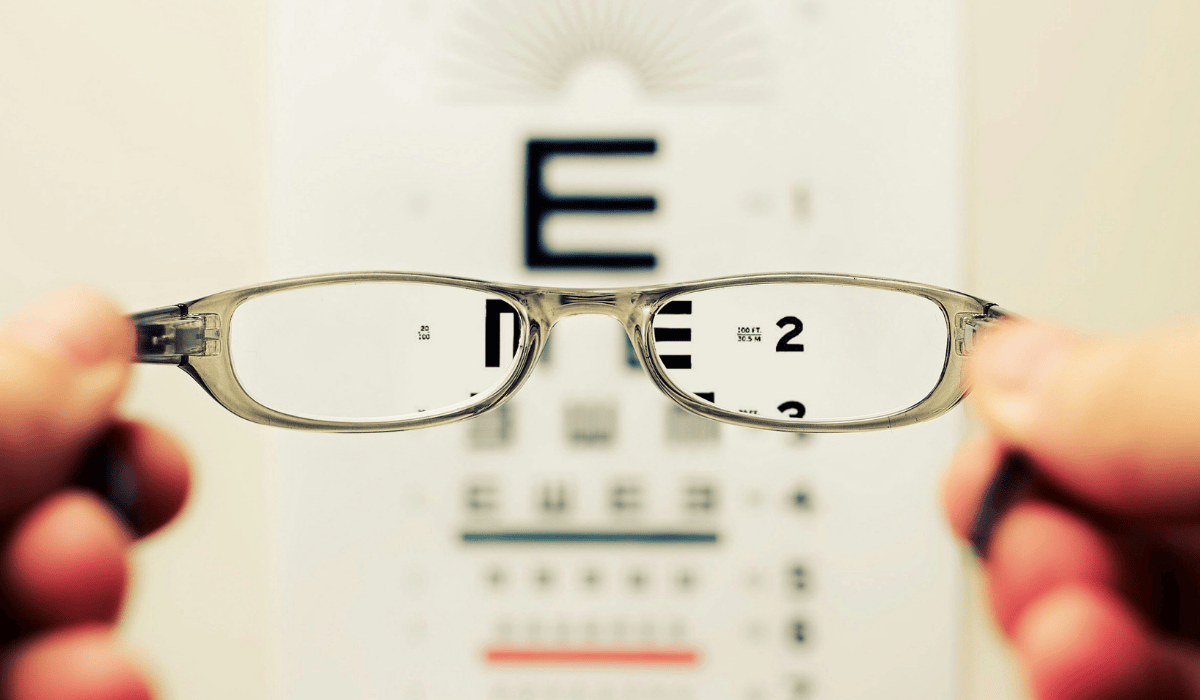
You must also meet a visual acuity standard equivalent to at least 0.5 (6/12) on the Snellen scale. If you need corrective lenses to meet this requirement, you must wear them while driving.
See more on the DVLA's website here: https://www.gov.uk/driving-eyesight-rules
How to Do a Simple Eyesight Check at Home
A simple way to check your eyesight at home is to stand 20 metres away from a vehicle and see if you can clearly read its number plate. If you struggle to read it comfortably, this may indicate your vision needs attention.
While this basic test helps you understand whether you meet the legal minimum, it doesn’t assess overall eye health. It’s only a quick check, not a replacement for a professional examination.
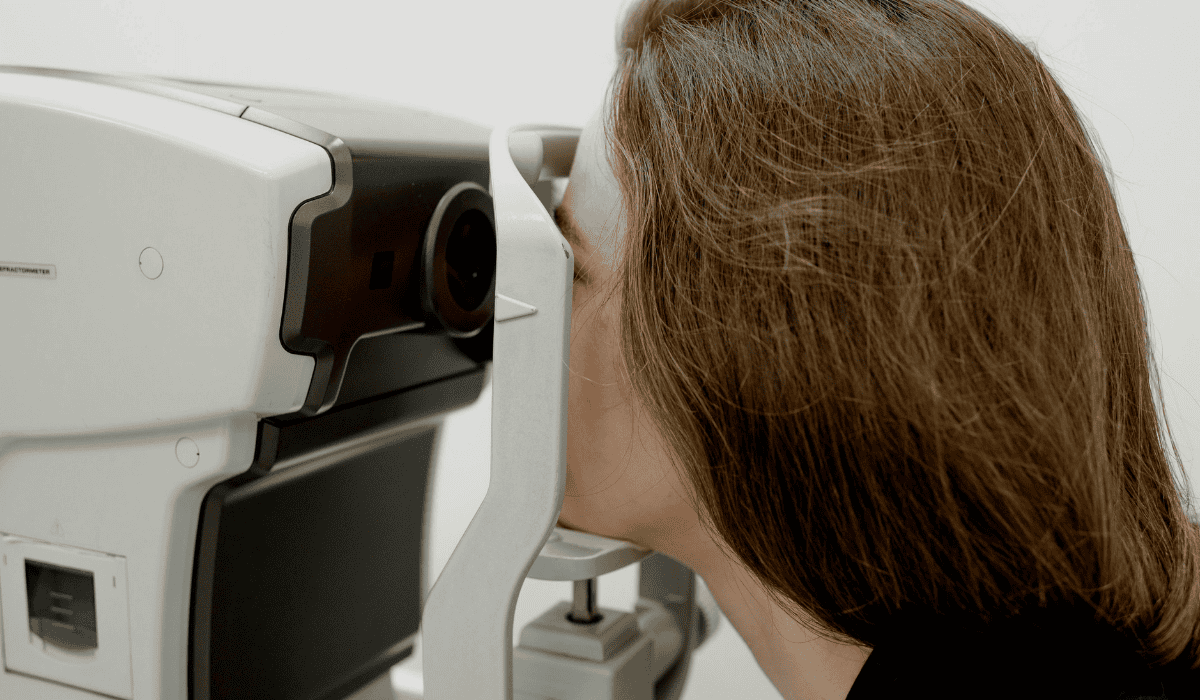
When Should You Get a Professional Eye Test?
You should consider an eye test if you notice symptoms such as blurred vision, headaches while driving, difficulty judging distances, or problems seeing clearly at night. Even small changes in vision can impact reaction times and hazard awareness.
The NHS recommends regular eye tests every two years for most adults, though some people may need them more frequently. Professional eye tests check not only clarity of vision but also underlying eye health.
What Happens If Your Eyesight Doesn’t Meet the Standard?
If you cannot meet the legal eyesight requirement, you must not drive until your vision is corrected. Continuing to drive without meeting the required standard can result in fines, penalty points, or prosecution.
In some cases, you may also need to inform the DVLA about certain eye conditions. Failing to report a medical condition that affects driving could invalidate your insurance and lead to further penalties.

Why Regular Eye Tests Matter for Drivers
Regular eye tests help detect gradual changes that drivers may not notice day to day. Because vision often declines slowly, drivers may adjust unconsciously without realising their eyesight no longer meets safe standards.
Maintaining good eyesight reduces the risk of accidents and helps you respond quickly to hazards. Clear vision is one of the simplest yet most important factors in safe driving.
Conclusion
Knowing how to check if your eyesight is fit for driving helps you stay compliant with UK law and maintain road safety. A quick number plate check can confirm whether you meet the minimum requirement, but regular professional eye tests provide greater reassurance.
Taking care of your vision is part of responsible driving. Clear eyesight not only protects you legally but also supports safer journeys for everyone on the road.