

.svg)


.jpg)

When most people choose a car, colour is one of the first things they think about. But beyond personal preference, the shade you pick can have a real impact on how much your car is worth when you come to sell it. Some colours hold their value well, while others can knock hundreds - or even thousands - off your resale price.
In this guide, we look at how car colour affects resale value in the UK, which shades tend to sell fastest, and which ones could leave you out of pocket when it is really time to move on.

Why Does Car Colour Matter for Resale Value?
Resale value is driven by demand. The more buyers who want a particular car, the higher the price it can hold. Colour plays into this because certain shades appeal to a wider pool of buyers, while others are considered niche or harder to match with personal taste. A car in a popular, neutral colour will typically attract more interest on the used market than one in an unusual or bold shade.
Dealers also factor in colour when valuing trade-ins. Cars in colours that are harder to shift may be offered less at part-exchange, simply because the dealer knows they will sit on the forecourt for longer. It is not the only factor in depreciation — mileage, condition, service history, and specification all matter: but colour can tip the balance, especially when two similar cars are compared side by side.
The Most Popular Car Colours in the UK
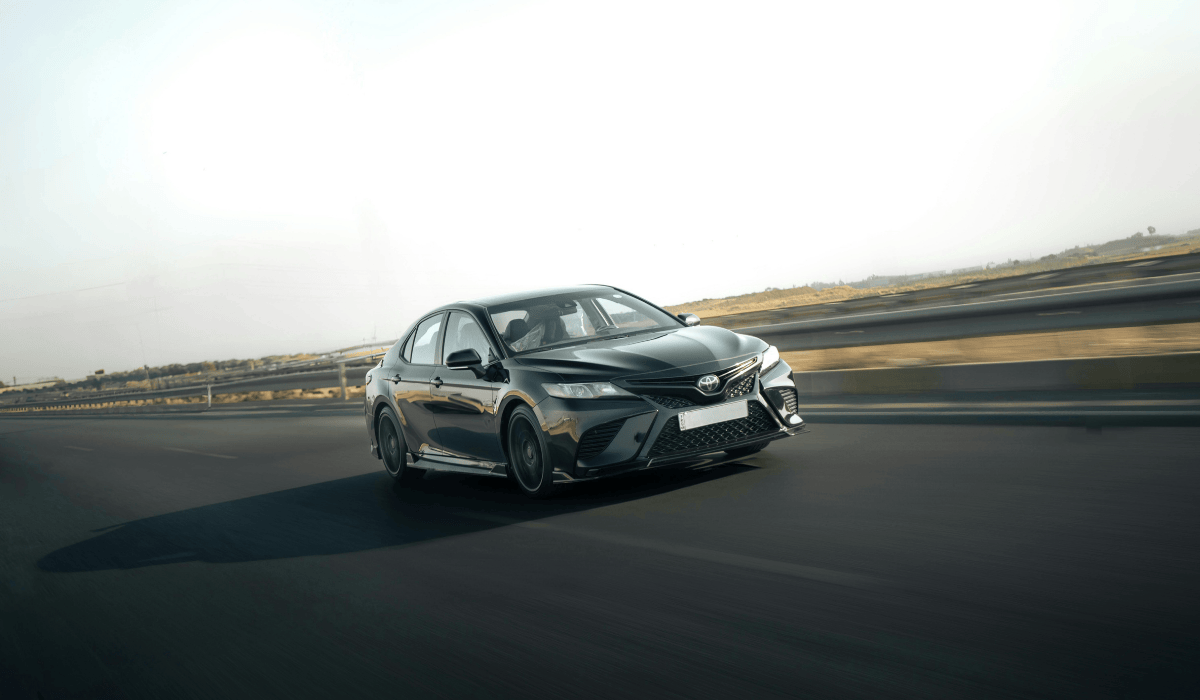
According to SMMT registration data, grey has been the UK's most popular new car colour for eight consecutive years. In 2025, grey accounted for over 558,000 new registrations - roughly 27.6% of all new cars on UK roads. Black came in second with around 464,000 registrations, followed by blue in third place with just over 306,000.
Together, these three colours made up nearly two thirds of all new cars registered in the UK in 2025. White held fourth place, while silver returned to the top five for the first time in almost a decade. Red, once one of Britain's most iconic car colours, slipped to sixth with its lowest market share since detailed records began. Green, on the other hand, saw a notable rise - up 46% year on year - likely driven by the growing popularity of electric vehicles, many of which are offered in green-toned finishes.
Which Car Colours Hold Their Value Best?
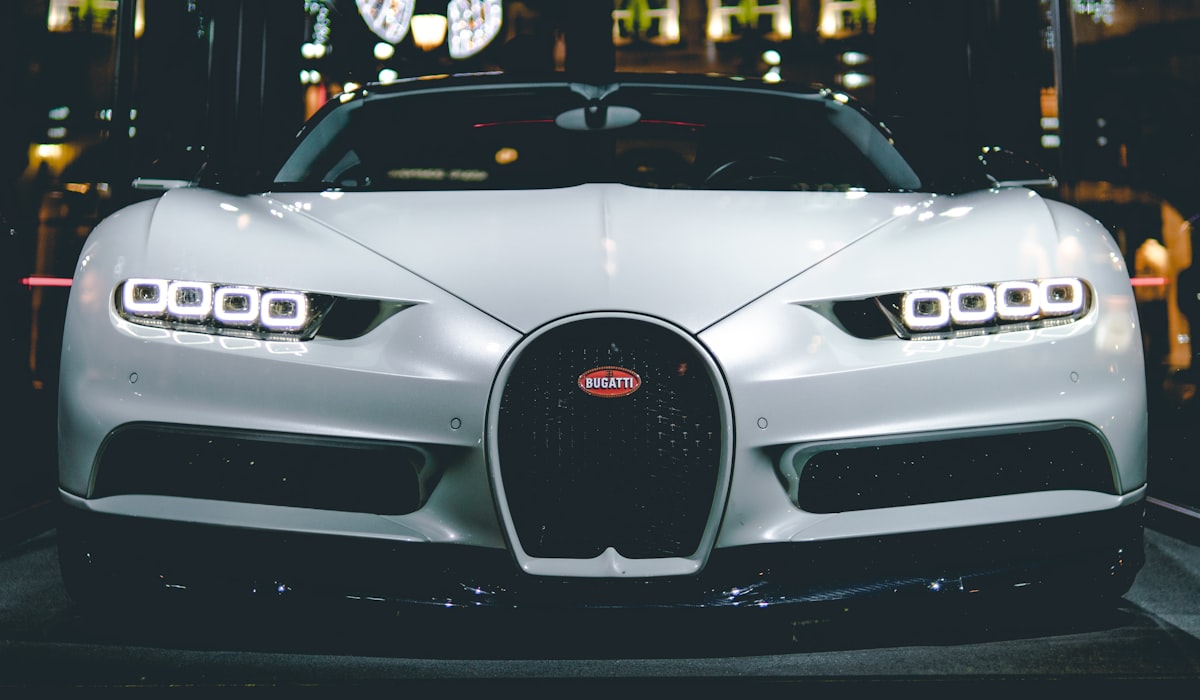
Neutral colours tend to hold their value the strongest. Grey, white, black, and silver consistently perform well in terms of resale because they appeal to the broadest range of buyers. White cars in particular have been shown to depreciate more slowly, with some studies suggesting an average three-year depreciation rate of around 15%, lower than the average across all colours.
Blue also performs reasonably well, especially darker shades like navy or metallic blue. These sit in the middle ground between neutral and bold - distinctive enough to stand out, but safe enough to appeal to most tastes. If you are buying with resale in mind and want something other than grey or black, a dark blue is generally a solid choice.
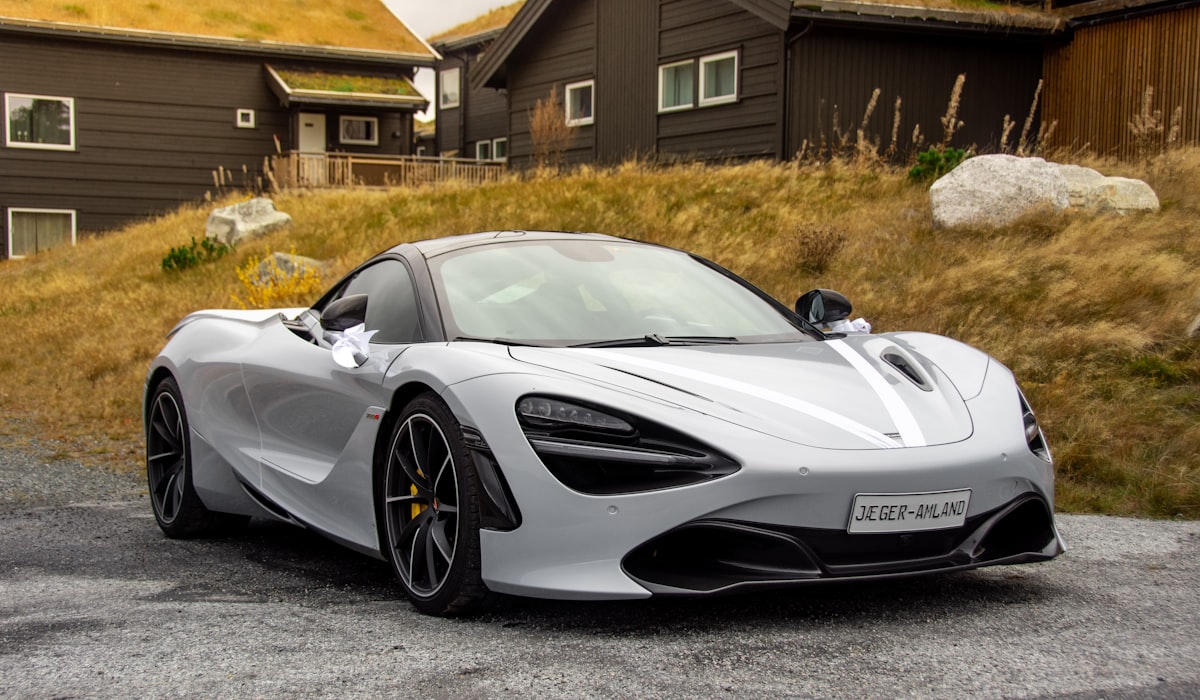
It is worth noting that some premium and sports cars can buck the trend. A bright yellow Porsche or a racing green Land Rover may actually command a premium because those colours are seen as iconic for those models. But for mainstream cars, neutral almost always wins.
Which Car Colours Lose Value the Fastest?
The colours that tend to depreciate the most are those with limited buyer appeal. Green, maroon, and turquoise have historically been among the highest-depreciating shades in the UK. Purple is another colour that tends to drag down resale value, simply because so few buyers actively seek it out.
Bright or unusual colours like orange, lime green, or gold can also be harder to sell. While they might look striking on the road, they narrow your pool of potential buyers significantly when it comes time to sell. A buyer who loves orange is rare, a buyer who is happy with grey is everywhere.
That said, there is an interesting longer-term pattern. Some data suggests that over a ten-year period, bold colours like green and orange can actually retain value slightly better than average, possibly because they become rarer and more distinctive as they age. But in the short to medium term, which is when most people sell or trade in, neutral colours are the safer bet.
Does Metallic Paint Make a Difference?
Metallic or pearlescent paint finishes can add to a car's appeal and resale value. Most new cars today are ordered with metallic paint as standard or as a relatively affordable upgrade, so buyers on the used market tend to expect it. A car in solid (non-metallic) paint can sometimes feel less premium and may be slightly harder to sell.
However, the difference is usually modest. A metallic grey car may sell a little faster than a solid grey one, but the colour itself matters more than the finish. If you are choosing between a solid white and a metallic white, the metallic is worth the small extra cost for resale, but it is unlikely to be a dealbreaker for most buyers.
Tips for Choosing a Car Colour with Resale in Mind
If holding value is important to you, sticking with grey, black, white, or silver is the safest approach. These colours consistently top the UK sales charts and attract the widest buyer pool on the used market. Blue is also a strong option, particularly in darker metallic shades.
If you prefer something bolder, it is worth considering how long you plan to keep the car. If you are likely to sell or trade in within three to five years, a neutral colour will almost certainly serve you better financially. If you plan to keep it for much longer - or you simply love a particular colour - the resale difference may not matter as much to you personally.
It is also worth checking what colours are available for the specific model you are looking at. Some manufacturers offer signature colours that hold value well for that brand: think British Racing Green on a Mini, or Nardo Grey on an Audi. In those cases, a distinctive colour can actually be a selling point rather than a drawback.
Conclusion
Car colour does affect resale value in the UK, and the difference can be meaningful. Neutral shades like grey, black, white, and silver consistently hold their value best because they appeal to the most buyers. Bolder colours like green, purple, and maroon tend to depreciate faster, though there are exceptions depending on the model and how long you keep the car.
Ultimately, the best colour is one you are happy to drive every day. But if resale value is a priority, choosing a popular shade is one of the simplest ways to protect your investment - and it costs nothing extra to do so.
.png)