


.svg)


.jpg)

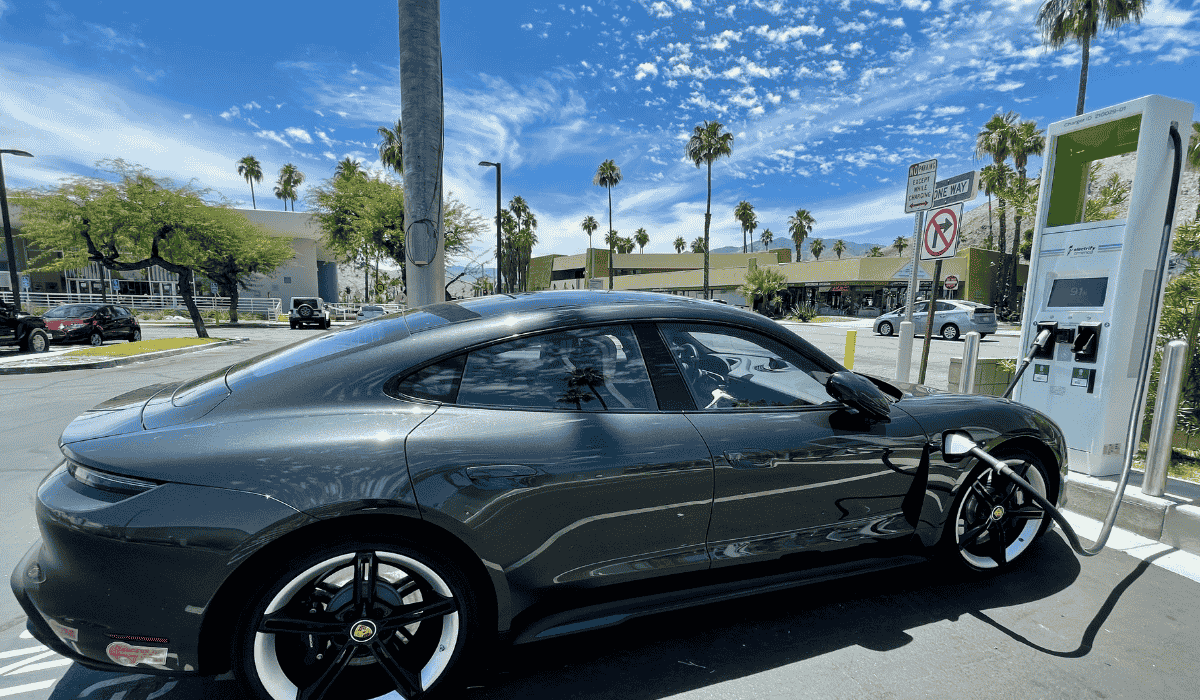
Yes, all modern electric cars are designed to stop drawing power once the battery reaches its target charge level. The car's battery management system (BMS) monitors the state of charge continuously and automatically cuts off the flow of electricity when the battery is full. You don't need to stand by and unplug it at the exact right moment.
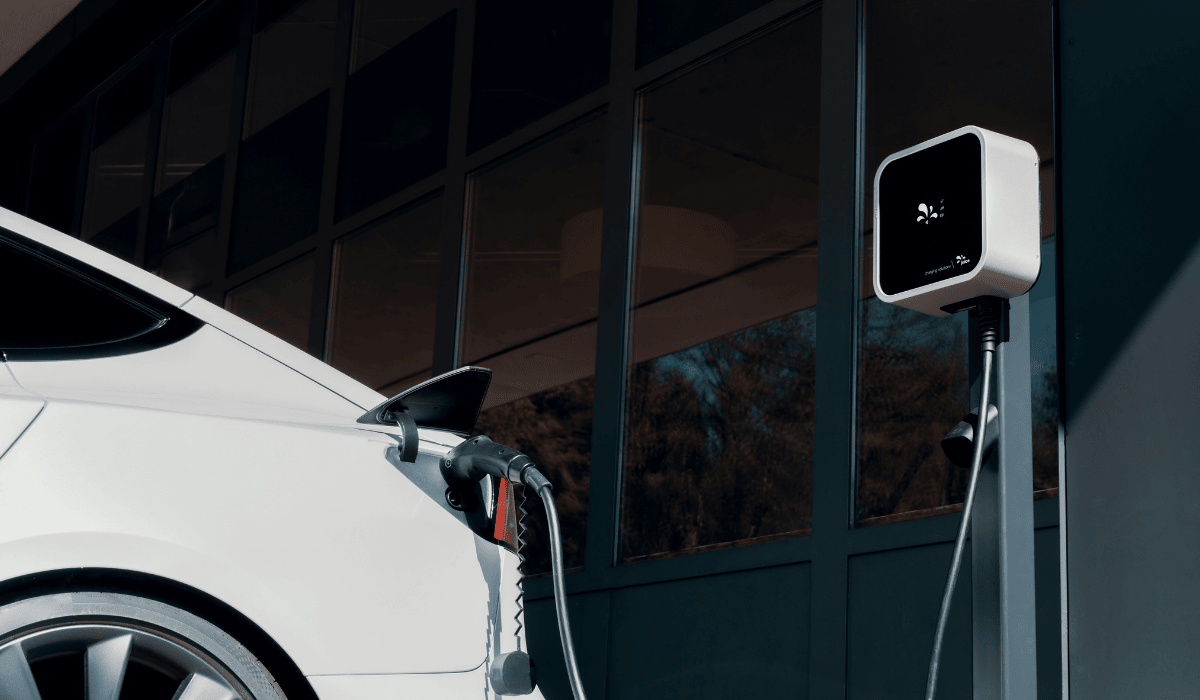
This works the same way whether you're charging at home on a wallbox, using a public charger, or plugged into a rapid charger at a motorway service station. The car manages the process for you. Once the battery hits the set limit, charging stops and the car simply sits there connected without drawing further energy.
Can You Overcharge an Electric Car?
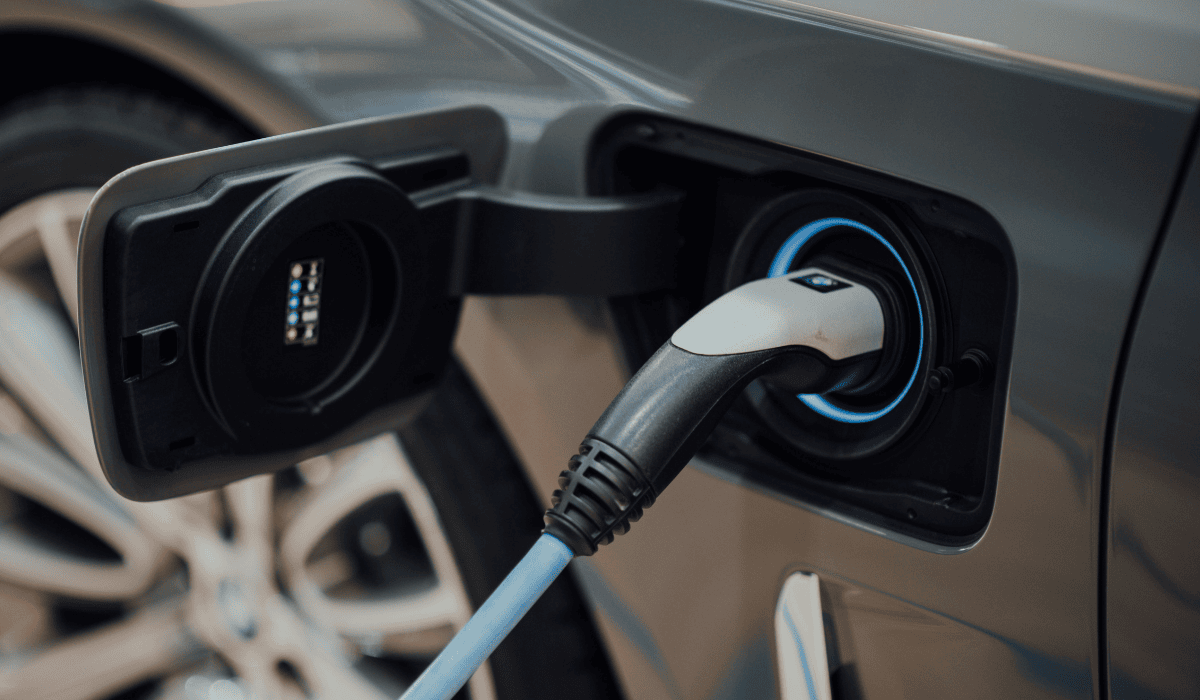
In practical terms, no. The battery management system in every modern EV is specifically designed to prevent overcharging. It regulates voltage, temperature, and current throughout the entire charging process and will not allow the battery to accept more energy than it can safely hold.
This is a common concern for people new to electric cars, and it's understandable, we've all had the experience of a phone battery degrading over time. But EV batteries are far more sophisticated than phone batteries, with dedicated cooling systems and management software that protect the cells. Overcharging in the way most people imagine it simply isn't possible with a properly functioning vehicle.
What Happens If You Leave an EV Plugged In Overnight?
Nothing harmful. Leaving your electric car plugged in overnight is perfectly safe and is actually how most EV owners charge. Home charging is typically done on an off-peak electricity tariff overnight, which makes it the cheapest and most convenient way to keep your car topped up.
The car will charge until it reaches the set limit, whether that's 80%, 90%, or 100% depending on your settings, and then stop. Some vehicles will use a small amount of power to maintain the battery at optimal temperature in very cold or hot conditions, but this is minimal and part of normal operation. There's no risk of overcharging or damaging the battery by leaving it connected.
Does Keeping Your EV Plugged In Damage the Battery?
Not in itself. Leaving your EV plugged in won't cause damage, but how you charge and to what level can affect the battery's long-term health. Most manufacturers recommend keeping the daily charge level between 20% and 80% for regular use, as consistently charging to 100% or letting the battery drop very low can accelerate degradation over time.
This doesn't mean charging to 100% once in a while is a problem, if you've got a long journey ahead, topping up fully makes complete sense. It's the habit of doing it every single day that can have a gradual effect. Think of it like any rechargeable battery: moderate, consistent use in the middle of the range tends to preserve its lifespan best.

Should You Charge to 100% Every Time?
For most daily driving, no, and most manufacturers suggest you don't need to. Setting your charge limit to around 80% for everyday use is widely recommended as the best balance between range and battery longevity. Most EVs let you set this limit directly through the car's infotainment system or a companion app on your phone.
The reason is that lithium-ion batteries experience slightly more stress when held at very high or very low charge levels for extended periods. Charging to 80% for your commute and regular errands gives you plenty of range while keeping the battery in its comfort zone. Save the full 100% charge for longer trips where you'll actually need the extra miles.
How to Get the Most Out of Your EV Battery
A few simple habits can help your EV battery last longer. As mentioned, keeping your daily charge between 20% and 80% is the most impactful thing you can do. Avoiding frequent use of rapid chargers also helps, while they're convenient for long journeys, the high charging speeds generate more heat, which can affect battery health over time if used as your primary method.
Parking in the shade during hot weather and in a garage during cold weather can also make a small difference, as extreme temperatures are harder on the battery. Most modern EVs have built-in thermal management systems to handle this, but reducing the strain where you can doesn't hurt. Beyond that, just follow the manufacturer's guidance on servicing and software updates, they often include improvements to how the battery is managed.
Conclusion
The short answer is yes, electric cars do stop charging when the battery is full, and you don't need to worry about overcharging. Modern EVs are built with sophisticated battery management systems that handle the entire process automatically.
For the best long-term battery health, sticking to an 80% daily charge limit and saving full charges for longer trips is the simplest advice to follow. Beyond that, EV charging is designed to be straightforward, plug in, walk away, and let the car take care of the rest.
.png)